
Last updated November 15, 2026
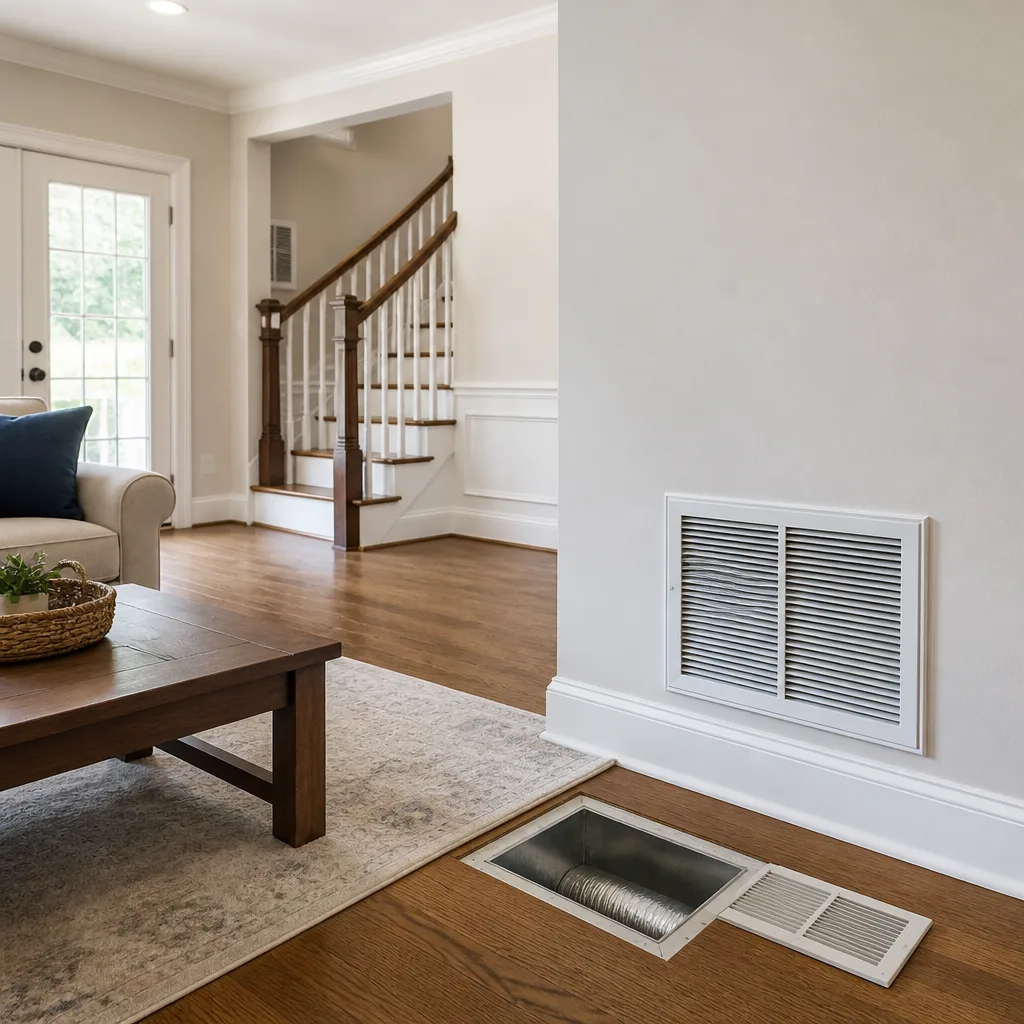 Whole-home duct cleaning
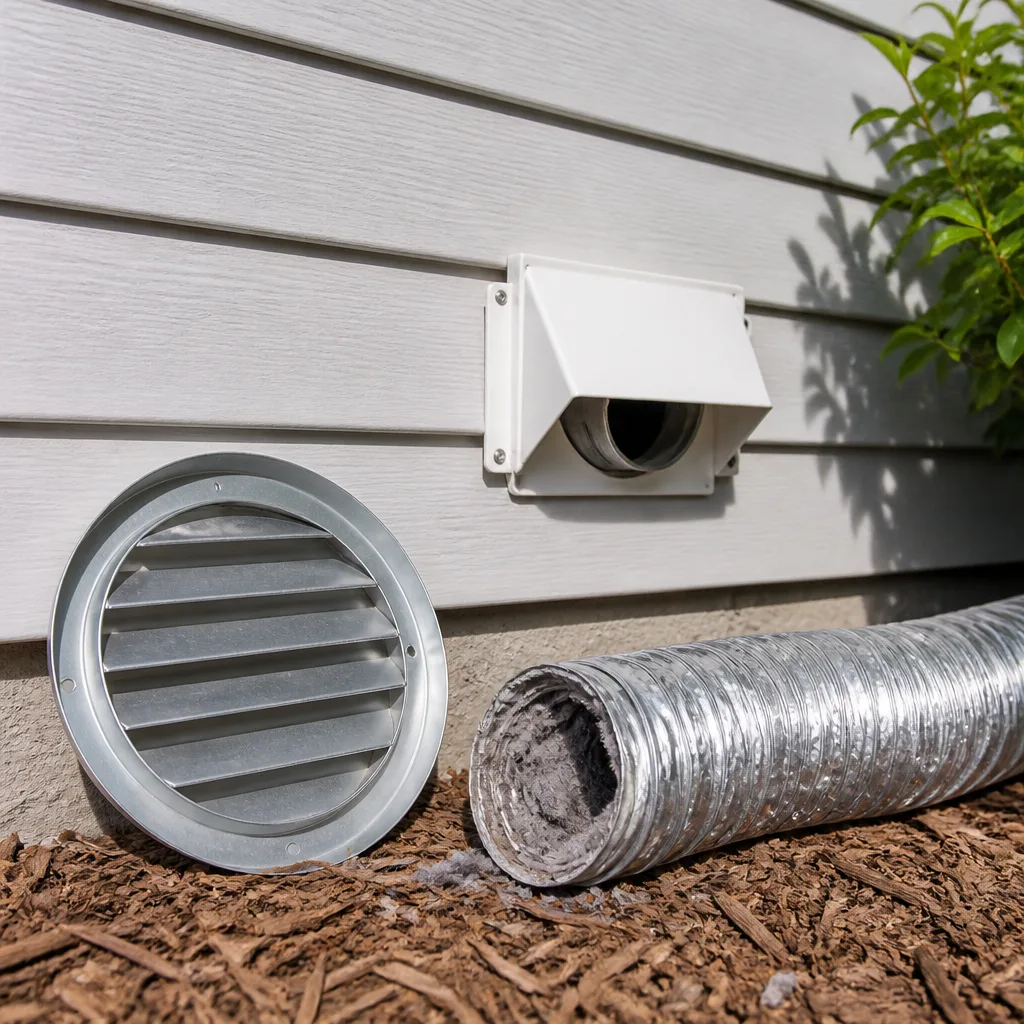 Dryer vent cleaning
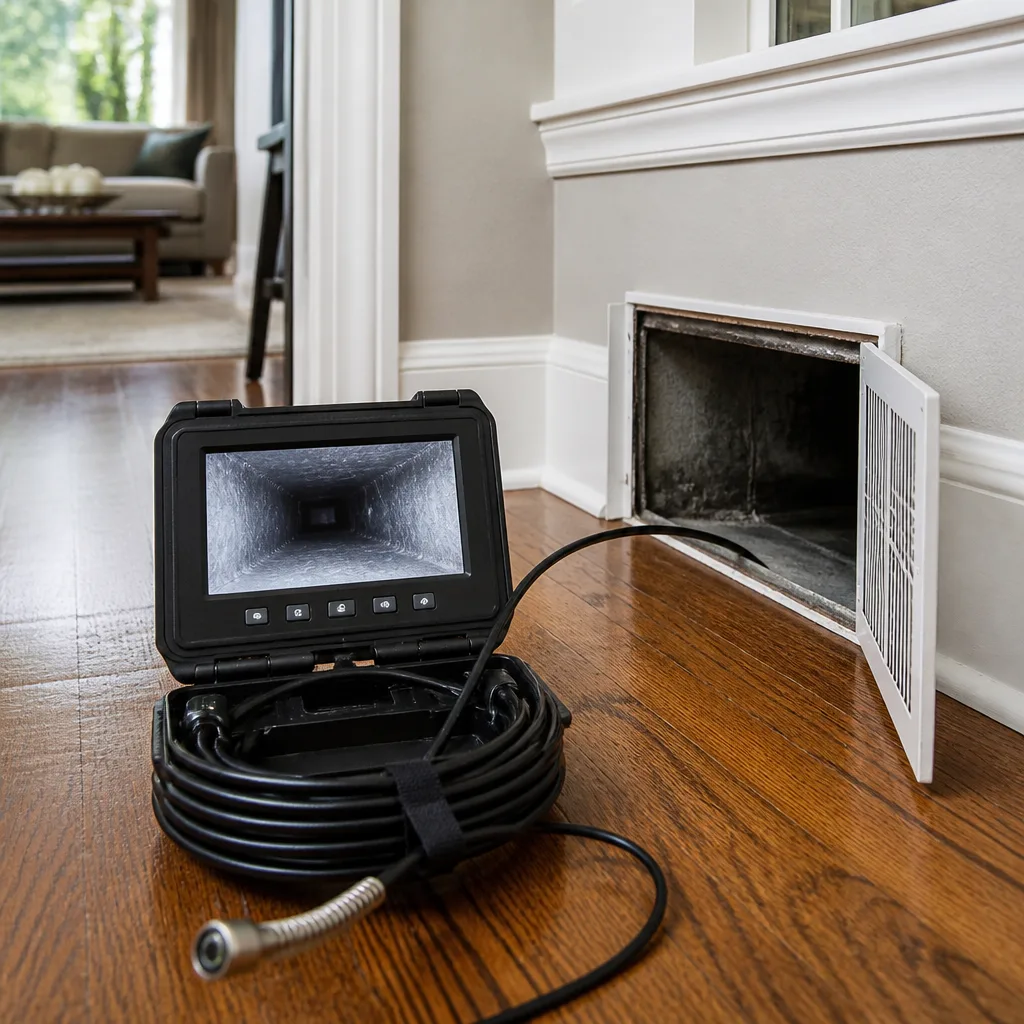 Camera inspection
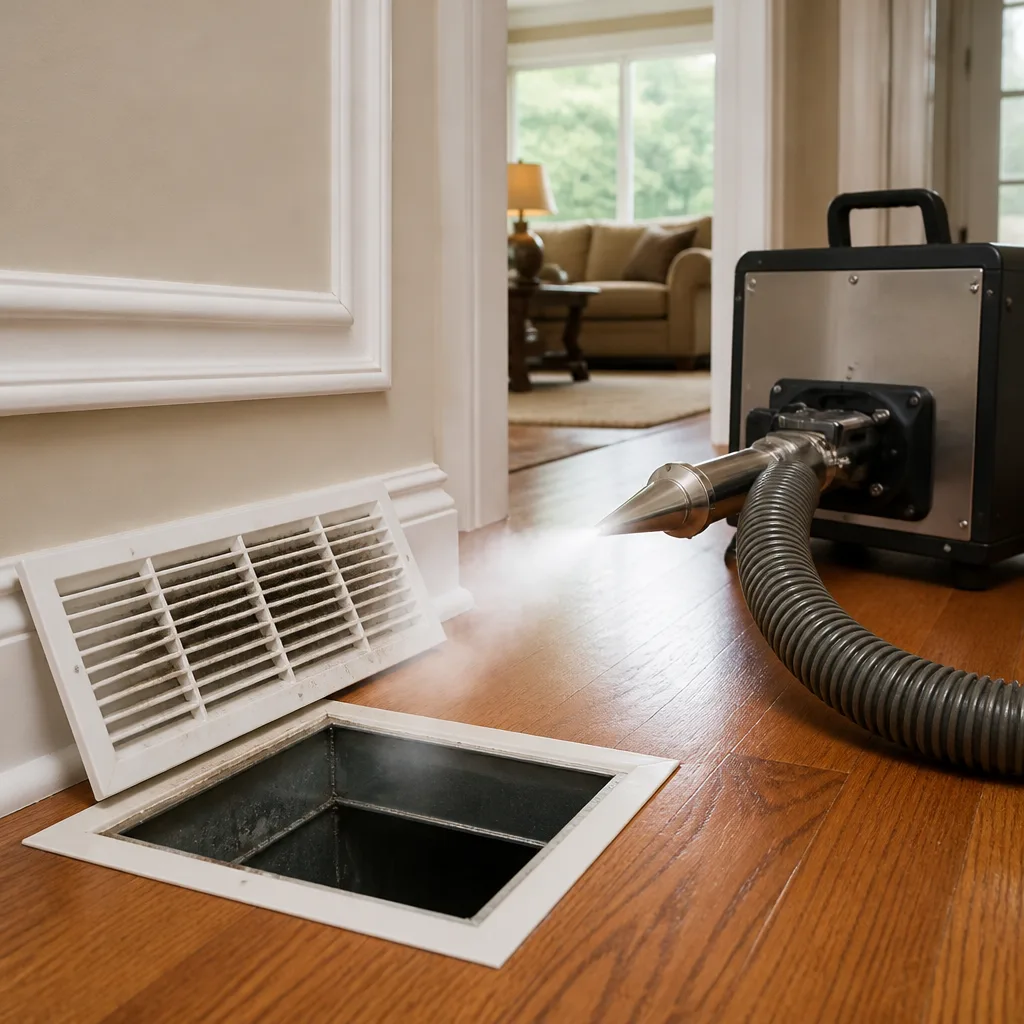 Sanitizing & deodorizing
Whole-system duct and dryer vent check with before-and-after photos - you see exactly what came out of your vents
That "$99 whole-house special" is a bait ad - the real number appears once they are in your hallway, or the "clean" is a shop-vac at the register. We photograph the inside of your ducts before and after instead.
Air Duct Cleaning Permits, Codes & Inspections in Tracy, CA: What You Need to Know
Here’s the part most duct cleaning invoices leave out: cleaning your ducts generally needs no permit in California, but the moment a technician cuts into a duct run, swaps out a flex section, or seals joints with mastic, the job can cross a line into licensed contractor territory under California’s Business and Professions Code. That distinction matters in Tracy, where a lot of housing stock has ductwork old enough to need real repair, not just a vacuum pass. Homeowners who don’t know where the boundary sits can end up with unpermitted work that complicates insurance and resale. This guide draws that line: what’s a service, what’s construction, who inspects it, and how to protect yourself.
Quick Answer
Quick Answer: Routine air duct cleaning in Tracy, California does not require a building permit, and no state code mandates that you clean your ducts on any schedule. Permits and licensed-contractor requirements come into play when ductwork is modified or replaced – cutting in new runs, replacing flex duct sections, or making structural repairs – which typically falls under a C-20 HVAC contractor license and may require a permit through San Joaquin County. Duct sealing done as energy work also touches Title 24 compliance and should be documented. Know which category your job falls into before work starts.
Styles & brands we work with
- Whole-home duct cleaning
- Dryer vent cleaning
- Camera inspection
- Sanitizing & deodorizing
Table of Contents
- Does air duct cleaning require a permit in Tracy, CA?
- When does duct work require a C-20 licensed contractor?
- Who has jurisdiction over duct modifications in Tracy?
- Title 24 and duct sealing: why documentation matters
- How to verify a contractor’s CSLB license and insurance
- What to do if previous duct work was unpermitted
- What an inspection of ductwork actually covers
- Common mistakes to avoid
Does air duct cleaning require a permit in Tracy, CA?
No. Cleaning the inside of your existing duct system is a maintenance service, not construction, and it does not require a building permit from the City of Tracy or San Joaquin County. There is no California code that says you must clean ducts on a schedule, no mandated interval, and no inspection sign-off tied to a routine cleaning. A technician who arrives with contact-brush and negative-pressure equipment – the kind we run on every job, from Rotobrush to Nikro HEPA units – is performing a service, not a permitted alteration.
That’s the clean part. What surprises homeowners is how narrow the definition of “routine cleaning” really is. Cleaning means removing debris from ducts that stay exactly where they are. Once the work involves changing the system, you’ve left service territory and entered construction territory. The line moves fast.
Consider what sits inside the typical Tracy attic and crawlspace. Duct runs here span from the newer subdivisions off Corral Hollow to older single-story homes near downtown, and many of those systems are flex duct in some stage of sagging, tearing, or rodent intrusion. When a technician finds a compromised section, the honest answer isn’t “we’ll just vacuum around it.” It’s “this needs repair.” And repair is where permits and licensing come in.
So the practical rule for a Tracy homeowner: cleaning is not permitted work; repair, replacement, and modification usually are. The service invoice should make clear which one you’re paying for. If a company can’t tell you the difference, that’s your first warning sign.
When does duct work require a C-20 licensed contractor?
California’s Contractors State License Board issues a C-20 Warm-Air Heating, Ventilating and Air-Conditioning Contractor license. Holding it authorizes a contractor to install, modify, and repair HVAC systems – including the ductwork. The question for duct work is whether a given task counts as “modification” or as maintenance service.
This is where a lot of confusion lives. The Contractors State License Board treats any project over a certain dollar threshold (and any project that requires a permit) as work only a licensed contractor can legally perform. Small repair and maintenance jobs are generally exempt. The gray zone is real, and a fly-by-night operator will use it. Here’s how we’d draw the line:
- Licensing not typically required: pulling debris out of an intact trunk and branch system; cleaning the register boots; cleaning a dryer vent. These are maintenance.
- Licensing required: replacing a run of flex duct; cutting a new takeoff into the trunk; extending or rerouting ductwork; replacing a plenum; installing a new return. These change the system.
- Licensing plus likely permit: structural modifications to ductwork that affect the building envelope, or work that will be inspected as part of a larger HVAC project.
Air duct repair drops you squarely in that second category. We offer it as a standalone service – identifying the compromised sections and sealing or replacing them – and we do it with awareness that on a C-20 job the documentation matters as much as the sealant. When we work on ducts in Tracy, we want the homeowner to know which category the job falls into before the wrench comes out. If a repair is substantial enough to require a licensed HVAC contractor under state law, we say so, and the record reflects it.
One more point to keep straight: a C-20 license is not the same as a general building contractor license. Don’t assume any contractor can touch your ducts. Check the classification, not just the fact that a license exists.
Who has jurisdiction over duct modifications in Tracy?
Building permits for duct modifications in Tracy are typically administered through San Joaquin County’s building department, with the City of Tracy handling local zoning and inspection referrals. The practical takeaway is that a permit isn’t issued by some abstract state authority – it comes from the county, and the county inspector is the one who signs off on the finished work.
Why this matters to a homeowner: permit records are public. When you sell a house, a buyer’s agent can pull permit history. A duct replacement that shows up as a permitted, inspected job is a clean data point. The same replacement with no record can become a disclosure problem during escrow. In Tracy, where inventory is mixed between newer builds and homes that have been through major HVAC replacements, the paper trail is part of the value.
Here’s how a duct modification generally moves through the process in Tracy:
- Scope check. The contractor determines whether the work is maintenance (no permit) or modification (permit). If modification, a permit is filed through the county.
- Permit application. The application describes the work: square footage of duct replacement, materials, and the contractor’s license number.
- Installation. The licensed contractor performs the work and leaves the system exposed at inspection points.
- Inspection. A county inspector checks the installation against the permitted scope and California codes in effect at the time.
- Sign-off. The permit is closed, the record is created, and the work is documented for future resale and insurance purposes.
Notice that cleaning appears nowhere in that sequence. The permit process exists for work that alters the building’s mechanical systems. If you’re scheduling a duct cleaning and the contractor hands you a permit application, ask exactly what they’re planning to alter. For routine work in Tracy, that shouldn’t happen.
If you’re not sure whether your planned work needs a permit, call the San Joaquin County building department and describe the scope in plain language. You’re asking one question: “Is this modification or maintenance?” The answer usually comes quickly.
Title 24 and duct sealing: why documentation matters
Title 24 is California’s building energy efficiency standard. It shapes how HVAC systems and ductwork must be installed and verified, and it has direct consequences for duct sealing and duct replacement work. When duct sealing or replacement is performed as energy-efficiency work, the documentation of that work can affect your home’s energy rating and, down the road, the verifiability of any efficiency claim attached to the house.
This isn’t abstract code talk. Here’s what it means at the kitchen table.
- Sealed ducts save energy. Leaky ductwork in an unconditioned attic loses conditioned air before it reaches your rooms. In a Tracy climate – hot summers, mild winters, plenty of HVAC run hours in July and August – those losses show up on the utility bill.
- Proper sealing is a documented process. Title 24 expects duct sealing to be done to a standard: mastic properly applied to joints, approved tape, no sealing with duct tape alone. The documentation you keep should reflect the materials and method used.
- Documentation travels with the property. When you sell, a buyer considering the home’s efficiency profile may want to see how the ducts were sealed and when. Without documentation, claims about efficiency are hard to verify.
- Code changes over time. Title 24 is updated periodically. Work done under an older version isn’t automatically non-compliant today, but the record of what was done and when helps future owners understand the history.
When a technician seals a duct run in a Tracy home, the sealing is measured – mastic laid into the joints, not smeared over them. The work is not about chasing a rating number; it’s about doing it right so the documentation is accurate. If you’re doing duct sealing as part of an efficiency upgrade, ask the contractor for written documentation of the method and materials. That file is worth keeping with your home records.
One clarification on scope: Title 24 does not mandate that you clean your ducts. It governs installation and efficiency, not maintenance schedules. The connection runs the other way – if you clean and find compromised ductwork that needs sealing or replacement, that follow-on work is where Title 24 compliance enters the picture.
How to verify a contractor’s CSLB license and insurance
Verifying a California contractor’s credentials takes minutes, and it’s the single best protection against an unpermitted duct job. Do it before work starts, not after.
Here’s the step-by-step:
- Pull the license on the CSLB website. Enter the contractor’s name or license number. The record shows the license status, classification (look for C-20 if duct modification is involved), expiration date, and any disciplinary history.
- Confirm the classification matches the work. A C-20 covers HVAC and ductwork. A license in another class may not authorize duct modification. Match the classification to the scope.
- Ask for a certificate of insurance. A legitimate operator carries both general liability and workers’ compensation coverage. The certificate should name the contractor and show current policy dates. Ask for it in writing – don’t accept a verbal “we’re fully insured.”
- Confirm the business name on the license matches the name on the contract and the estimate. Mismatches are a red flag.
- Check that a permit, if required, is filed under the licensed contractor’s name. The contractor you hire should be the one on the permit.
A few things to know about how we operate: when you call about duct cleaning in Tracy and the job turns out to involve duct repair, we tell you plainly whether the work needs a licensed contractor and a permit. We don’t claim to bypass either. Our technicians have up to 8 years of experience with commercial-grade equipment, and we treat the licensing question the same way we treat the cleaning question – factually. If a job is maintenance, it’s maintenance. If it’s construction, that’s a different conversation.
One detail worth adding: CSLB licenses are public records, so you can verify anyone. If a contractor resists you checking, that resistance is the answer.
What to do if previous duct work was unpermitted
Maybe you’re buying a Tracy home and the seller’s disclosure notes duct work done without permits. Or you had a contractor years ago and can’t find the paper trail. Either way, you have options, and it’s better to sort them out before listing than during escrow.
Here’s how to handle it:
- Pull the permit history. Contact San Joaquin County’s building department and request the permit history for your address. You want to know what’s on record for the HVAC and ductwork.
- Get an independent assessment. Have an experienced technician inspect the ductwork for code compliance issues: improper materials, unsealed joints, structural problems, unsafe connections. The assessment tells you whether the work is actually deficient or merely undocumented.
- Decide on remediation. If the work is deficient, it may need to be redone or corrected by a licensed contractor, with a permit pulled if the correction is a modification.
- Handle disclosure. California’s seller disclosure requirements include known defects and unpermitted work. If you’re selling, disclose what you know. You may choose to remedy before listing, or to disclose and price accordingly.
- Document the fix. If you remediate, keep the permits, inspection records, and contractor invoices. A clear paper trail turns a problem into a resolved issue.
This is one of the reasons we offer air duct repair as a standalone service. Many duct cleaning companies will flag a compromised section and walk away, leaving the homeowner to figure out what comes next. Repair is a separate category of work, and in Tracy the homeowners who call us for cleaning sometimes end up needing it. Knowing the inspection path matters more than any one repair.
If you’re buying a home in Tracy with older ductwork, ask for the permit history as part of your due diligence. It’s a quick check that can save a headache later.
What an inspection of ductwork actually covers
A duct inspection is not a permit inspection – that’s a county formal check on permitted work. A duct inspection by a technician is a diagnostic look at the condition of your system. They’re related but not the same, and knowing the difference helps you ask the right questions.
- Visual survey with a camera. Professional technicians run a camera into the ductwork to see what’s inside: debris accumulation, rodent activity, mold growth, disconnected joints, torn flex.
- Airflow and leakage assessment. An assessment of how well the system moves air from the air handler to the registers. Leaky joints show up here.
- Condition of the air handler and coil. The blower and evaporator coil are part of the system. A thorough inspection checks whether contaminants are collecting there.
- Safety checks. Dryer vent connections, the condition of the duct at the furnace, and any backdrafting concerns. These are the checks that catch real hazards.
- Report and recommendations. A good inspection ends with a clear summary – what was found, what needs attention, and what falls into cleaning versus repair versus replacement.
On the cleaning side, our equipment is built for this. We run air duct cleaning with a Rotobrush contact-brush system and Nikro negative-pressure collection. The brush breaks debris loose from duct walls; the negative-pressure unit captures it before it re-enters the living space. Then we can see, after cleaning, whether the ducts are intact or need repair. That’s the inspection part.
We can’t tell you what’s in your ducts by looking at a register, and no one can. A camera survey is how you find out. If a technician skips that step and just quotes you a cleaning price, ask what they’re basing it on.
Common Mistakes to Avoid
- Assuming duct cleaning always needs a permit. Cleaning is maintenance and doesn’t require one. Homeowners who pay for a “permit” on a routine cleaning are being sold paperwork that doesn’t apply. Ask what specifically is being permitted.
- Assuming duct repair never needs one. Cutting into ductwork, replacing runs, or altering the plenum is a bigger category. Ask the contractor directly whether the job falls under C-20 licensure and, if so, whether a permit is required.
- Not verifying the CSLB license before the work starts. Pull the license on the CSLB website and confirm the classification. It takes minutes and it’s free. Do it while the contractor is still quoting.
- Accepting a verbal insurance claim. Ask for a certificate of insurance in writing. General liability plus workers’ compensation should both be current. A legitimate operator won’t hesitate.
- Losing the documentation after the job. Duct sealing and replacement should come with paperwork: scope, materials, permits if any, and before-and-after photos. Keep them with the other home records. The next owner will want them.
- Skipping the permit-history check when buying a home in Tracy. Older ductwork in established neighborhoods may have been modified at some point. Request the permit history from San Joaquin County during due diligence.
- Assuming a low quote covers the same scope. A quote that doesn’t mention equipment, camera inspection, or system-wide pricing is a quote for a different job. Compare the scope, not just the number.
See the difference
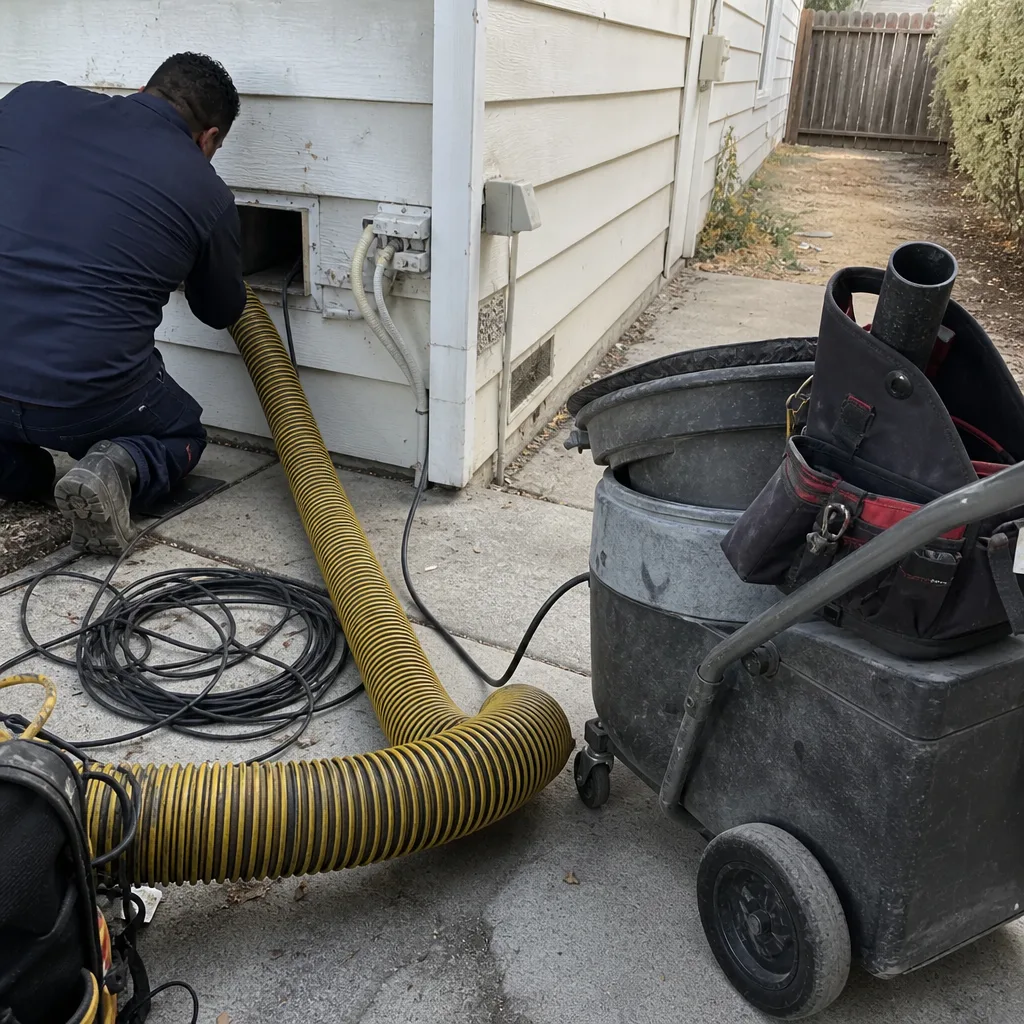 Before
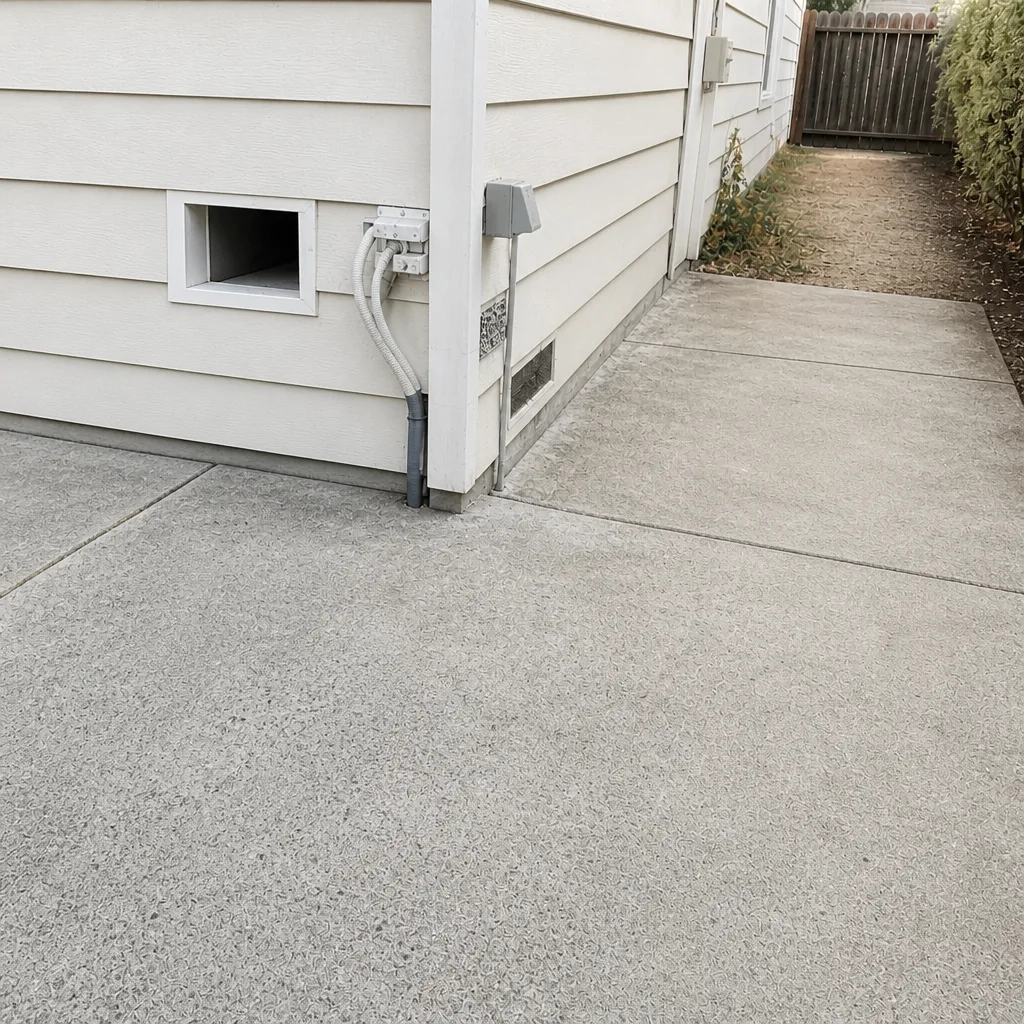 After
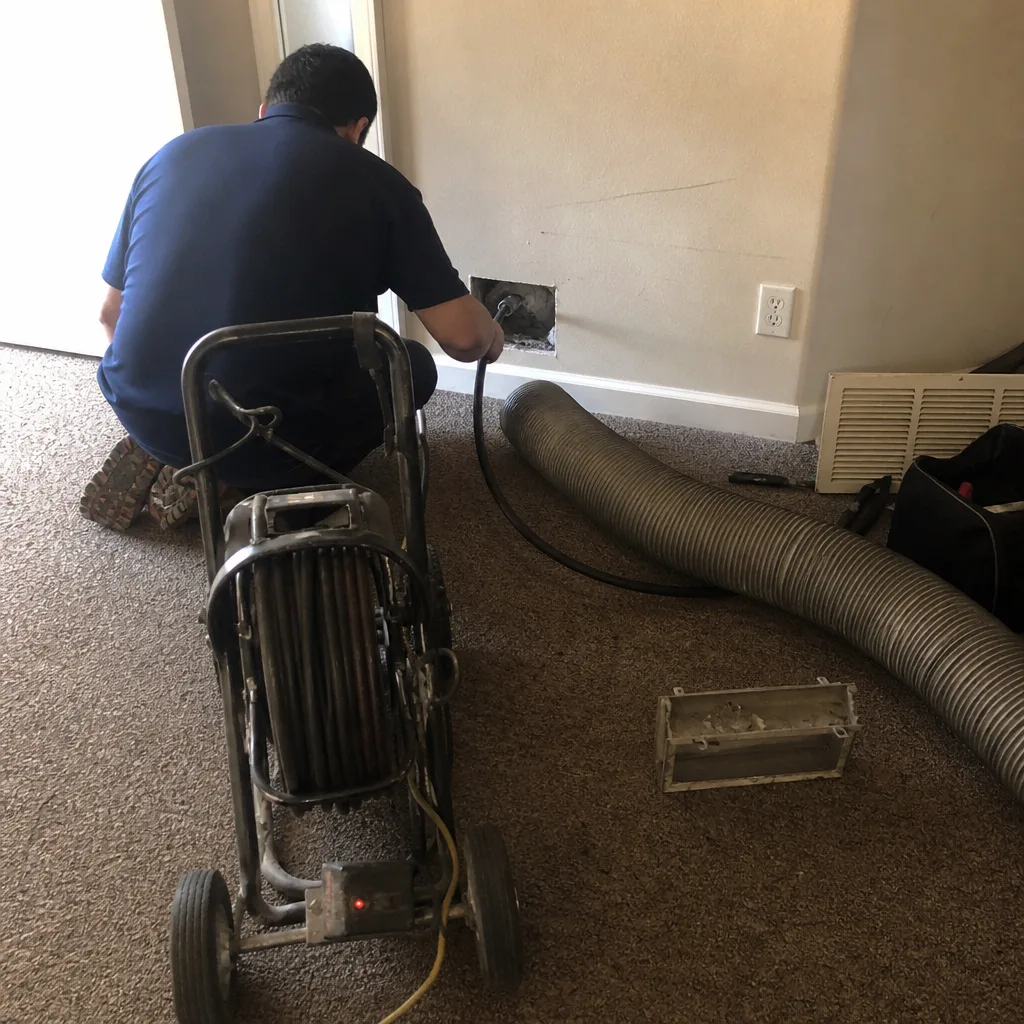 Before
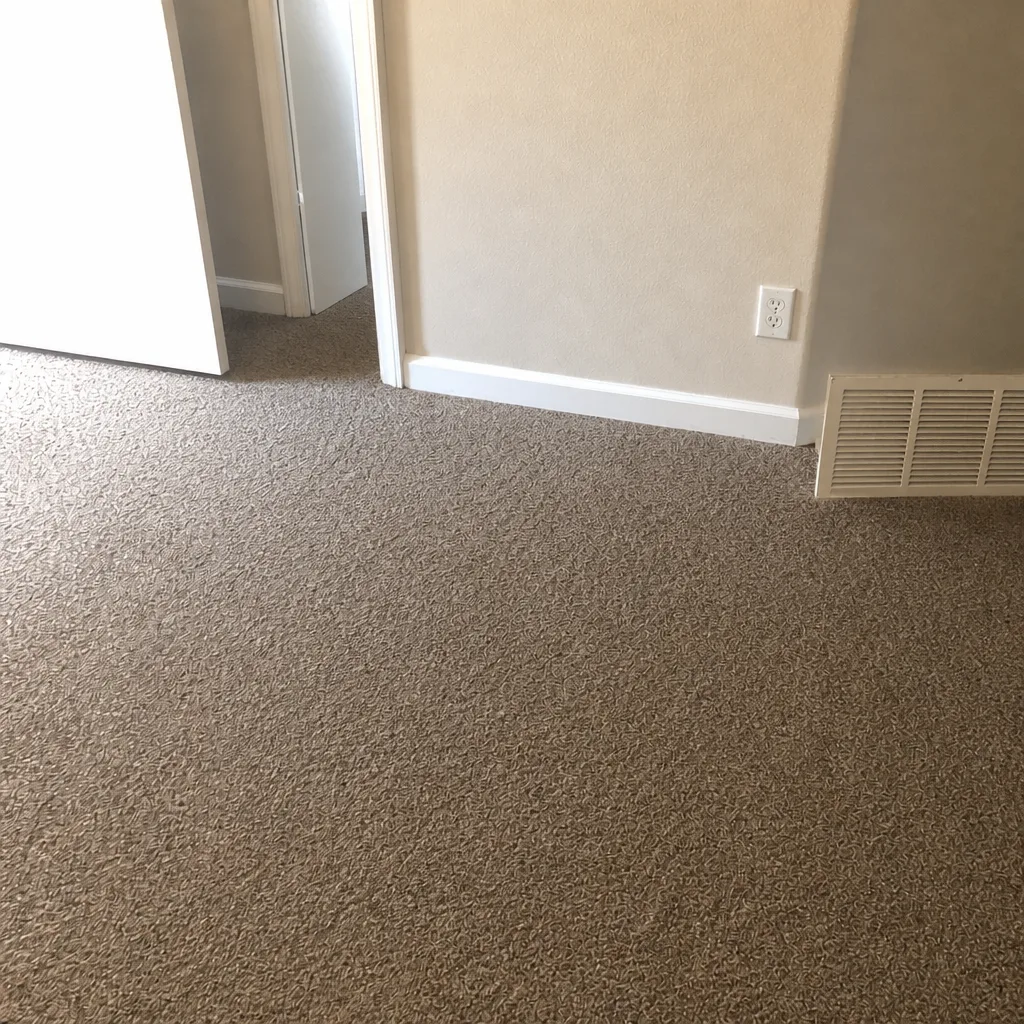 After
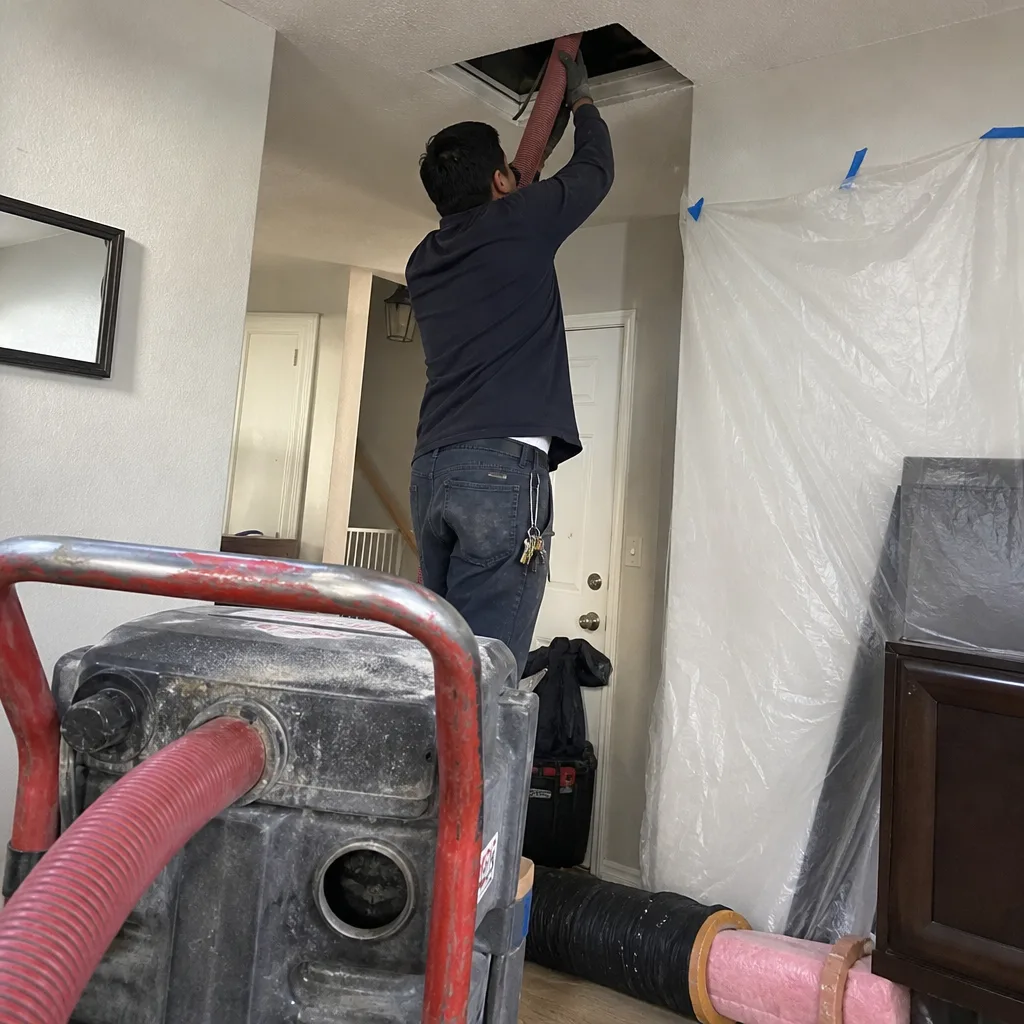 Before
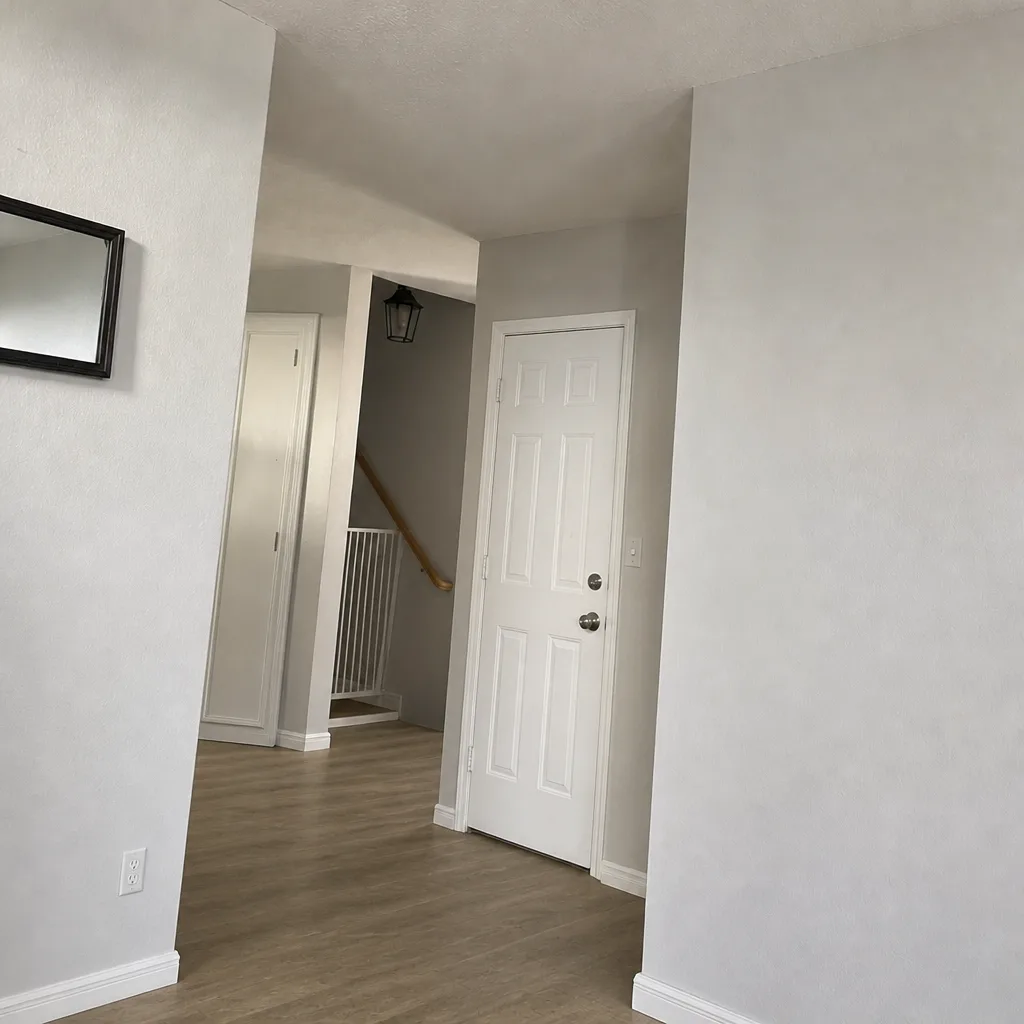 After
When to Call a Professional
Call us when you want the inside of your ductwork actually inspected, not estimated. If you’re a family with allergy sufferers, a pet owner dealing with hair and dander in the system, or a recent buyer of an older Tracy home who wants to know what’s behind the registers before making decisions, a proper inspection and cleaning is the starting point. If you suspect a compromised duct run – uneven airflow, visible disconnected flex, rodent intrusion – we’ll assess whether it’s a maintenance fix or a repair that needs licensed hands and documentation.
We also handle dryer vent cleaning, which is a safety service, not just a comfort one. And when the ducts are clean and the system needs better filtration, we install Honeywell and Aprilaire air-quality products in the same visit.
Duct Cleaning Tracy offers free estimates in Tracy – call (866) 429-7345. We answer 24/7. Fast dispatch from 7am to 7pm, Sunday through Friday.
Frequently Asked Questions
No. Air duct cleaning is a maintenance service, not construction, and doesn’t require a building permit in Tracy or anywhere else in California. The permit question only comes up if the work involves modifying, replacing, or structurally repairing ductwork. If you’re just having the system cleaned, there’s nothing to permit.
Usually yes, when the repair involves modifying the system – replacing flex duct runs, cutting new takeoffs, or altering the plenum. California’s C-20 HVAC contractor license authorizes this work, and the CSLB generally expects permitted projects and larger repairs to be done by a licensed contractor. Cleaning is a service; repair is construction. Call (866) 429-7345 if you’re not sure which category your job falls into – we’ll tell you straight.
The San Joaquin County building department typically handles building permits for duct modifications in Tracy, with the City of Tracy involved in local zoning and inspection referrals. If your duct repair is substantial enough to require a permit, the permit should be filed under the licensed contractor’s name, and a county inspector will sign off on the work. Permit records are public and follow the property.
It depends on what the company actually does. A duct cleaning service operates on the maintenance side of the line. A company that also performs duct repair and replacement should hold a C-20 HVAC contractor license to do that work legally. Look up the license number on the CSLB website and check the classification – that tells you exactly what scope the contractor is authorized to perform.
First, pull the permit history from San Joaquin County. Second, have the ductwork independently assessed to determine whether the work is actually deficient or just undocumented. If remediation is needed, a licensed contractor can correct it with a permit. If you’re selling, disclose what you know and document any corrective work. An undocumented job isn’t automatically a defect, but the paper trail matters at resale.
Duct sealing done as energy-efficiency work is subject to Title 24, California’s building energy efficiency standard. The practical implication for a homeowner is documentation: keep records of the materials and methods used, because future efficiency claims and resale disclosures may depend on them. Proper sealing means mastic at the joints, not duct tape. Call (866) 429-7345 for an exact quote on duct sealing or repair – estimates are free.
The Bottom Line
The permit question in Tracy comes down to one distinction: cleaning vs. modifying. Routine Tracy duct cleaning is maintenance and needs no permit. Duct repair, replacement, and sealing are construction-side work, typically requiring a C-20 licensed contractor and, in some cases, a San Joaquin County permit. Title 24 governs how the sealing and replacement work is done and documented. Verify any contractor’s CSLB license and insurance before work starts. If you’re buying a home with older ductwork, pull the permit history. And if a contractor can’t explain which category your job falls into, that’s a signal to slow down and ask better questions.
Written by the team at Duct Cleaning Tracy.