
Last updated November 15, 2026
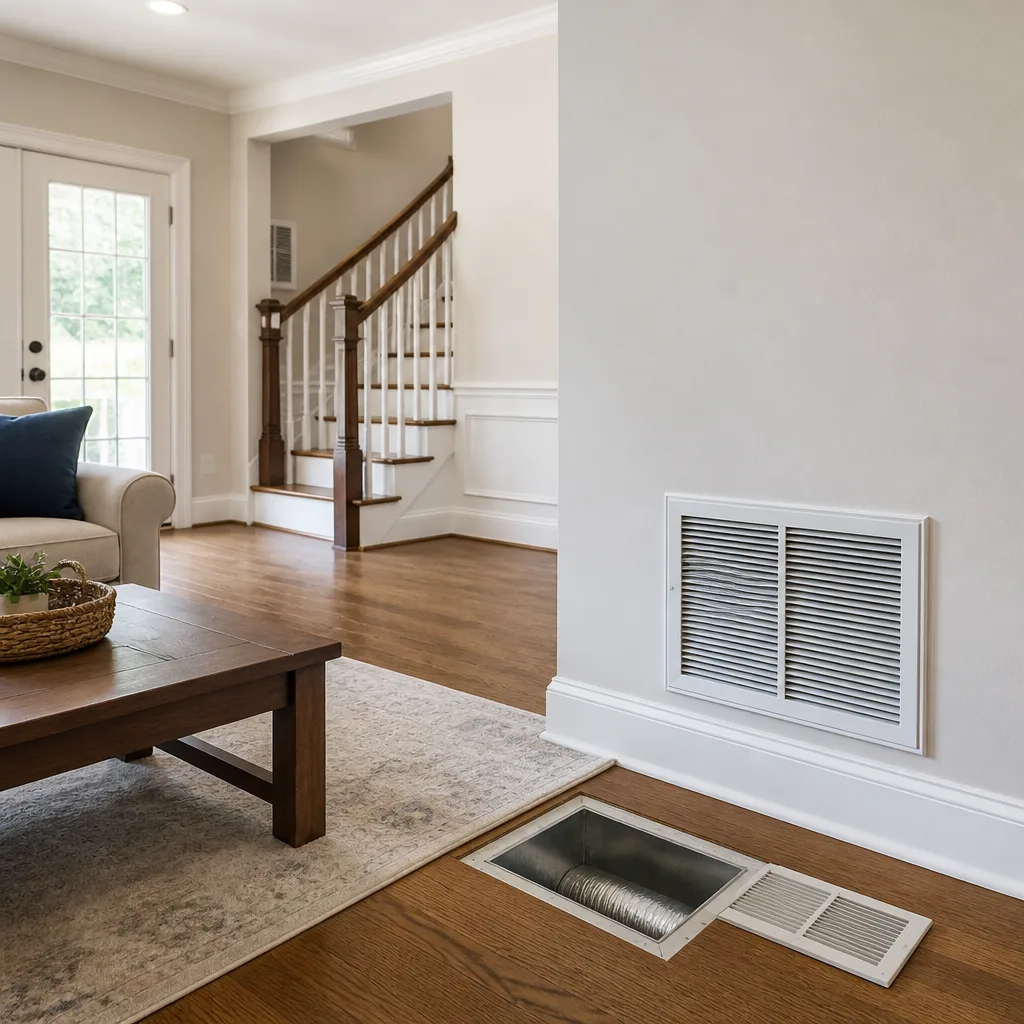 Whole-home duct cleaning
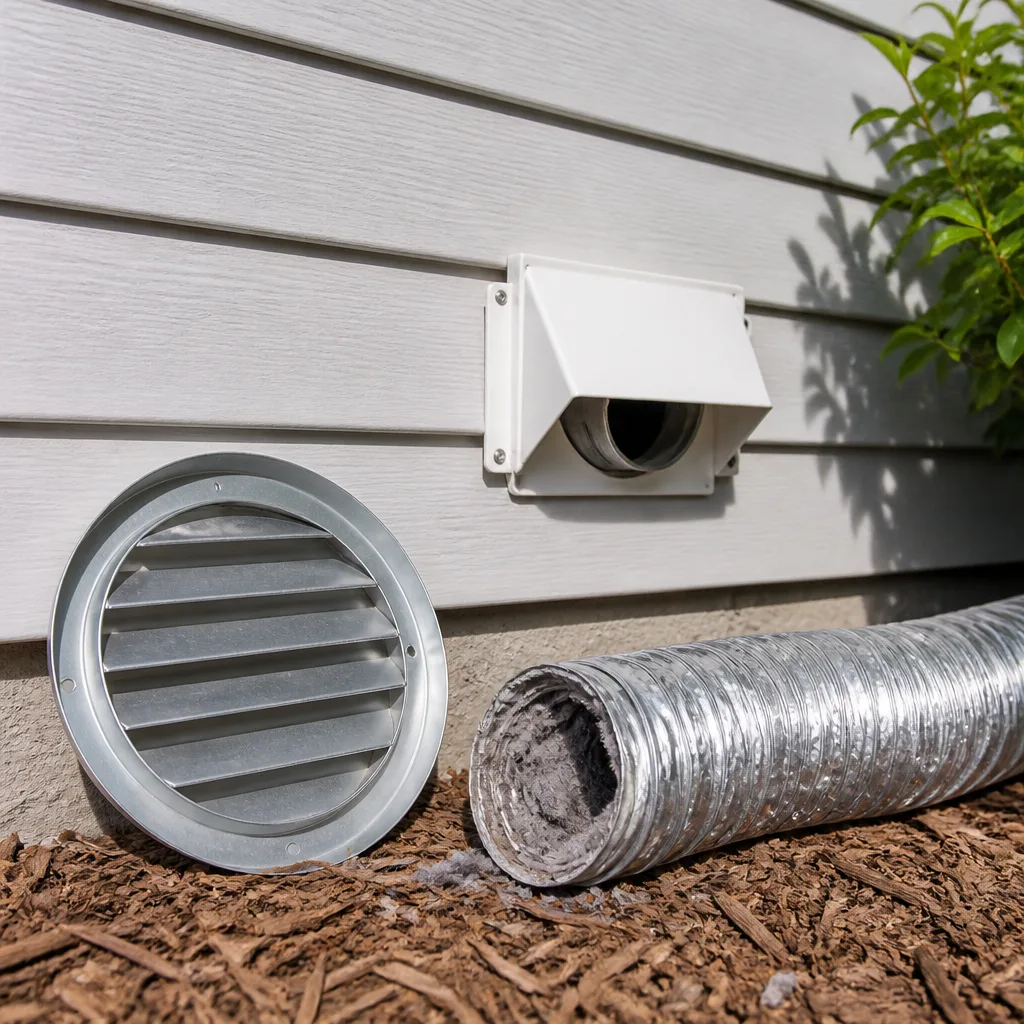 Dryer vent cleaning
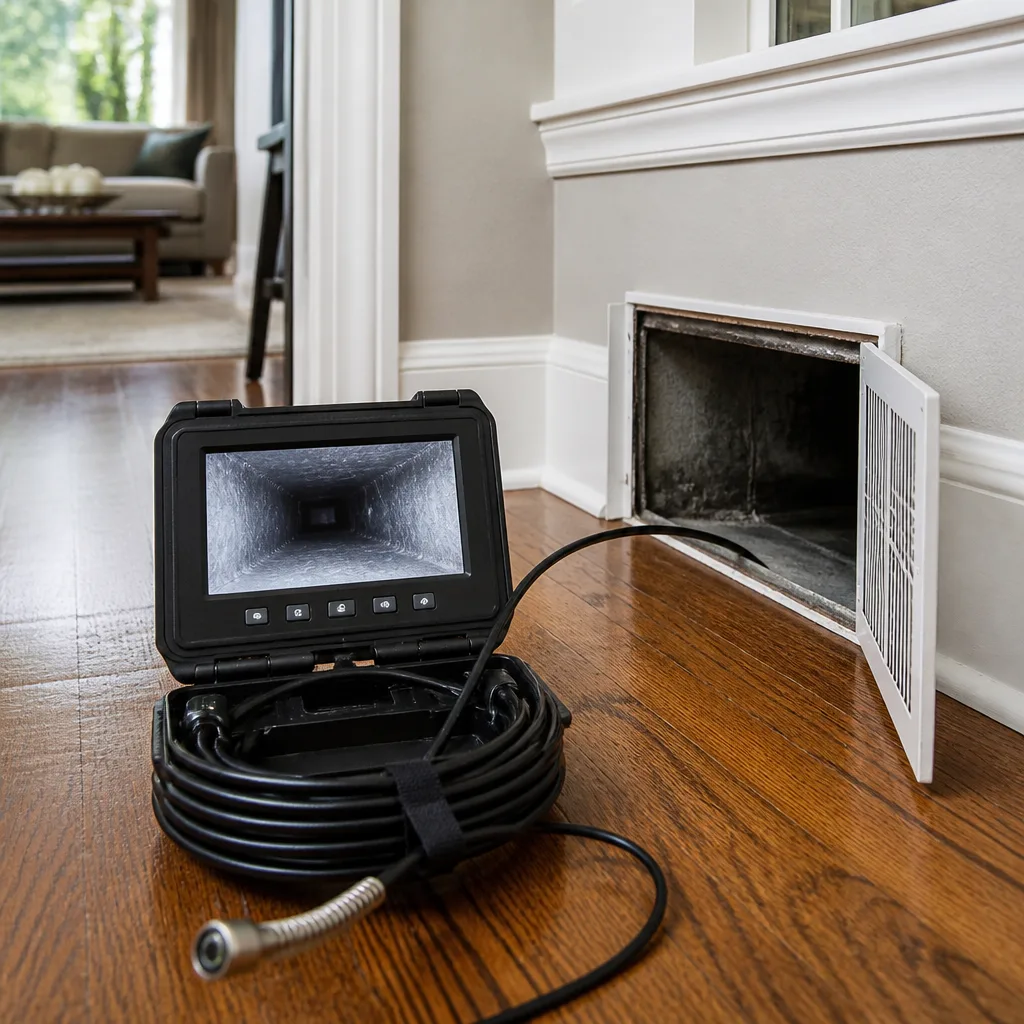 Camera inspection
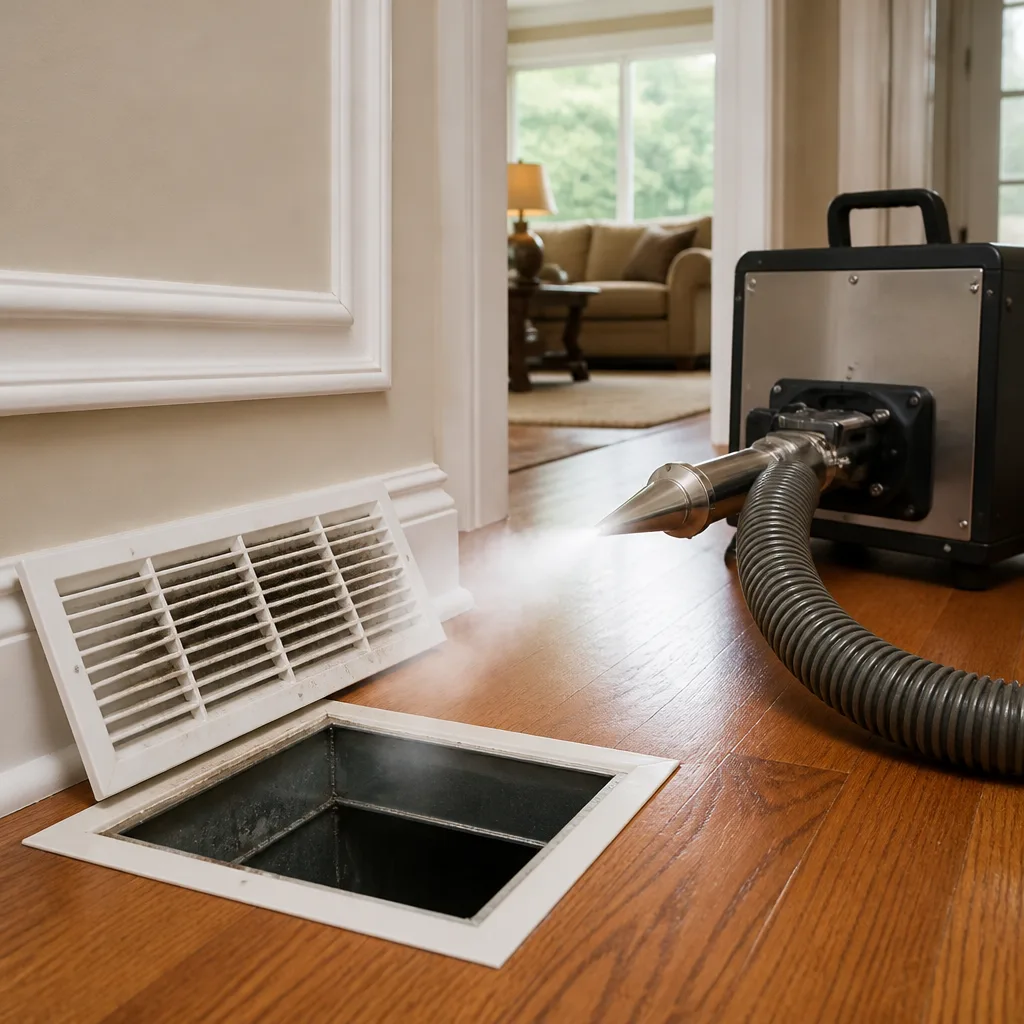 Sanitizing & deodorizing
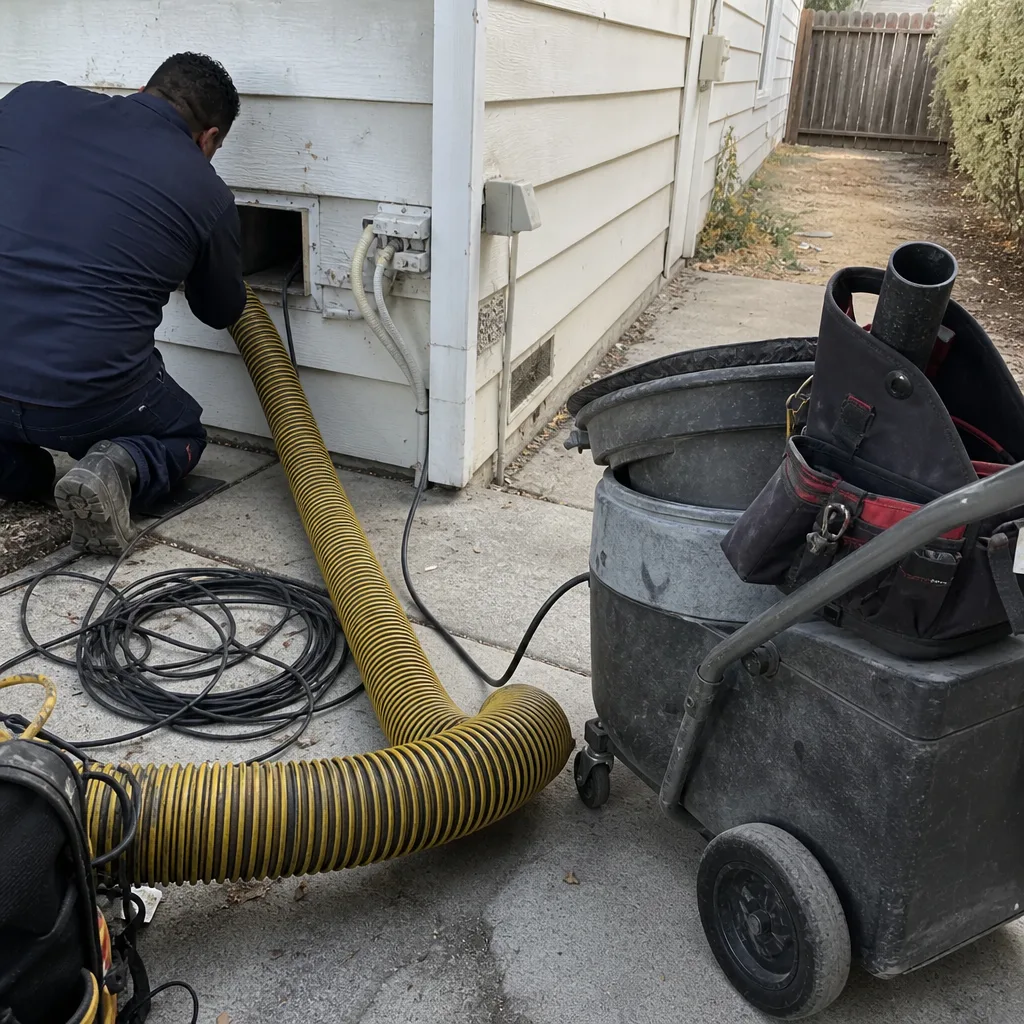
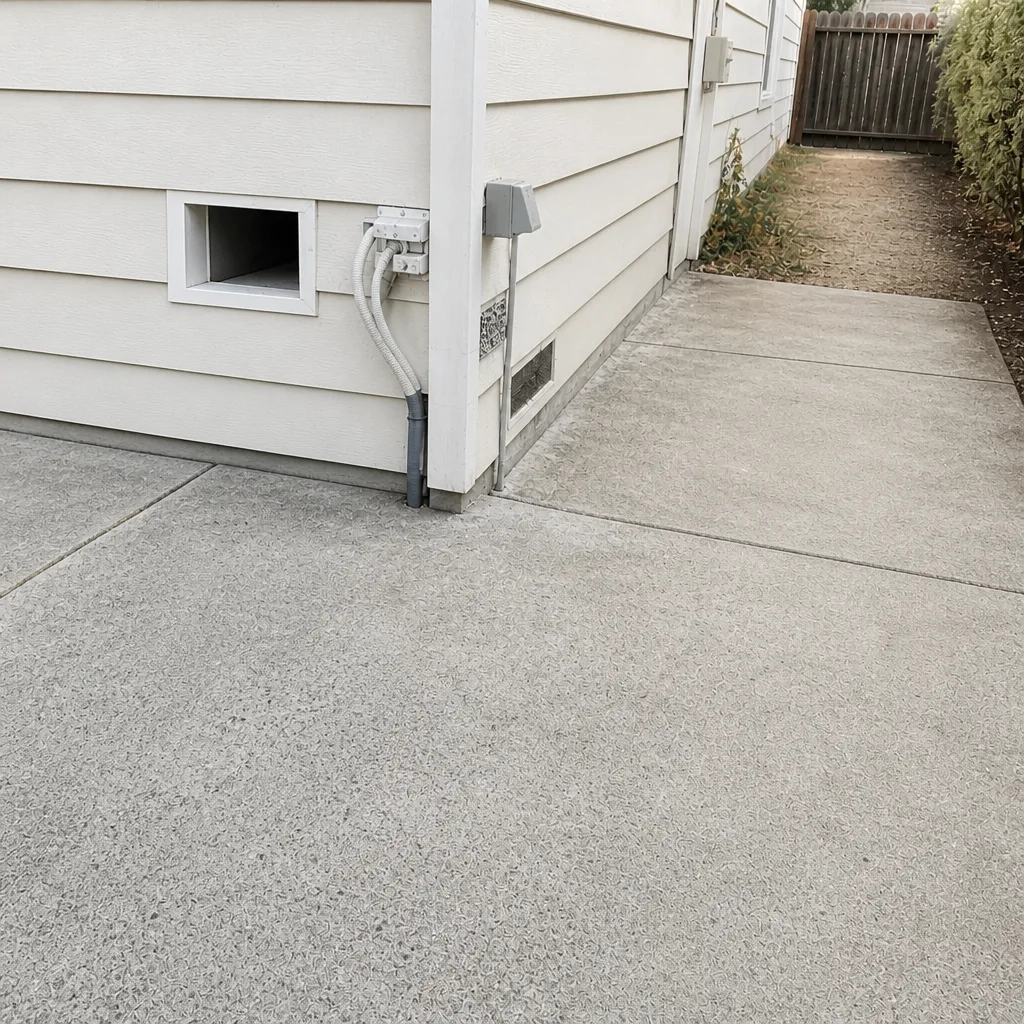
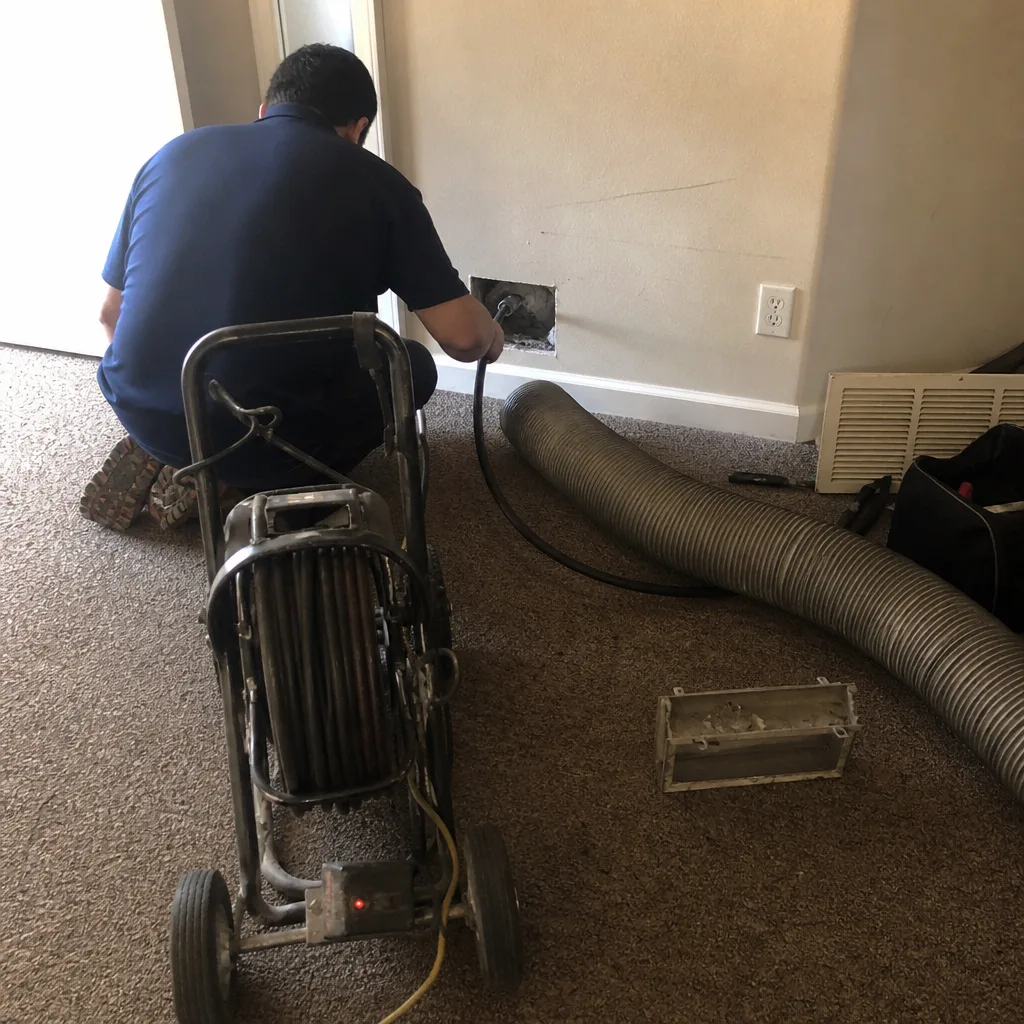
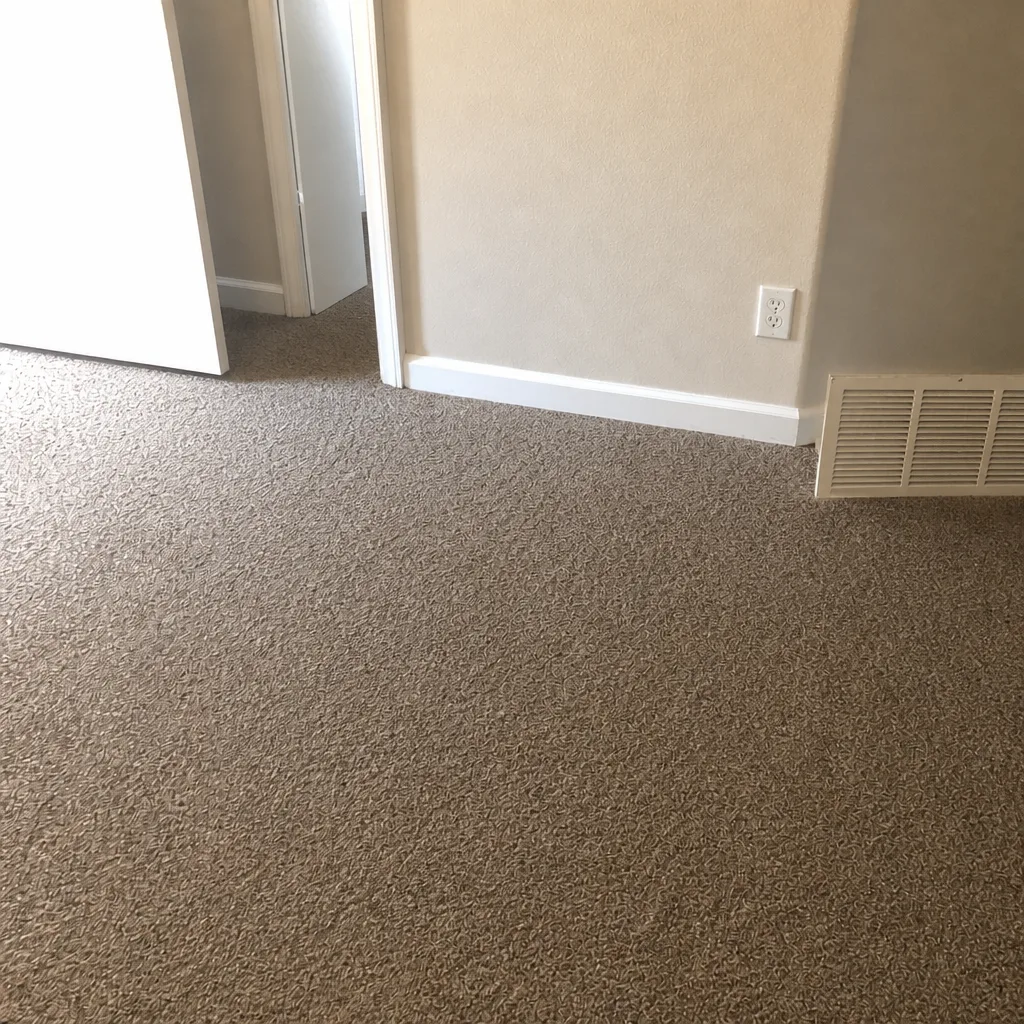
Whole-system duct and dryer vent check with before-and-after photos - you see exactly what came out of your vents
That "$99 whole-house special" is a bait ad - the real number appears once they are in your hallway, or the "clean" is a shop-vac at the register. We photograph the inside of your ducts before and after instead.
DIY vs Professional Air Duct Cleaning: The Tracy Homeowner’s Decision Guide
Most homeowners assume the DIY-versus-professional question is about money or effort. It isn’t. It’s about physics. A rented shop-vac pulling through a register opening moves a few hundred cubic feet of air per minute at best, and it does so without sealing the rest of the system, so every particle it lifts has somewhere else to drift. A commercial duct cleaning system pushes thousands of cubic feet per minute under full negative-pressure isolation. These aren’t competing options at different price points. They produce categorically different outcomes. This guide explains the mechanical gap, shows where DIY genuinely works in a Tracy home, and gives you a way to verify a professional job afterward.
Quick Answer
Professional air duct cleaning removes accumulated debris from the entire duct system under sealed negative pressure, while DIY cleaning with consumer equipment mostly stirs debris loose without capturing it. DIY is genuinely useful for single dryer vent runs, register face cleaning, and return-filter upkeep. For a whole-system job, post-construction debris, moisture or biological contamination, or collapsed flex duct, professional equipment is the only method that actually extracts the material rather than relocating it.
Styles & brands we work with
- Whole-home duct cleaning
- Dryer vent cleaning
- Camera inspection
- Sanitizing & deodorizing
Table of Contents
- Why duct cleaning is a physics problem, not an effort problem
- What consumer duct cleaning kits can and can’t do
- Where DIY is the right call in a Tracy home
- Where DIY quietly makes things worse
- What a professional duct cleaning job should actually involve
- How to verify the work was done to standard
- Tracy-specific conditions that affect the decision
- What professional cleaning typically runs and why
Why Duct Cleaning Is a Physics Problem, Not an Effort Problem
Dust in a duct system isn’t loose sand sitting in a bucket. It’s a mix of skin cells, pet dander, textile fiber, settled construction particulate and whatever the return air has pulled in over years. Some of it clings to the duct wall through static and light moisture. Some of it lies in a loose layer on the bottom of horizontal runs. The moment airflow disturbs that layer, the finer particles become airborne again and follow whichever pressure path is available.
That’s the whole problem in one sentence. Dislodge debris without simultaneously capturing it under high-volume negative pressure and you haven’t cleaned the duct. You’ve moved the debris from one section to another, or pushed it into the living space through the nearest register. A shop-vac at a single register opening doesn’t seal the system, so the “suction” you create is partly defeated by air rushing in from every other opening in the house.
Commercial systems solve this by isolating the system first. A large negative-pressure unit connects at the main trunk, the registers are sealed or worked one at a time, and the whole duct network is held under vacuum while a contact brush or air whip agitates the duct wall. Dislodged material has exactly one place to go: into the capture unit. Nothing re-enters the room because there’s no open path back out.
The numbers in plain terms
- Consumer shop-vac at a register: a few hundred CFM of pulling power, unsealed system, no isolation.
- Commercial duct cleaning unit under full negative pressure: thousands of CFM with the system sealed at every other opening.
- The gap that matters: it isn’t the suction number alone. It’s suction combined with isolation. One without the other doesn’t produce a clean duct.
This is why “we used a really strong vacuum” isn’t the same claim as “we ran a commercial negative-pressure system.” If you want to understand the equipment side in more depth, our air duct cleaning page walks through the process the way our technicians run it.
What Consumer Duct Cleaning Kits Can and Can’t Do
Hardware stores sell two things that get marketed as duct cleaning tools: brush-and-vacuum kits that attach to a household vacuum or drill, and dedicated dryer vent vacuum kits with long flexible wands. Both have legitimate uses. Neither can clean a whole residential duct system the way a commercial setup can, and the marketing rarely admits that.
A brush attachment on a drill, fed into a register, will loosen dust from the first few feet of that branch. It will not reach the trunk, the plenum, the return side, or the far ends of long runs. The vacuum it’s attached to is a household canister or shop machine, which means it captures some of what the brush lifts and leaves the rest suspended. If the brush contacts a flexible duct’s internal liner, it can tear it, which is a far bigger problem than the dust it removed.
A dryer vent vacuum kit is a more honest tool. Those long wands are genuinely capable of clearing a short, straight single dryer run, and we recommend homeowners own one if their dryer vent is accessible from the outside with a short horizontal run. The limits show up when the run is long, has elbows, or vents through a roof.
Where consumer kits fall short in a duct system:
- No system isolation, so air and debris are pushed into rooms rather than captured.
- No reach into the trunk line, plenum, or branch runs beyond the first few feet.
- No ability to agitate a duct wall along its full length, which is where most of the accumulation actually sits.
- No capture equipment rated for the volume of particulate a real cleaning releases.
What they’re actually good for is small: a register face wipe-down, loosening dust from the visible inch or two of a branch, and keeping a dryer vent short-run clear. Those are real benefits. They just aren’t whole-system cleaning.
Where DIY Is the Right Call in a Tracy Home
We’d rather tell you where to save your money than sell you a cleaning you don’t need. There are several maintenance tasks in a Tracy home where DIY is not only adequate, it’s genuinely the correct choice.
- Single dryer vent cleaning. If your dryer vent is a short, straight horizontal run that exits at an accessible wall, a homeowner with a proper dryer vent kit can clear it quarterly and do a genuinely good job. This matters for safety, so don’t skip it. Our dryer vent cleaning page covers when a run is simple enough for DIY and when it isn’t.
- Register face and grille cleaning. The slotted metal or plastic covers collect visible dust and are easy to remove, wash, and reinstall. This is a five-minute-per-register job that improves the look of a room and slightly reduces what gets pulled in.
- Return filter maintenance. Changing or cleaning your filter on schedule is the single highest-value thing a homeowner can do for indoor air quality and system efficiency. It’s a homeowner task, and doing it consistently makes professional cleanings less frequent, not more.
- Pre-filter and air cleaner maintenance. If you have a media filter or an electronic air cleaner, keeping the pre-filter clean is a straightforward homeowner job that extends the life of the equipment. The one exception is a filter cabinet that’s been fitted incorrectly, which is worth having a technician look at.
- Around the return opening. Vacuuming the floor or wall around the return grille keeps dust out of the return air before it enters the system. It’s simple and it helps.
None of these overlap with whole-system cleaning. They’re maintenance tasks that reduce the rate at which ducts accumulate material. Doing them well is why a well-kept Tracy home can wait longer between professional cleanings than a neglected one.
Where DIY Quietly Makes Things Worse
There are situations where a homeowner’s best-intentioned Saturday afternoon with a shop-vac and brush kit does real damage, or at minimum redistributes a problem into harder-to-reach places. Knowing these scenarios is as useful as knowing when to call.
- Post-construction debris. Drywall dust, sawdust, construction adhesive residue, small chunks of plaster, and occasionally fasteners all end up in ductwork after a remodel or a new build. This debris is heavy, and a consumer vacuum can’t capture it at volume. Brushing it loose without commercial capture spreads it across the entire system.
- Any moisture or suspected biological contamination. If you’ve had a roof leak, an HVAC condensation issue, or visible mold near a register, mechanical agitation is the wrong first move. Disturbed mold spores become airborne, and some are a genuine health concern, particularly in a household with allergy sufferers or immune-compromised family members. This scenario calls for containment and air-filtration equipment, not a shop-vac. If you suspect this, stop and book a professional assessment.
- Collapsed or disconnected flex duct. Flexible duct can sag, kink, or come loose at the collar. A brush fed into a collapsed section will tear the liner, and you’ve now got a duct that leaks conditioned air into a crawlspace or wall cavity. That’s an airflow problem, and it’s also an energy problem. Repair is a separate skill from cleaning.
- Long or complex duct runs. A two-story Tracy home with a zoned system and multiple trunks is well beyond what consumer tools can address. The reach simply isn’t there.
- Return-side and plenum cleaning. The return air trunk and the supply plenum at the air handler hold a surprising amount of accumulation, and no consumer tool reaches them safely. Attempting it risks damaging the air handler or the duct connections.
The pattern is consistent. DIY works where the duct is short, straight, accessible, and dry. It fails where the duct is long, complex, wet, or structurally compromised. Those categories are reliable indicators of when to call in equipment you can’t rent.
What a Professional Duct Cleaning Job Should Actually Involve
A legitimate professional cleaning follows a sequence. If a company shows up, waves a shop-vac at two registers, and hands you a bill, you’ve been sold a residential-grade service at a professional-grade price. Here’s the sequence a properly equipped job follows, and what to watch for at each step.
- Inspection first. Before any equipment runs, the technician should look inside the system with a camera or a light and show you what’s there. “See what’s inside your ducts before we start” isn’t a marketing line for us; it’s the step that tells you whether the job is routine cleaning, repair, or something more.
- System isolation and negative pressure. Commercial equipment connects to the main trunk and seals the system so the whole duct network is under vacuum. This is where the equipment gap between consumer and commercial shows up most clearly. Nikro and Rotobrush systems are built for this step; a household vacuum is not.
- Contact-brush and air-whip agitation. Rotobrush contact-brush heads run the length of each branch, physically contacting the duct wall to dislodge material the way a brush scrubs a surface. Every branch gets worked, not just the ones nearest the air handler.
- Register-by-register coverage. Every supply and return register is cleaned, not sampled. Ask how many registers the home has and confirm the count matches what gets worked.
- Air filtration and containment. On jobs with elevated indoor air quality concerns, Abatement Technologies filtration equipment captures fine particulate in the work area. This is standard practice for allergen or mold work, and it’s a step a residential vacuum can’t replicate.
- Visual verification and before-and-after photos. The technician should show you photos of the duct interior before and after, register by register. If the company can’t produce them, you have no way to verify the work.
If your ducts have a section that’s come loose, crushed, or disconnected, cleaning alone won’t fix it. This is where our Tracy air duct repair work differs from clean-only services. We clean it and we fix it, because a clean duct that leaks conditioned air isn’t doing you much good. That’s the case for one visit covering the full system rather than a cleaning visit followed by a referral to someone else for repair.
How to Verify the Work Was Done to Standard
The most common complaint homeowners have about duct cleaning isn’t the price. It’s uncertainty. Did anyone actually clean the ducts, or did they just run a vacuum for an hour and leave? You can close that gap yourself, and you should ask about verification before the work even starts.
- Ask for before-and-after photos of your own ducts. Not stock photos, not a sample binder. Photos of the ducts in your home, taken during your visit. A confident technician will offer these without being asked.
- Watch the register count. Count your registers before the technician arrives and confirm every one gets worked. Skipped registers are the most common shortcut in this trade.
- Check the visible interior at a register after the job. You can shine a flashlight up the first few inches of a branch and see whether the surface is clean. It won’t tell you about the trunk line, but it will tell you whether any work happened at all.
- Look for dust marks or debris on the floor beneath registers. A well-run job leaves clean floors. Debris scattered on the carpet means the capture step wasn’t working properly.
- Ask what equipment was used. A real answer names the system. If the answer is vague, that’s information too.
- Get a written summary. A good job includes a brief report of what was found, what was cleaned, and what – if anything – needed repair. If you’re curious how a full inspection and cleaning sequence looks end to end, our Duct Cleaning Tracy team walks through the sequence before work begins.
Verification steps don’t require any equipment. They require you to ask questions and look. A company that objects to being asked is telling you something important.
Tracy-Specific Conditions That Affect the Decision
Tracy sits in the San Joaquin Valley, where the air quality story is partly about what’s grown and shipped nearby and partly about the seasonal inversion that keeps particulate near the ground. Agricultural dust, pollen from surrounding fields and orchards, and wildfire smoke during fire season all push particulate into homes, and HVAC systems are the main path in. This is why indoor air quality is a bigger concern in Tracy than the climate profile alone would suggest.
Winters here are mild and the summers run hot and dry. That pattern means the HVAC system in a typical Tracy home runs hard through a long cooling season, which pulls more air and more particulate through the duct system over a year than a cooler climate would. Homes with pets or family members with allergies notice it first. A family with a pet and an allergy sufferer in the house is often the household that benefits most from a scheduled professional cleaning.
Housing stock in Tracy varies too. Older homes around the downtown core may have duct systems that haven’t been touched in years, sometimes with original flex duct that’s sagged or partially disconnected. Newer construction on the edges of town often comes with post-construction debris still sitting in the ducts from the build, which is a specific case where professional cleaning matters because the material is heavy and coarse. In our experience, the two situations call for different approaches, and a quick inspection tells you which one you’re dealing with.
Newer Tracy homes often also have filtration cabinets built for media filters or electronic air cleaners. Honeywell and Aprilaire products are common, and when a filter cabinet is fitted correctly the homeowner can keep it maintained with simple filter changes. When it isn’t, the filter bypasses and the ducts pull in unfiltered air, which shortens the interval between cleanings. A single visit that covers cleaning, repair, and filtration assessment is often more useful than a cleaning alone.
What Professional Cleaning Typically Runs and Why
Pricing for air duct cleaning in the Tracy market depends on the size of the system, the number of registers, whether repair is needed, and whether filtration or additional equipment is part of the visit. Teaser pricing in this trade is a problem, and a very low quoted number usually becomes a larger invoice once the technician is on site. Honest quotes are given per system, per home, and confirmed in writing before any work starts.
What the quote covers matters more than the number. A quote that includes inspection, isolation, every register, and before-and-after photos is a different product than a quote that covers one vapor pass and no photos. The question worth asking isn’t “how cheap can this be,” it’s “what exactly is included, and how do I verify it happened.” Our technicians have up to 8 years of experience running this equipment, and the written estimate we give is the price you pay, agreed before work begins.
Dryer vent cleaning is a separate scope and priced separately because it’s a separate job with its own equipment and its own safety purpose. Duct repair pricing depends on how much of the system needs attention and what’s accessible. All of it gets spelled out on the estimate.
Common Mistakes to Avoid
- Assuming a stronger shop-vac changes the physics. Buying a bigger consumer vacuum won’t close the gap. The missing piece is isolation and capture volume, not suction alone.
- Running a brush into flexible duct without knowing its condition. A collapsed or torn flex duct is a repair job, and brushing it makes the repair bigger. Inspect first, and if you can’t inspect, don’t agitate.
- Doing a DIY pass on post-construction ductwork. Drywall dust and construction debris are heavy and airborne once disturbed. Without commercial capture they spread through the whole system.
- Treating suspected mold or moisture as a cleaning job. Biological contamination needs containment and filtration equipment, not mechanical agitation. This is the one situation where DIY is likely to make a health concern worse.
- Choosing a professional by price alone. A low quote that becomes a large invoice on site is the standard bait-and-switch pattern in this trade. Ask what’s included in writing before you book.
- Skipping the return-side and plenum. Some cleaning services work the supply branches and leave the return trunk alone. Confirm the whole system is in scope.
- Never verifying the work. Photos, register count, and a visible flashlight check at a register will tell you more about what happened than any verbal assurance.
See the difference
 Before
 After
 Before
 After
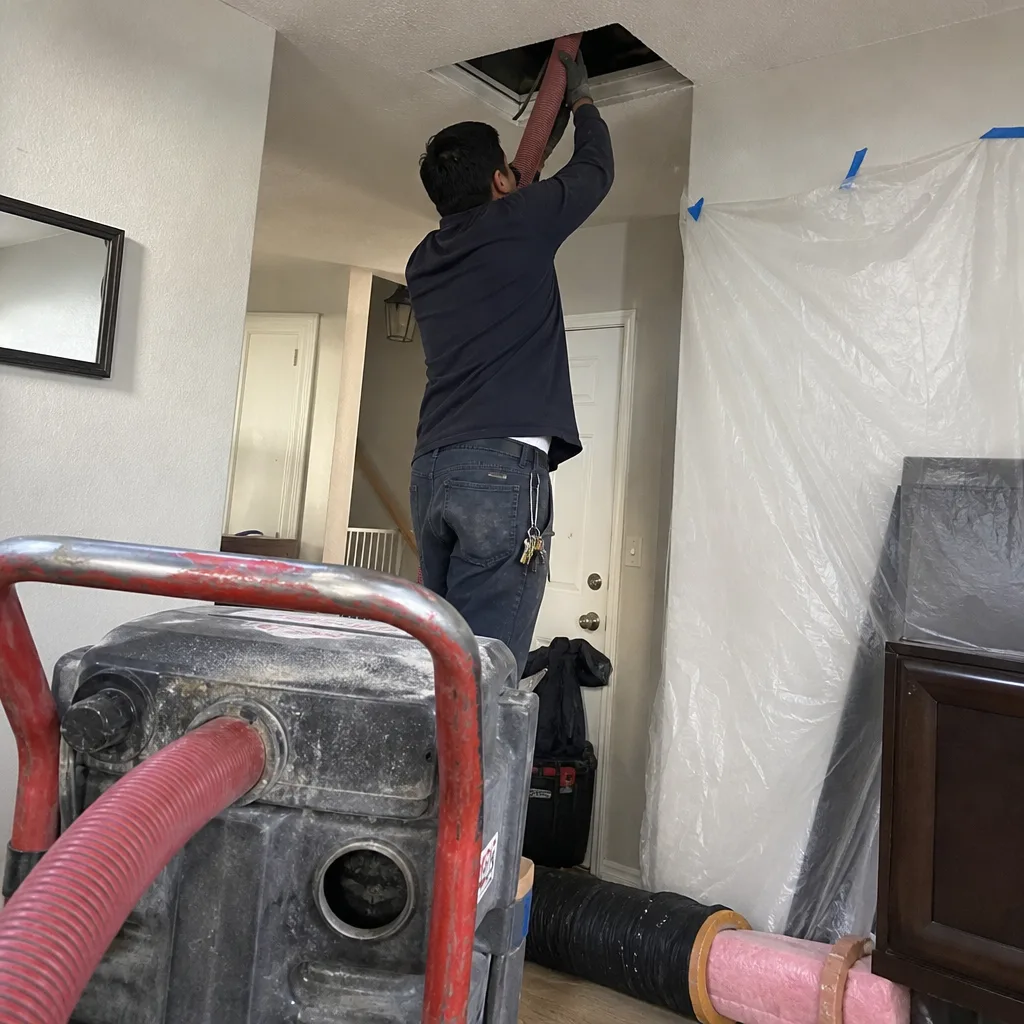 Before
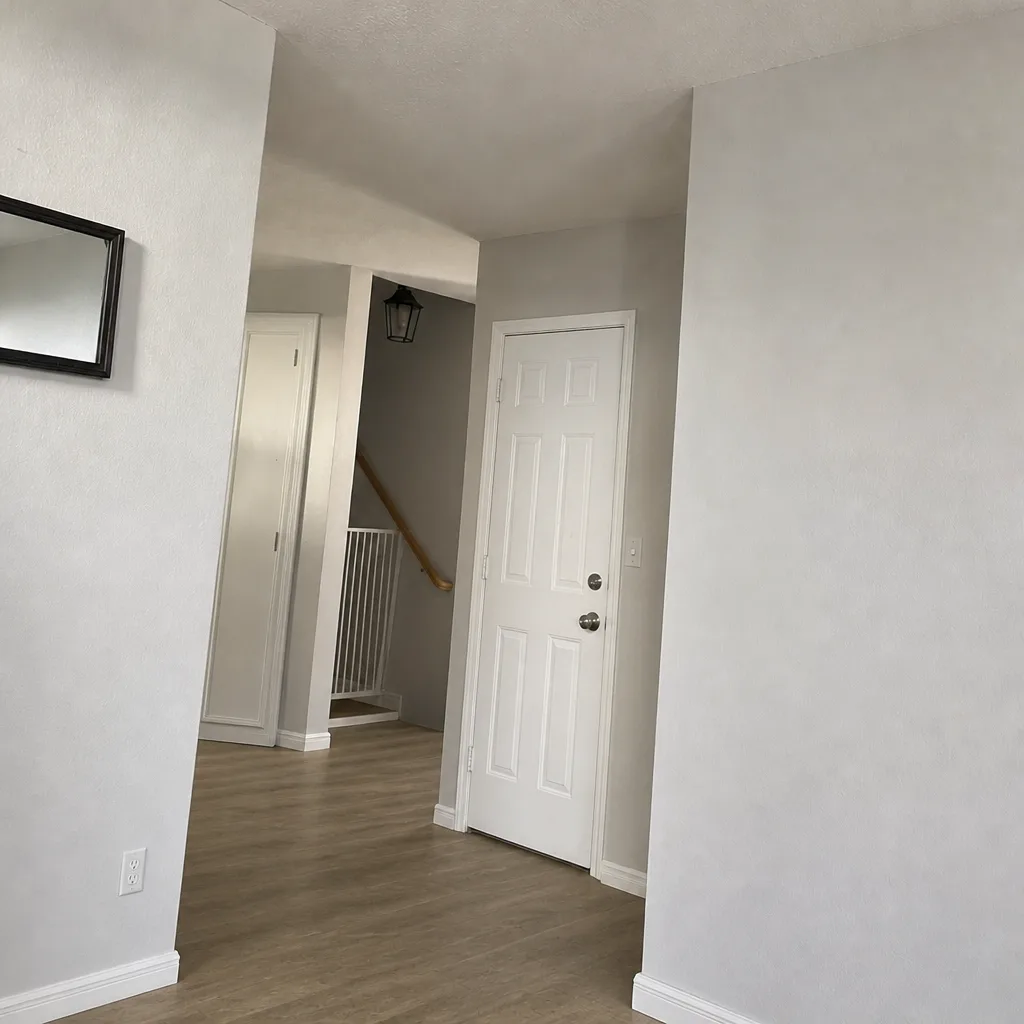 After
When to Call a Professional
Call a professional when the job is beyond what consumer equipment can physically do: post-construction debris in a full duct system, any moisture or suspected biological growth, duct runs that are long, complex, or inaccessible, or a system where flex duct may be collapsed and needs repair rather than cleaning. Call us as well if you’ve moved into a Tracy home and can’t find any record of the ducts having been cleaned, since inspecting first settles the question. Duct Cleaning Tracy offers free estimates in Tracy, and a single visit can cover cleaning, dryer vent work, and air duct repair together. Call (866) 429-7345. We answer 24/7. Fast dispatch from 7am to 7pm, Sunday through Friday.
Frequently Asked Questions
Pricing depends on system size, register count, and whether repair or filtration work is included, and we give it as a written estimate per home before any work begins. Offers that seem unusually low in this trade usually turn into a larger invoice once the technician is on site. Call (866) 429-7345 for an exact quote – estimates are free.
Cheaper quotes typically cover less: fewer registers worked, no negative-pressure isolation, no before-and-after photos, and sometimes no inspection at all. The difference shows up in what’s excluded rather than in the price of the same job. Ask for the scope in writing so you can compare like with like, then call (866) 429-7345 for a no-cost comparison quote.
Ask for before-and-after photos of your own ducts, count your registers and confirm each one was worked, and shine a flashlight up a branch after the job to check the visible interior. A company that refuses any of those requests is telling you something. Call (866) 429-7345 to book a job that includes those photos as standard.
Most homes don’t need it on a fixed schedule. Pet owners, households with allergy sufferers, recently renovated homes, and older homes with no known cleaning history usually need it sooner than a clean, well-maintained newer home. Filter maintenance in between cleanings extends the interval meaningfully. If you’re unsure, a call to (866) 429-7345 gets you an honest assessment of whether it’s time.
A short, straight, accessible dryer vent run can be cleared by a homeowner with the right kit, and doing it on a regular schedule is worth the effort. Long runs, runs with multiple elbows, or vents that exit through a roof are outside what a homeowner kit reaches safely, and those are worth a professional visit. Call (866) 429-7345 if you want the run assessed.
It carries real risk in a few specific cases: brushing flexible duct that may be collapsed or torn, disturbing mold or moisture-affected material without containment, and attempting work on the return trunk or plenum near the air handler. In those situations the safest move is to stop and book a professional assessment rather than carry on.
The Bottom Line
The DIY-versus-professional decision comes down to whether your tools can isolate and capture the whole system. Consumer kits can’t, no matter how much suction they claim. They’re the right tool for register faces, filter upkeep, and short accessible dryer vents, and they’re genuinely worth owning for those tasks. For whole-system cleaning, post-construction debris, moisture or biological concerns, and duct repair, commercial negative-pressure equipment is the only method that removes debris instead of relocating it. Whichever path you choose, verify what was done. Count registers, ask for photos, and get the scope in writing before anyone starts.
Get a Free Estimate
If you’ve read this far and you’re weighing the decision for a Tracy home, the simplest next step is an inspection. Call (866) 429-7345 for a free estimate. We answer 24/7. Fast dispatch from 7am to 7pm, Sunday through Friday. Our technicians have up to 8 years of experience, and our written estimate sets the price before any work begins.
Written by the team at Duct Cleaning Tracy.