
Last updated November 15, 2026
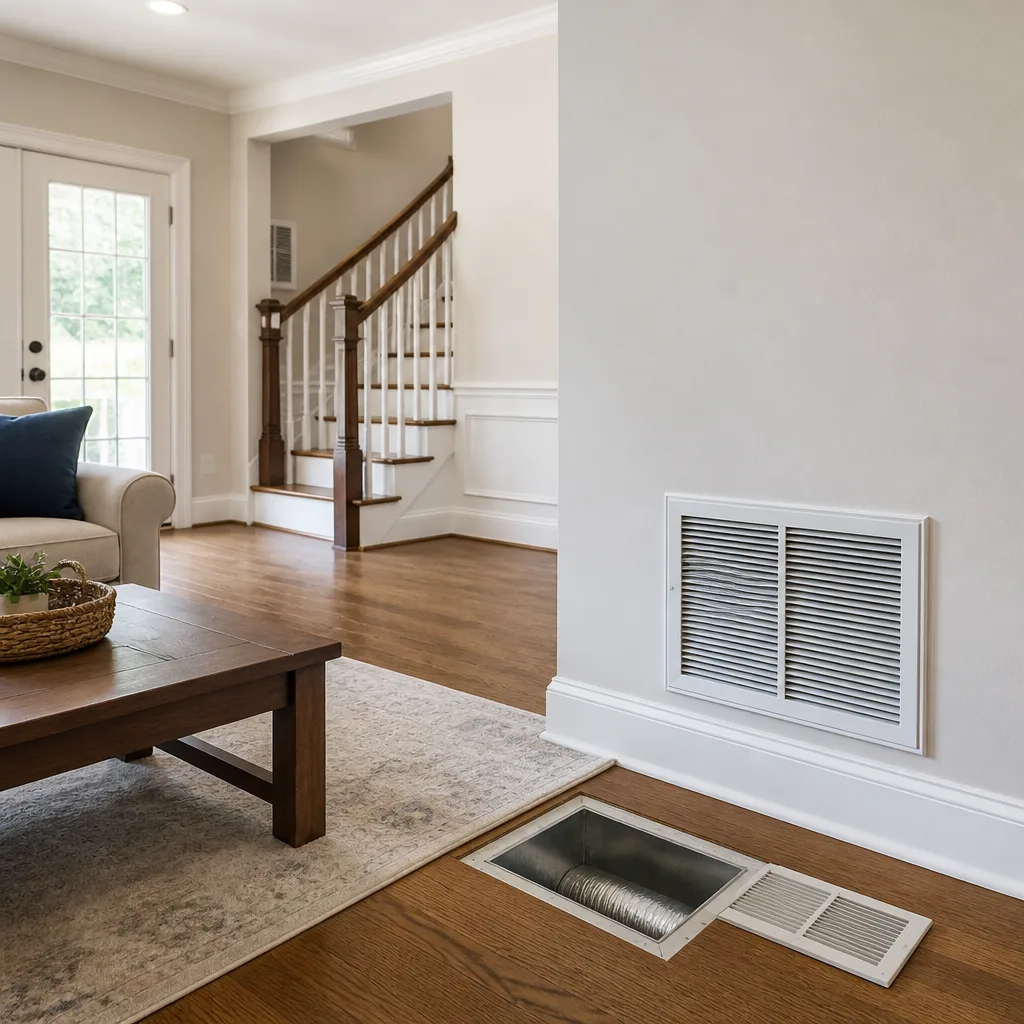 Whole-home duct cleaning
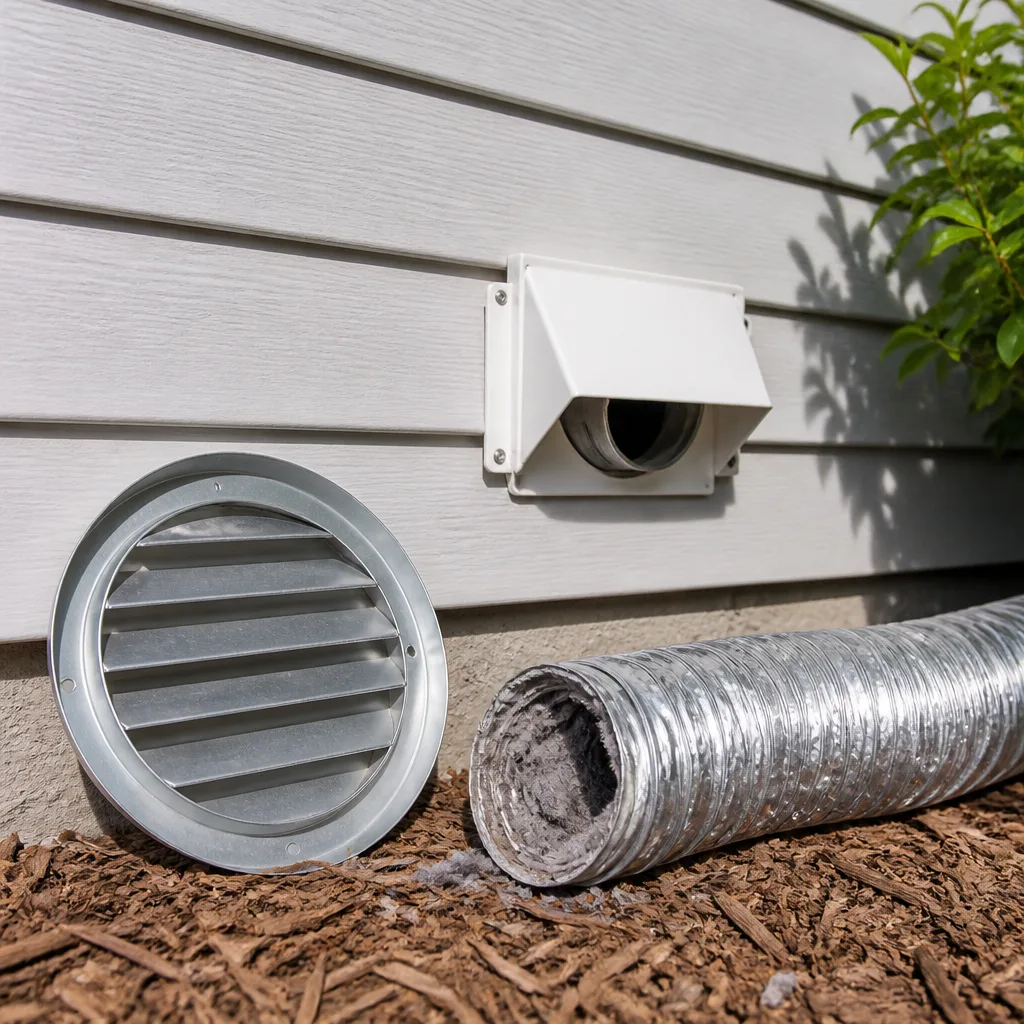 Dryer vent cleaning
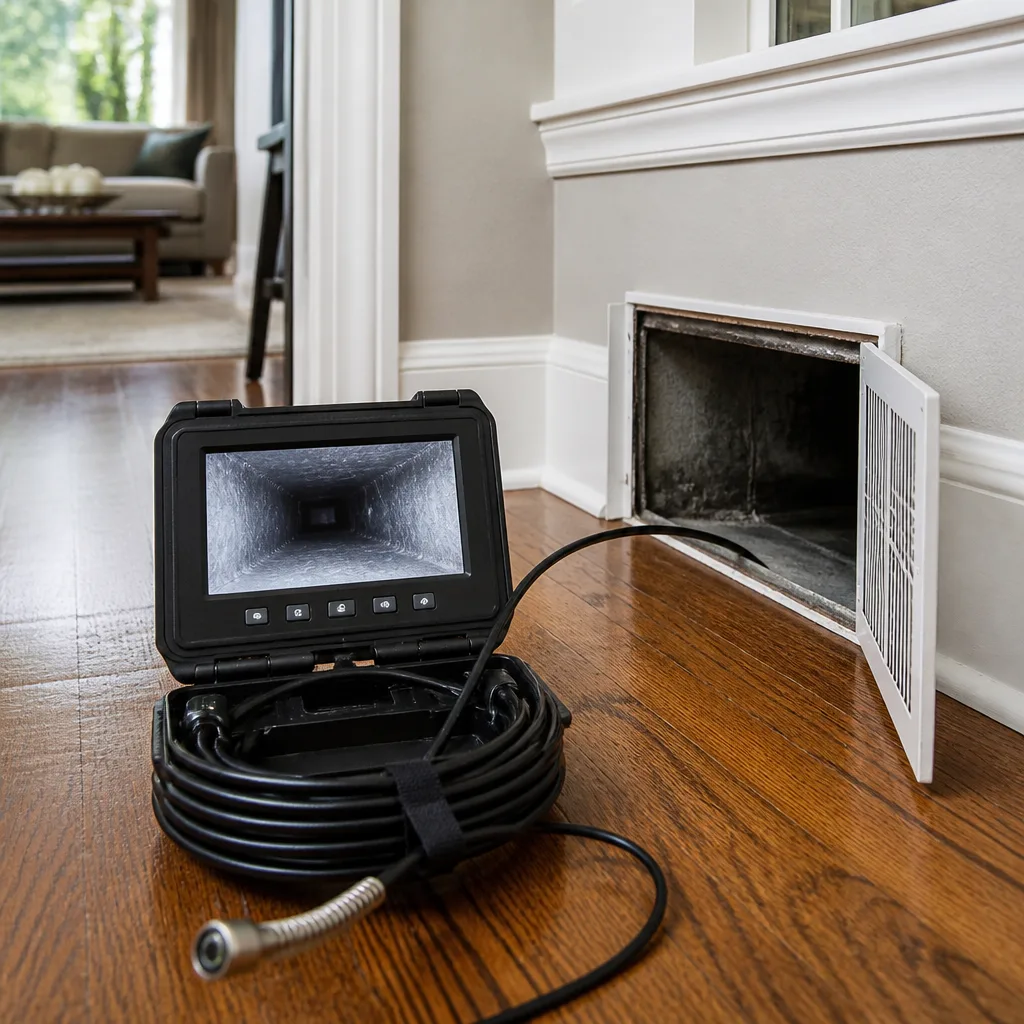 Camera inspection
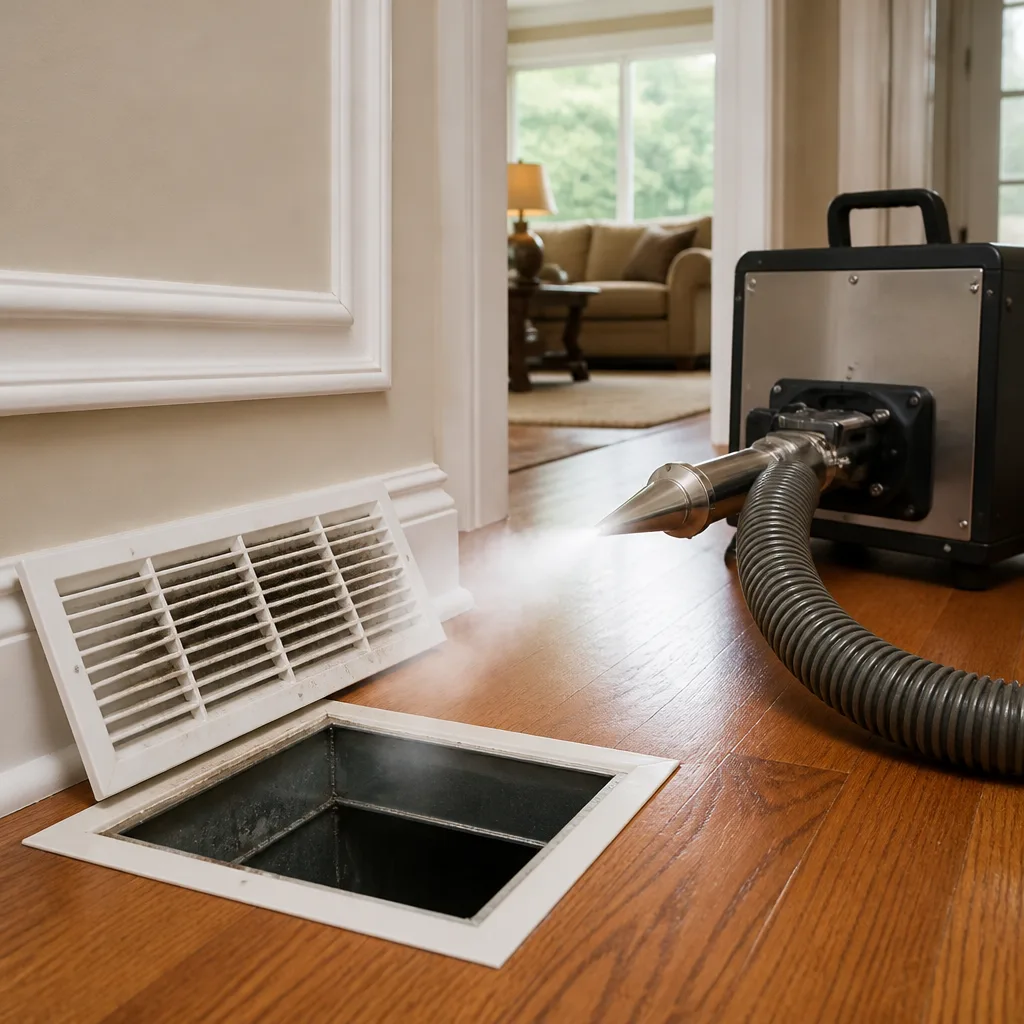 Sanitizing & deodorizing
Whole-system duct and dryer vent check with before-and-after photos - you see exactly what came out of your vents
That "$99 whole-house special" is a bait ad - the real number appears once they are in your hallway, or the "clean" is a shop-vac at the register. We photograph the inside of your ducts before and after instead.
How to Hire an Air Duct Cleaning Contractor in Tracy: A Step-by-Step Guide
Any HVAC company with a shop-vac and a website can list duct cleaning as a service. The question is never whether a contractor offers it. The question is whether they can demonstrate, before you book, that they know what they’re doing inside your ductwork. In a market with almost no barrier to entry, hiring becomes a vetting problem, not a price-comparison problem. This guide gives you an interview framework: the equipment questions to ask, the credentials to verify, the walkthrough that should happen before any flat-rate number is quoted, and the red flags that show up in the Tracy market specifically. By the end, you’ll know exactly what disqualifies a contractor before they ever set foot in your crawlspace.
Styles & brands we work with
- Whole-home duct cleaning
- Dryer vent cleaning
- Camera inspection
- Sanitizing & deodorizing
Quick Answer
To hire an air duct cleaning contractor in Tracy, verify three things before you discuss price: the company uses truck-mounted or portable negative-pressure equipment with HEPA filtration, the technician inspects your system and confirms access points before quoting a flat rate, and the written agreement spells out the process and the equipment used. A contractor who can’t answer equipment-specific questions clearly is guessing about your system. Ask the five equipment questions below first; the answers will tell you more than any coupon ever will.
Table of Contents
- Why Vetting Matters More Than Price in Tracy
- The Five Equipment Questions That Disqualify a Contractor
- NADCA Membership vs. NADCA Certification: Why the Distinction Matters
- What a Legitimate Pre-Job Walkthrough Looks Like
- Red Flags Specific to the Tracy Market
- What a Service Agreement Should Explicitly Include
- How to Verify a Contractor in Three Phone Calls
- Common Mistakes to Avoid
- When to Call a Professional
Why Vetting Matters More Than Price in Tracy
Duct cleaning sits in an unusual regulatory gap. In most of California, there is no state license class specifically for duct cleaning. The work falls loosely under general HVAC contracting rules, which means the barrier to entry is low enough that nearly anyone with a vacuum and a vehicle can advertise the service. That’s the core problem you’re solving when you hire in Tracy.
Price comparison is the wrong first move because duct cleaning is not a commodity. Two quotes for the same house can reflect completely different scopes of work: one contractor runs a contact brush through the main trunk and calls it done in under an hour; another sets up negative pressure, isolates the system, cleans every branch line and register boot, and photographs the before-and-after. The low quote isn’t a discount on the same job. It’s a different, smaller job wearing the same label.
In our experience working duct systems across Tracy, the difference between a $99 coupon and a genuine whole-system cleaning shows up in the equipment list. Consumer-grade vacuums cannot generate enough negative pressure to keep dislodged debris from drifting back into the living space. Commercial contact-brush systems paired with HEPA-filtered negative pressure can. That’s the technical line, and it’s the line this guide teaches you to check.
There’s a local angle too. Tracy sits in the northern San Joaquin Valley, and the valley’s air quality has its own character. Long dry summers, dust from surrounding agricultural land, and seasonal inversions that hold particulate matter low in the valley all mean the dust your system pulls in is finer and more persistent than in coastal or mountain climates. A thorough cleaning that removes settled debris from the full system matters more here than in places where the outdoor air is cleaner. You can read more about our approach on the Duct Cleaning Tracy main page.
The Five Equipment Questions That Disqualify a Contractor
These five questions separate equipment-serious contractors from fly-by-night operators. Ask them exactly as written, over the phone, before you accept any quote. A confident, technically literate contractor answers them in plain language. A weak one deflects, gets vague, or changes the subject to price.
- “What negative-pressure equipment will you set up, and does it exhaust through a HEPA filter?” The right answer names specific equipment types, including a HEPA-rated exhaust filter. If the answer is “a big shop-vac” or the contractor doesn’t understand the question, disqualify immediately. Negative pressure without HEPA filtration simply relocates the dust into your attic or living room.
- “Do you use a contact-brush system or air-only cleaning?” Contact-brush cleaning, like the Rotobrush system, mechanically scrubs the interior duct walls. Air-only “blowouts” push loose debris around without removing the caked-on layer that actually harbors allergens and microbial growth. Brush contact is the industry standard for thorough mechanical removal.
- “How do you isolate the system and seal registers before you start?” A legitimate answer describes sealing supply and return registers, isolating the HVAC unit, and controlling airflow so debris travels only toward the collection equipment. A contractor who can’t describe isolation is going to contaminate your home during the job.
- “Do you take before-and-after photos or video inside the ducts?” Documentation is the difference between verifiable work and a promise. Anyone with a phone can show you before and after images. If a company resists this request, that tells you everything.
- “What happens if you find damaged or disconnected duct sections?” This is the question that separates clean-only companies from full-scope contractors. Some operators clean and leave; others clean, identify compromised sections, and repair them as part of the same visit. We offer air duct repair as a standalone service for precisely this reason.
Any single failed answer is grounds to keep looking. Two or more is a hard pass.
NADCA Membership vs. NADCA Certification: Why the Distinction Matters
The National Air Duct Cleaners Association, usually called NADCA, publishes the industry’s assessment, cleaning, and restoration standard. Many homeowners treat “NADCA member” and “NADCA certified” as the same thing. They’re not, and the difference affects accountability.
Membership is a company-level affiliation. A business pays dues, agrees to a code of ethics, and gets access to training resources and standards documents. It signals good faith. It does not certify that any individual technician on the job has passed an exam or demonstrated hands-on competence.
Certification, by contrast, is earned by individuals who complete NADCA’s training and testing. An Air Systems Cleaning Specialist credential attaches to a person, not a company. When you hire a certified contractor, you’re getting verified competence at the technician level, which is where the work actually happens.
How to verify both:
- Ask the company directly: “Are you a NADCA member, and do you have certified technicians on staff?” Note that these are two separate questions.
- Ask for the name or credential class of the technician who will be on-site, then check the association’s public directory independently.
- Understand what membership obligates the company to: the code of ethics and standards adherence are the accountability mechanism, and they only mean something if the company takes them seriously.
Affiliation without certification isn’t disqualifying, but it changes your interview. If the company can’t show certified technicians, lean harder on the equipment and process questions above. The tools and the demonstrated procedure tell you more about the outcome than any logo on a van.
What a Legitimate Pre-Job Walkthrough Looks Like
A contractor who doesn’t inspect your system before quoting a flat rate is guessing, not measuring. That’s the single most useful principle in this guide. The walkthrough is the site-specific assessment that turns a generic price into a real one, and a serious contractor performs it before any number is finalized.
Here’s what a proper walkthrough involves:
- Access-point inventory. The technician locates supply and return registers, the air handler, the main trunk line, and any accessible branch runs. They note where access panels must be cut or opened to reach sections that aren’t already accessible.
- System condition survey. They check for disconnected sections, crushed flex duct, visible microbial growth, rodent activity, and signs of moisture intrusion. A compromised section is a repair issue, not just a cleaning issue.
- Filtration review. They inspect your current filter setup and the return-air configuration. This is where filtration upgrades like Aprilaire media cabinets enter the conversation.
- Scope discussion. They walk you through exactly what will be cleaned, how access will be gained, and what the collection equipment setup will look like in your home before the price is set.
- Written estimate. The final price is written down, tied to the scope you just discussed, and agreed before work starts. One flat price for the system, not a per-vent meter that ticks up as the job goes.
If a contractor quotes you a flat rate over the phone without ever seeing the house, treat that number as a placeholder. It either gets revised upward on-site or it reflects a scope that won’t actually clean your system.
Red Flags Specific to the Tracy Market
Duct cleaning attracts more than its share of high-pressure operators, and a few patterns recur in Tracy and the surrounding valley. Watch for these:
- Low-ball coupon mailers with no equipment detail. A teaser price that’s dramatically below market is almost always a lead-in. The real cost appears after the technician arrives and “discovers” problems. A legitimate flat-rate quote is based on system scope, not a coupon number.
- Upsell pressure for mold treatment on first contact. Some operators lead with scare language about mold or “toxic” ductwork before they’ve even inspected anything. Mold remediation is a real service when contamination is actually present, but pressure to agree to it over the phone is a sales tactic, not an assessment.
- Unmarked vans and no fixed business address. Ask where the company is based and check that the address and phone number line up with public records. An operator who can’t provide a business address has no accountability if something goes wrong.
- Pressure to pay before the work is done. A legitimate contractor collects after the job, once you’ve reviewed the before-and-after documentation.
- No walkthrough, no photos, no written scope. Any one of these alone should give you pause. All three together means you’re dealing with a promise, not a process.
- “We’re in the neighborhood today” cold calls. Unsolicited door-knocking offered as a special deal is a pattern worth refusing. Reputable contractors don’t need to chase work by driving the streets of Tracy hoping for impulse decisions.
The unifying theme: a company that wants to sell you something before it has measured your system isn’t vetting-friendly. A process-driven contractor is comfortable being questioned.
What a Service Agreement Should Explicitly Include
A written service agreement protects you when the job is underway and when it’s finished. The document should name the specifics, not gesture at them. Here’s the checklist:
- Access points. Every point of entry into the ductwork, listed by location. This gives you a record of where the technician worked and a reference if you ever need to trace a problem back to the job.
- Negative-pressure equipment and HEPA filtration. The agreement should name the equipment type and the exhaust filtration rating used. A vague mention of “industry-standard cleaning” is a gap.
- Scope by system component. Supply and return registers, main trunk, branch lines, air handler cabinet. State what’s included and what’s not. One flat price per system, with the components itemized, is the form to look for.
- Repair protocol. If contamination, a disconnected section, or damaged flex duct is found mid-job, what happens? The agreement should say whether the contractor stops, documents, and quotes a repair, or whether remediation capability is built into the scope from the start.
- Documentation terms. The agreement should commit to before-and-after photos or video of your ducts, not stock images.
- Guarantee language. Write down what the satisfaction guarantee covers and how it’s honored.
If a contractor resists putting these items in writing, that’s the absence signaling the risk. A written agreement should be a modest document that simply states what’s being done, with what equipment, on what scope, and at what flat price. The lack of an agreement is the red flag. A serious contractor treats a clean, specific agreement as a formality because the substance of the work is already well-defined.
How to Verify a Contractor in Three Phone Calls
You can run the full verification framework in under half an hour. Here’s the sequence:
- Call one: the interview. Ask the five equipment questions and the NADCA membership versus certification question. Note how the person on the phone handles technical questions. Confusion is telling.
- Call two: the scheduling department. Ask what happens during the walkthrough and whether the quote is written after the inspection. Ask whether before-and-after photos are guaranteed. Ask whether the technician can perform a repair if one is needed or whether a second visit would be required.
- Call three: the proof check. Confirm the business address and phone number against public records. Ask for a reference from a recent job in the area, if the company offers one. Independently verify any certifications the company says it holds.
Notice that price comes after the vetting, not before. Once you’ve confirmed the equipment, the walkthrough process, the documentation, and the agreement terms, the flat-rate quote you receive is grounded in something real. A company that clears all three calls is the one to hire.
If you want to compare scope across the full set of services, our air duct cleaning page covers the process side, and the dryer vent cleaning page explains a closely related safety concern. For broader context on the local market, see our Tracy page.
Common Mistakes to Avoid
- Treating the lowest quote as the baseline. Two quotes for two different scopes aren’t comparable. Before you compare dollar figures, check that both contractors are quoting the same scope with the same equipment. Otherwise you’re comparing a full cleaning to a partial one.
- Skipping the equipment questions because the contractor sounded professional. Good phone manner doesn’t clean ducts. Ask the five questions even when the person on the line is warm and confident. Equipment and process are the only things that matter.
- Accepting a flat rate quoted over the phone without a walkthrough. A price that wasn’t measured against your actual system is guesswork. The number either changes when the technician sees the house, or it reflects a scope too thin to do the job.
- Agreeing to a mold remediation upsell before any inspection. If mold remediation is genuinely needed, a contractor identifies it during the walkthrough with visible evidence. Pressure before inspection is a sales tactic.
- Not asking about repair capability before booking. If the contractor cleans ducts but can’t repair compromised sections, you may end up with a clean system that leaks the moment they leave. Ask up front whether the same visit can address repair.
- Scheduling without a written agreement. The scope, equipment, and flat price should all be in writing before work begins. If they’re only verbal, you have no recourse if the job falls short.
- Judging the result from the price alone. A thorough job with visible before-and-after documentation is the only real proof. Without it, you have no way of knowing what actually happened inside your ductwork.
When to Call a Professional
Routine duct cleaning is a judgment call based on your system, your household, and how much time has passed since the last cleaning. Call a professional when you notice visible dust build-up around registers, worsening allergy symptoms in the household, a musty smell when the HVAC kicks on, or after any renovation project that generated significant dust. Pet owners and households with allergy sufferers often benefit from more frequent cleaning, and a recently purchased older home in Tracy deserves a full inspection before you trust the system.
You also need a professional when the ductwork itself is suspect: sagging flex duct, disconnected sections, crushed runs, or visible contamination inside the system. That’s where repair capability matters, and it’s why we offer it as a standalone service.
Duct Cleaning Tracy offers free estimates in Tracy. Call (866) 429-7345. We answer 24/7. Fast dispatch from 7am to 7pm, Sunday through Friday.
Frequently Asked Questions
A legitimate company answers equipment-specific questions clearly and inspects the system before quoting a flat rate. Ask the five equipment questions in this guide; a competent contractor will describe negative-pressure setup with HEPA filtration, contact-brush cleaning, isolation of registers, before-and-after documentation, and repair capability without hesitation. A company that deflects or gets vague should be ruled out before any money changes hands.
Membership is a company-level affiliation; certification attaches to individual technicians and represents verified competence through training and testing. Membership is not disqualifying, but it’s not the same as certification. Ask both questions separately: is the company a NADCA member, and do certified technicians work on the crew that will handle your home? A yes to the first with a firm answer on the second is a strong signal.
Duct cleaning in Tracy is quoted per system, not per vent, and the price should be written down after a walkthrough. A flat-rate quote from a company that has inspected your actual ductwork, noted access points, and confirmed scope is the only number that counts. Any price quoted before the walkthrough, or a coupon figure that arrives in a mailer with no equipment detail, should be treated as a placeholder. Call (866) 429-7345 for a free estimate based on your system.
Yes, when the contractor offers both as part of their service scope. Our technicians handle cleaning, dryer vent service, and duct repair with the same crew in a single appointment. That avoids the piecemeal arrangement common in the trade where a separate company has to be called back to fix a compromised section, and the repair protocol can be confirmed at the walkthrough.
A commercial-grade setup means negative-pressure equipment with HEPA filtration and a contact-brush cleaning system. Our technicians work with Rotobrush contact-brush systems and Nikro negative-pressure equipment, and we stock Aprilaire filtration upgrades for systems that need them. A contractor using only a shop-vac or a consumer-grade vacuum cannot generate enough negative pressure to keep dislodged debris from re-entering your living space.
A recently purchased older home is a specific case where a full inspection and cleaning is worth considering before you trust the system. Older ductwork may have been compromised over the years, may contain disconnected or crushed sections, and previous owners may have deferred cleaning. The walkthrough is the right starting point, and any needed repair can be scoped at the same time. Call (866) 429-7345 for a free estimate.
The Bottom Line
Hiring a duct cleaning contractor in Tracy is a vetting problem. The industry’s low barrier to entry means sound professional phone manner and a clean website tell you nothing. What matters is whether the contractor can describe, in specific terms, the equipment they’ll use, the walkthrough they’ll perform before quoting, and the written agreement they’ll hand you. Ask the five equipment questions, verify NADCA membership and technician certification separately, and treat any avoided question as a disqualifier. If every answer checks out, the flat-rate quote that follows is grounded in real inspection. Duct Cleaning Tracy offers free estimates in Tracy; call (866) 429-7345 to start the conversation.
Written by the team at Duct Cleaning Tracy.
See the difference
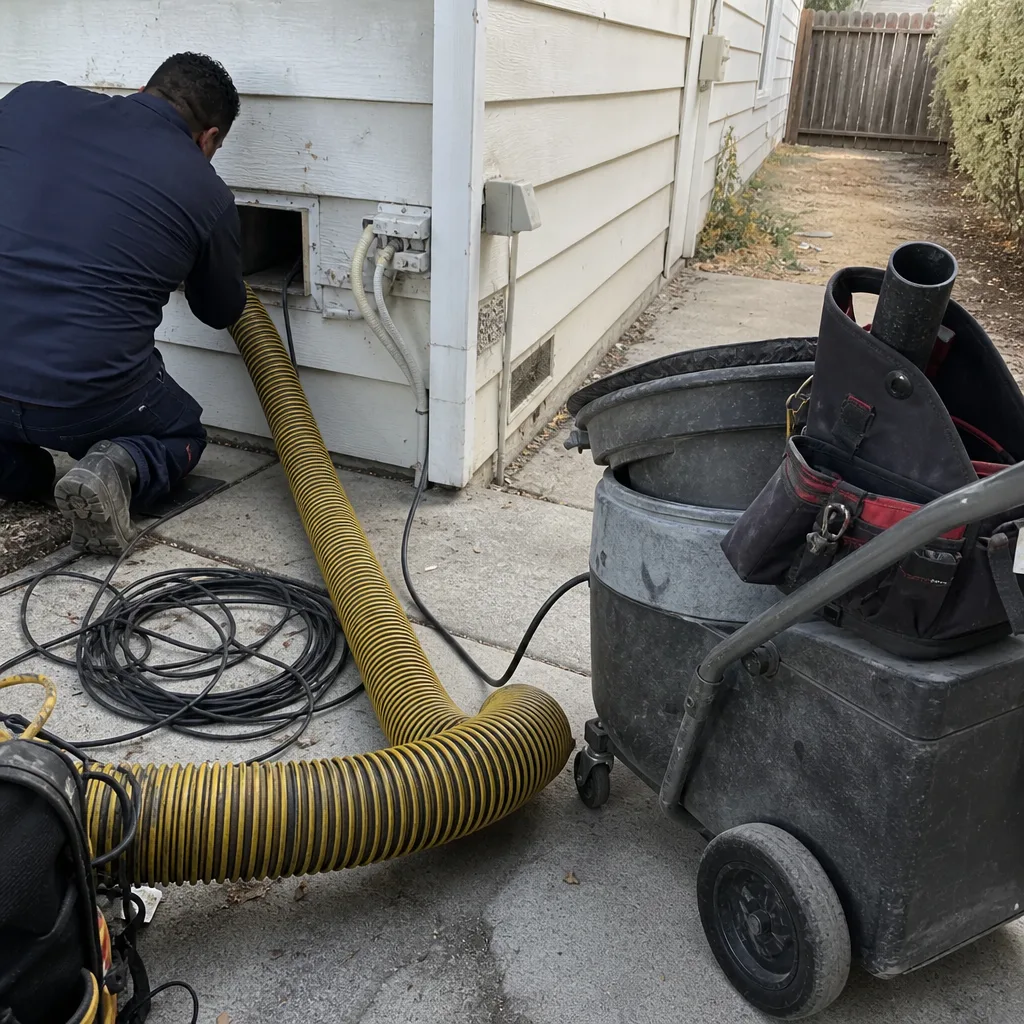 Before
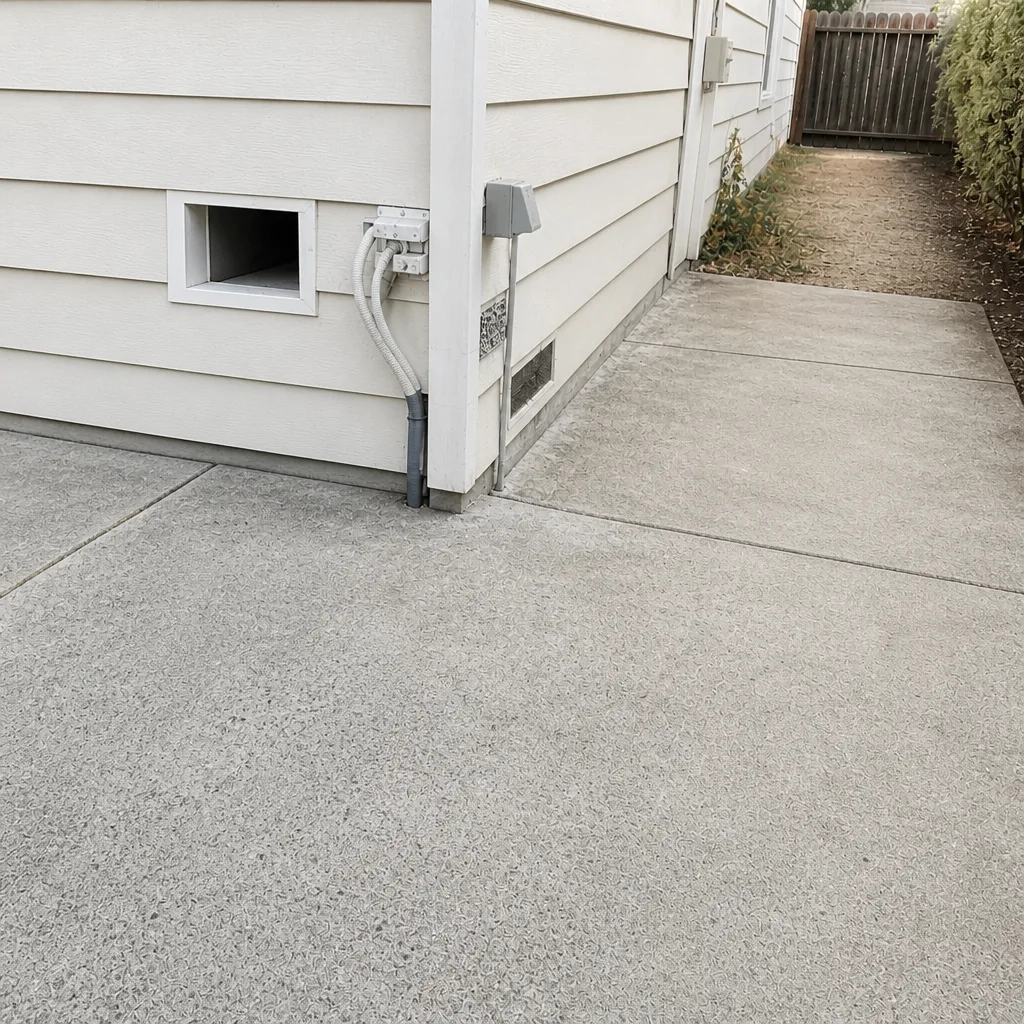 After
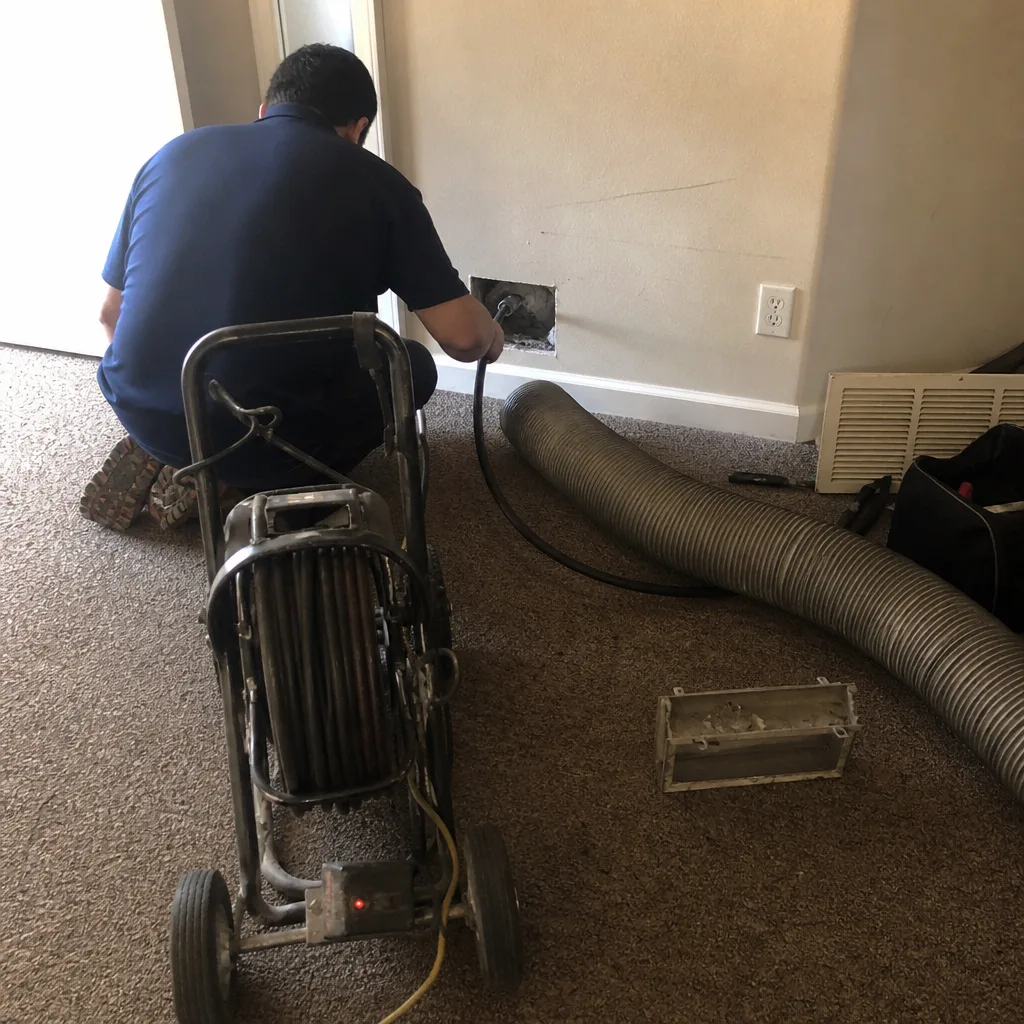 Before
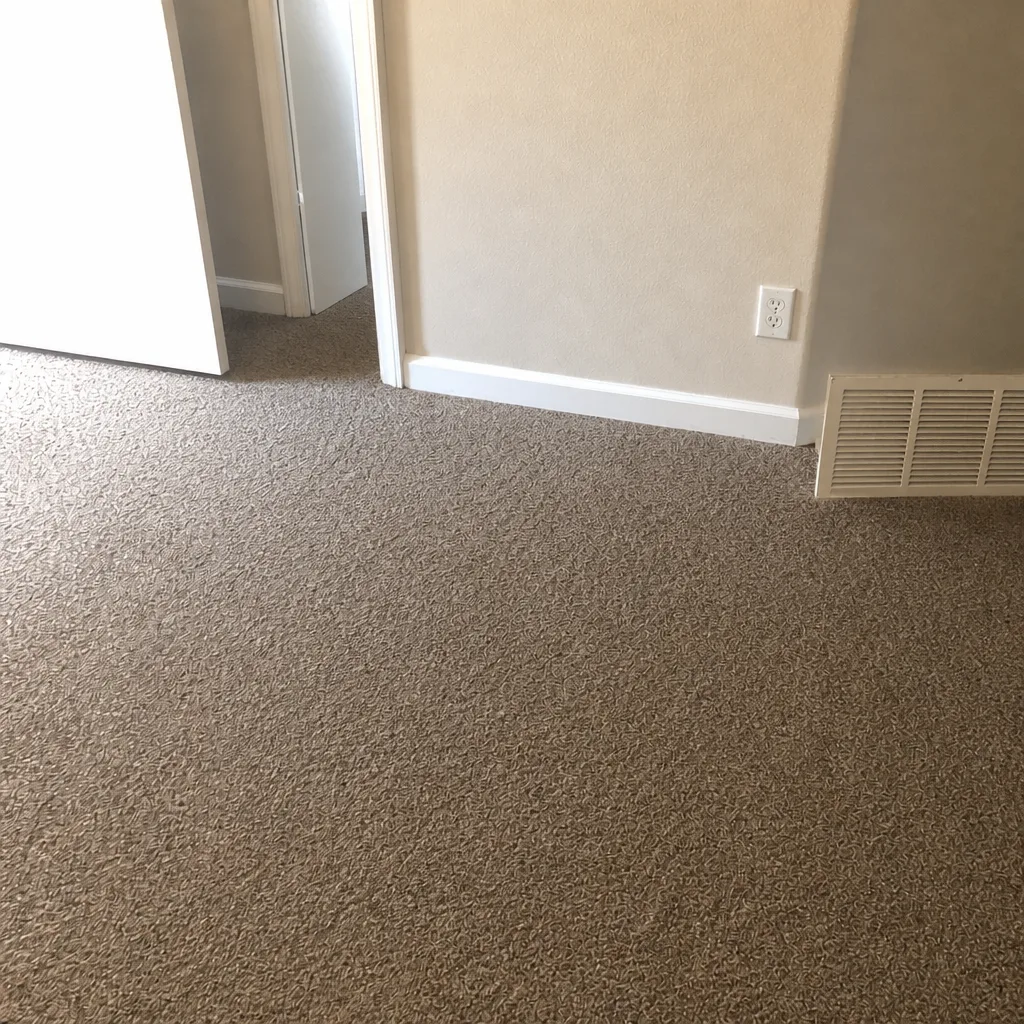 After
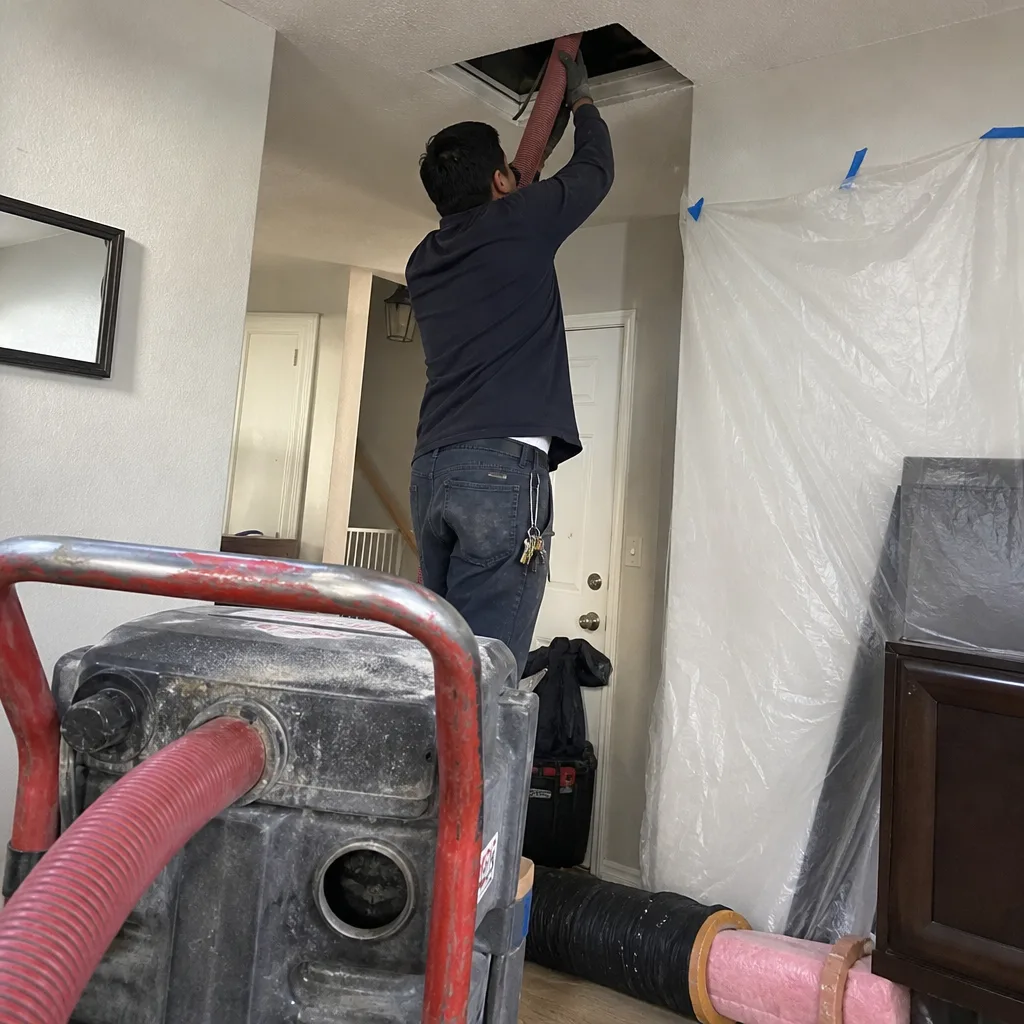 Before
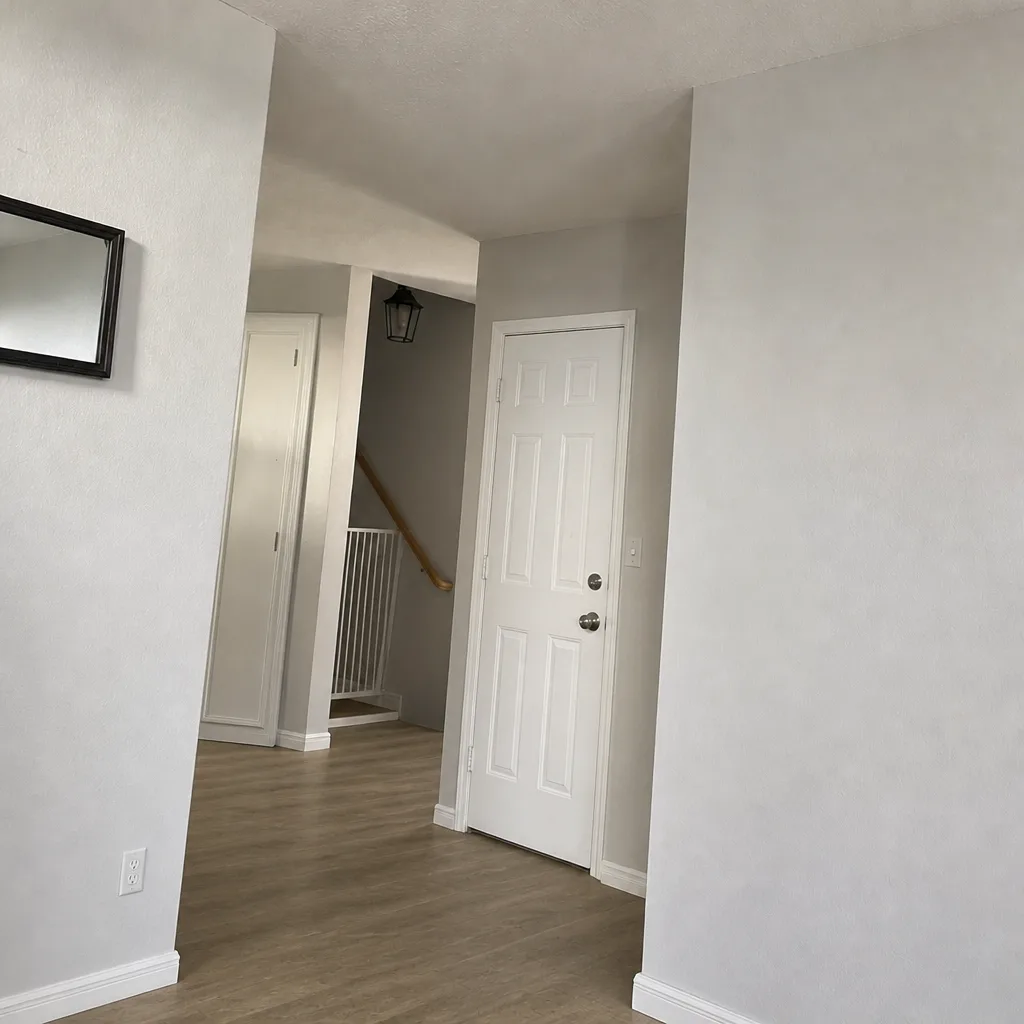 After