
Last updated November 15, 2026
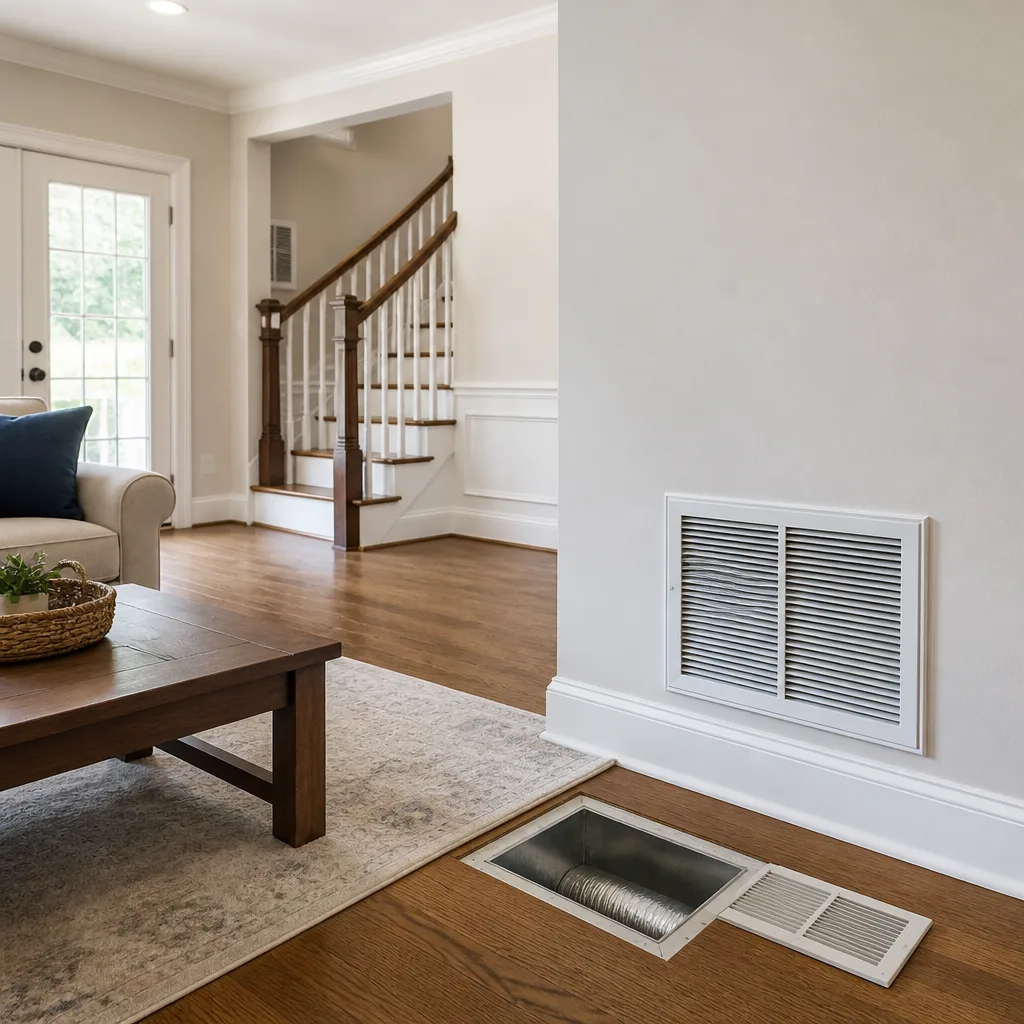 Whole-home duct cleaning
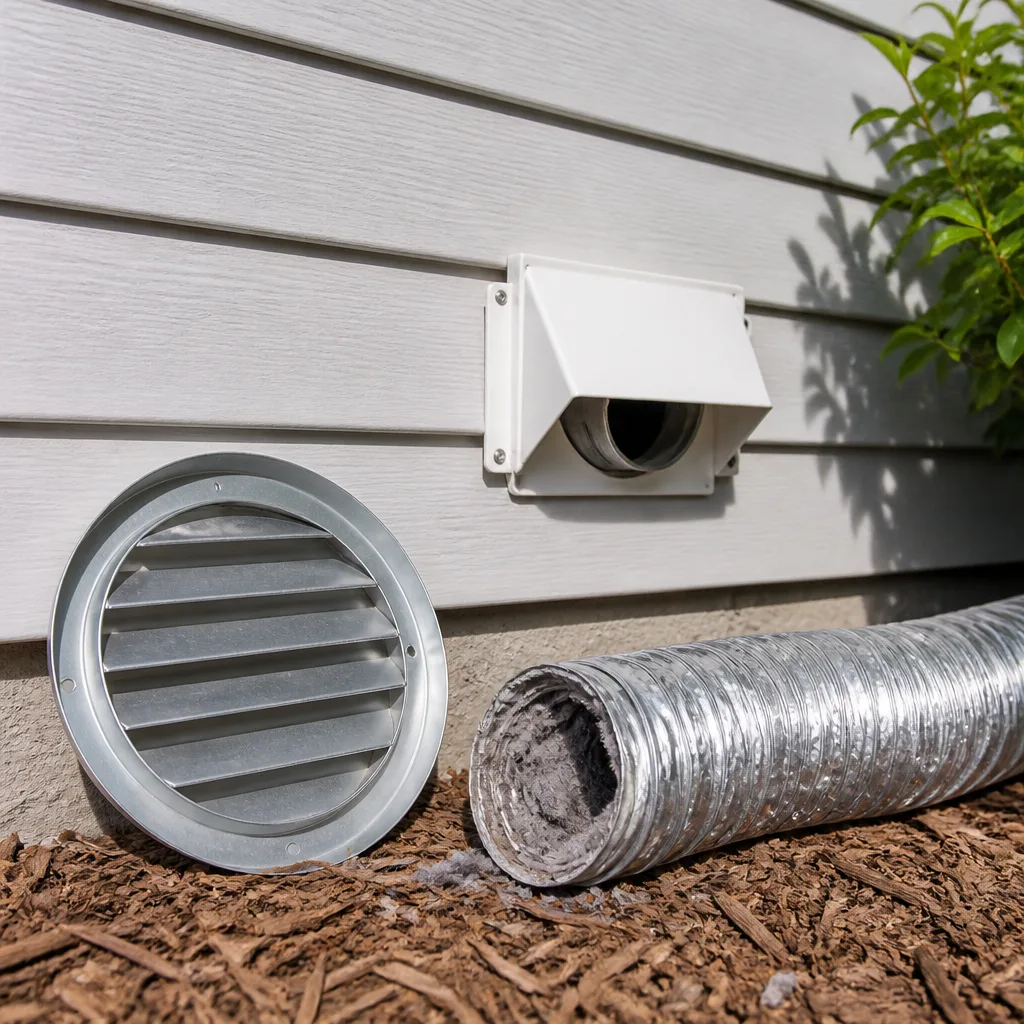 Dryer vent cleaning
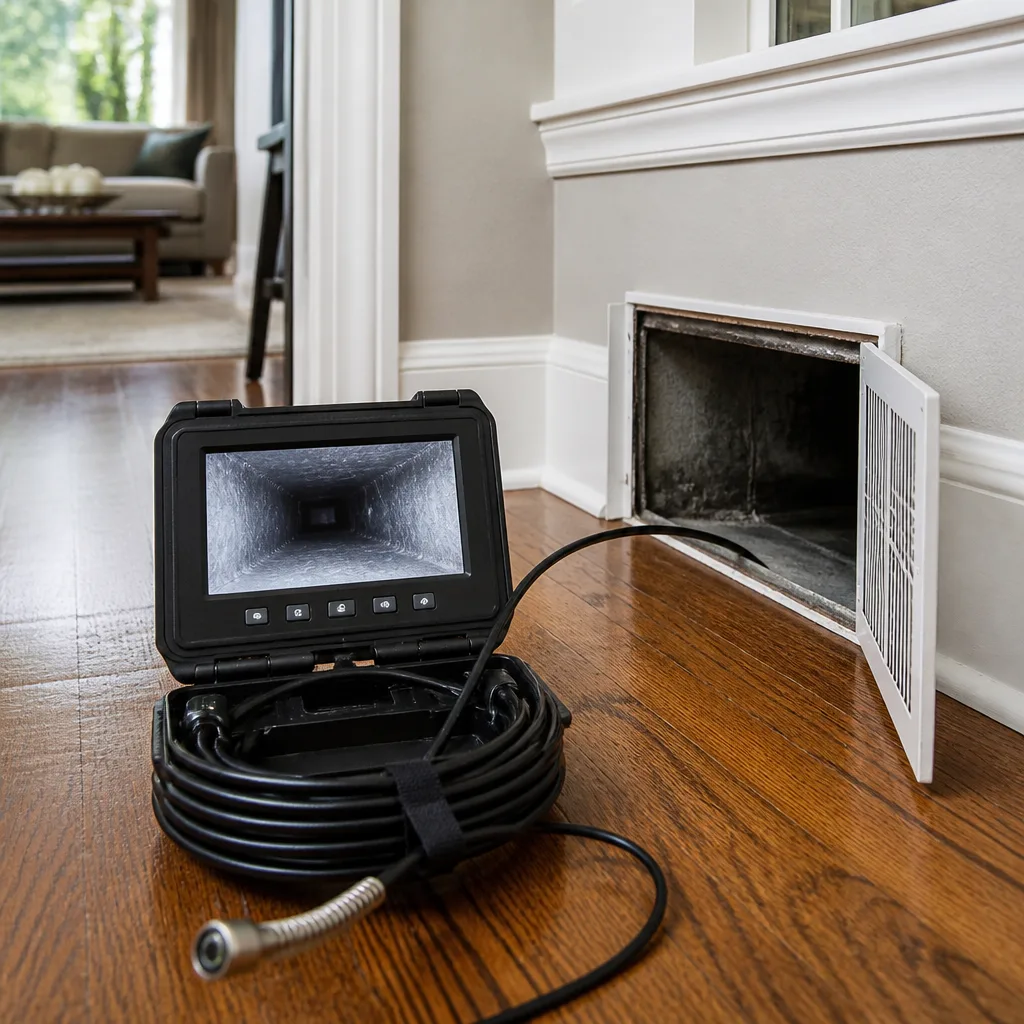 Camera inspection
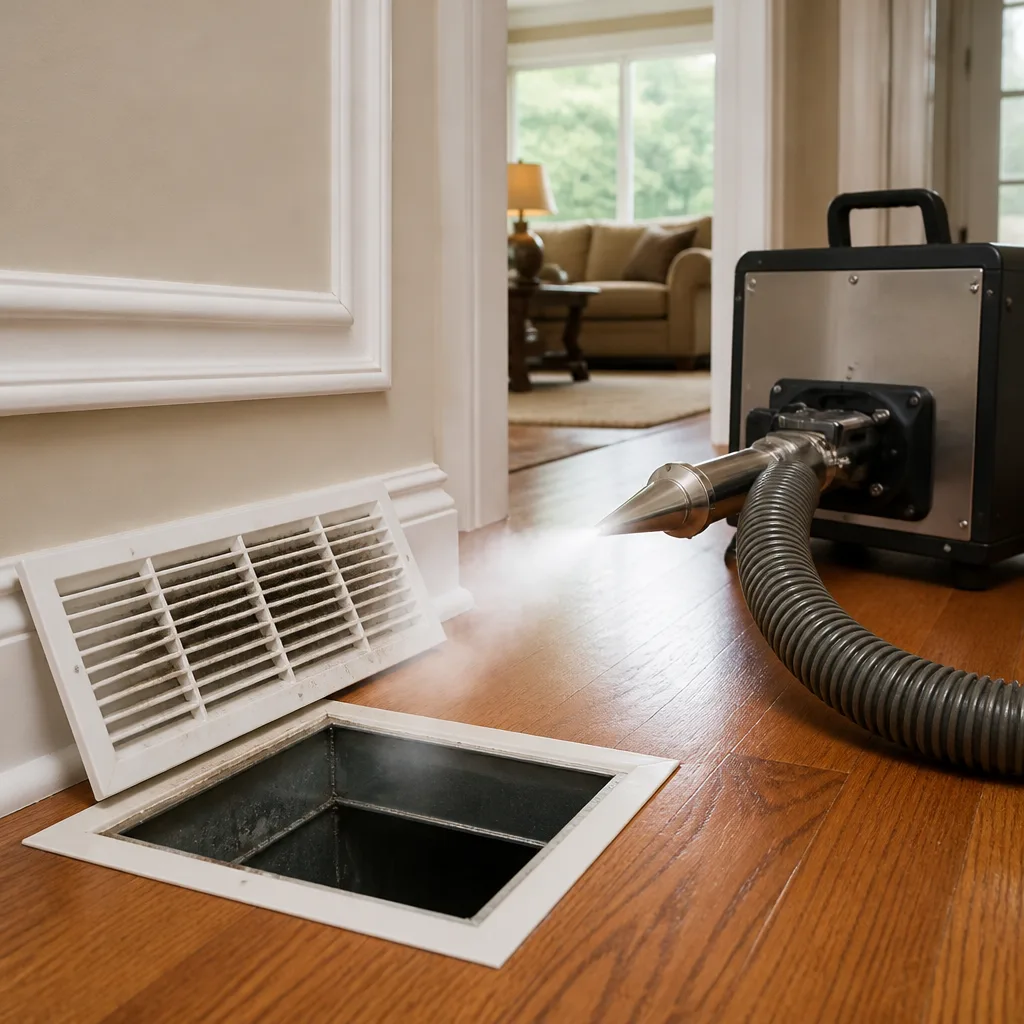 Sanitizing & deodorizing
Whole-system duct and dryer vent check with before-and-after photos - you see exactly what came out of your vents
That "$99 whole-house special" is a bait ad - the real number appears once they are in your hallway, or the "clean" is a shop-vac at the register. We photograph the inside of your ducts before and after instead.
Air Duct Cleaning Emergency Preparedness Guide for Tracy Homes
When smoke rolls into the valley or the ground shakes hard enough to rattle the windows, the instinct is to run the HVAC system to clear the air inside. That instinct is backwards. A forced-air system that keeps running during and after a smoke event pulls fine particulate and combustion byproducts straight into the return, then pushes them out of every supply register in the house. Running the fan doesn’t clean anything. It spreads the problem. This guide is about doing the right things in the first 48 hours after a wildfire smoke event, a water intrusion, or a seismic event here in Tracy, so that the duct system doesn’t turn a bad week into a long-term indoor air quality problem.
Quick Answer
In an emergency, shut the HVAC system down before you do anything else, because running it distributes contaminants through the whole duct network. Once the event has passed, the correct order is assessment, then emergency mitigation within 48 hours for smoke, 72 hours for water intrusion, and full remediation afterward. Duct cleaning in Tracy after an emergency is not the same job as routine maintenance, and treating the two as identical is how homeowners end up paying twice.
Styles & brands we work with
- Whole-home duct cleaning
- Dryer vent cleaning
- Camera inspection
- Sanitizing & deodorizing
Table of Contents
- Why Tracy Ducts Trap Emergency Contaminants
- Wildfire Smoke Protocol: The AQI Trigger Points
- Water Intrusion and the 72-Hour Window
- Earthquake Response: What to Inspect First
- How to Document Your Duct System Before Emergency Season
- Emergency Mitigation vs. Full Remediation
- A Step-by-Step Post-Event Checklist
- When to Call a Professional
Why Tracy Ducts Trap Emergency Contaminants
A duct system is a reservoir. That’s the part homeowners don’t always think about. Every cubic foot of air that moves through the house passes through it, and whatever that air carries can settle on the interior surfaces of the sheet metal, the flex duct liner, the plenum, and the evaporator coil. Under normal conditions the accumulation is slow. During an emergency event, it’s fast.
Tracy sits in a place where two specific hazards intersect: it’s within a seismically active zone, and it sits downwind of wildfire-risk corridors in the surrounding hills and the broader region. Those two facts don’t usually appear in the same conversation about HVAC. They should, because they produce two very different kinds of duct contamination, and the cleanup response to each is different.
Smoke events deliver fine particulate, ash, and combustion byproducts. The particles that matter most are the small ones, because they stay suspended in air long enough to travel deep into the duct network and because they deposit on surfaces you can’t see. Seismic events deliver a different problem: physical disruption. Older homes in established Tracy neighborhoods often have flex duct connections at the plenum and at branch takeoffs that can partially separate under movement. A joint that was tight doesn’t necessarily stay tight. That creates an attic bypass path, which means air from the attic (insulation fibers, dust, pest debris) gets pulled into the conditioned airstream.
Water intrusion is the third category, and it’s the one with the shortest clock. More on that below.
None of these are reasons to panic. They’re reasons to have a plan written down before the emergency season starts, which is what the rest of this guide is about.
Wildfire Smoke Protocol: The AQI Trigger Points
This is the section most homeowners need first, so here it is in the order the decisions actually get made.
Before the smoke arrives
When regional air quality forecasts begin calling for smoke intrusion, the time to act is before the AQI climbs. Change the filter. Check that the filter you’re using is seated correctly in the rack with no gaps around the edges, because an unseated filter is a bypass, and a bypass means the filter isn’t doing the job you think it’s doing. If your system uses a Honeywell or Aprilaire filter cabinet, verify the filter size on the cabinet label rather than guessing.
When the AQI climbs
There are two decision points that matter, and they’re worth committing to memory:
- AQI 100 to 150 (unhealthy for sensitive groups): switch the thermostat from AUTO to FAN ON only if you have a high-efficiency filter installed and properly seated, and close the fresh-air intake if your system has one. If the filter is a basic fiberglass panel, run the fan as little as possible. A cheap filter passes the fine fraction straight through.
- AQI above 150 (unhealthy and up): switch the system to recirculation mode, close the outdoor air damper, and shut the system down entirely if you can’t confirm the filter’s condition. This is the point where running the fan can make indoor air worse than outdoor air, because you’re redistributing what’s already in the ducts.
When the event has passed and the AQI returns to normal, the question becomes whether the duct system needs inspection. Here’s the rule we’d suggest: if the smoke event lasted more than a day and you ran the system at any point during it, or if you can smell smoke when the system first starts up, an inspection is necessary rather than optional. That odor is the system telling you where the deposits landed.
When the system smells like smoke afterward
A lingering smoke smell after the outdoor air clears is the single most reliable indicator that contamination has settled inside the system rather than on top of furniture. It typically concentrates at the return plenum and the evaporator coil, both of which are difficult to reach and impossible to clean with a shop vacuum. That’s the point where professional air duct cleaning becomes the right call, because the equipment required is negative-pressure containment plus a contact-brush system, not a household vacuum.
Water Intrusion and the 72-Hour Window
Water in a duct system is a clock, not a stain. Once moisture gets into sheet metal or flex duct, microbial growth can establish itself quickly, and the timeline matters more than most homeowners realize. The practical window for response is 72 hours. Inside that window, drying and cleaning is usually enough. Past it, you’re dealing with established growth, and the job changes.
Older Tracy neighborhoods present specific risks here. Homes built decades ago may have duct systems that run through spaces where a slow leak goes unnoticed: under slab in some configurations, through wall chases, or in attic runs where a disconnected joint lets humid air condense on cool metal. The visible water stain on a ceiling tells you where the water came out, not where it traveled. Ductwork can carry moisture horizontally for a surprising distance before it shows.
What to do in the first 72 hours:
- Stop running the system. Turn the thermostat to OFF, not to FAN. Running a wet system distributes spores.
- Identify and stop the water source before anything else. Cleaning a duct system that’s still getting wet is wasted effort.
- Photograph everything you can reach – the water staining, the duct connections, the filter, the plenum. You’ll need it for the insurance claim.
- Get air moving in the space around the ducts. Fans in the room, not in the ducts.
- Call for an assessment. Duct systems that have been wet need to be opened and inspected, not just dried from the outside.
If the water event was significant, the cleaning protocol includes antimicrobial treatment and may require equipment above the ordinary cleaning setup. That’s why we keep Abatement Technologies air filtration equipment in the toolkit: situations with elevated allergen or mold concerns call for filtration capacity beyond what a routine cleaning job needs.
Earthquake Response: What to Inspect First
After a seismic event in Tracy, the checklist most homeowners run through covers gas lines, water heaters, and anything tall that could fall over. The duct system usually isn’t on the list. It should be, for one specific reason: older flex duct connections can partially disconnect at joints under movement.
A partial disconnect doesn’t announce itself. The system still runs, air still comes out of the registers, and nothing looks wrong from inside the house. What’s actually happening is that the system is now pulling air from the attic or crawlspace instead of from the return, and that air carries insulation fibers, dust, and whatever else is in that space. You may notice reduced airflow at distant registers, or dust settling faster than usual, or a smell you can’t place. Those are the tells.
Here’s a quick pre-check before you call anyone:
- Walk the accessible duct runs in the attic or garage and look for separated joints, sagging flex, or duct sections resting on debris.
- Check that the supply registers all have similar airflow. One weak register on a branch that used to be strong is a clue.
- Look at the plenum connection at the air handler, which is a common point of separation.
- Note any new dust accumulation around the air handler cabinet or in the return grille area.
Don’t climb into a damaged attic or move compromised ductwork yourself. If you see separation, leave it and get it assessed. Reconnecting duct is not a hard job for a technician, but it’s an easy way to get hurt for a homeowner on a ladder in a dark attic after an earthquake. We handle air duct repair as a standalone service precisely because this situation is common enough to deserve its own category – most duct-cleaning companies note a problem and leave, and then the homeowner has to find someone else to actually fix it. We clean it and fix it in the same visit.
How to Document Your Duct System Before Emergency Season
This is the part nobody does until after the claim gets denied. Insurance adjusters ask for documentation of the pre-loss condition of a duct system, and if you can’t produce it, the argument about what was damaged and what was already like that gets harder. The good news is that documenting takes about fifteen minutes and you can do it once a year.
What to capture:
- Photos of every accessible duct run. Attic, garage, utility closet, and the air handler cabinet. Wide shots plus close-ups of the connections.
- The date of your last professional duct cleaning. Keep the invoice or service record. If you’ve never had one, note the system’s install date instead.
- System age and model information. The data plate on the air handler gives you the model and serial. Photograph it.
- Filter type and size. Photograph the filter in place with the size label visible.
- Any prior repairs. If a duct section was replaced or sealed, record it.
Store those photos somewhere you’ll actually find them: cloud storage, an email to yourself, a folder in your phone. Date the folder. Adjusters respond well to documentation with a clear date on it.
The other reason to do this before emergency season is that it gives you a baseline. If you know what your duct system looked like in a clean state, you’ll notice when it doesn’t look like that anymore. That’s hard to do from memory.
Emergency Mitigation vs. Full Remediation
These are two different jobs, and compressing them into one visit is one of the most common reasons post-emergency duct work gets done incompletely.
Emergency mitigation is what has to happen immediately to stop further damage. It’s the shutdown, it’s the containment, it’s the removal of standing water or the source of contamination, and it’s the initial drying. It’s about stopping the clock.
Full remediation is what follows: thorough mechanical cleaning of the entire duct system, treatment where necessary, verification that the contamination is gone, and repair of any compromised sections. It’s about restoring the system to a known condition.
Why they can’t be rushed together:
- Mitigation decisions depend on conditions that are still changing in the first 48 hours. Cleaning a duct system while the outdoor air is still heavy with smoke means the system loads right back up.
- Remediation needs a dry system. Cleaning wet ductwork doesn’t remove the growth, it disperses it.
- Structural repair, when needed, has to come before final cleaning, or the cleaning has to be redone at the repaired section.
A full-system approach matters here. Routine cleaning, dryer vent service, and air duct repair all touch the same ductwork, and a single appointment that addresses the whole system produces a better result than three visits that each handle one piece. We use Rotobrush contact-brush cleaning for the mechanical removal and Nikro negative-pressure equipment to capture what gets dislodged before it can re-enter living space. Commercial-grade equipment, residential pricing. The point isn’t the brand names, it’s that the equipment is built for the volume of contaminant an emergency event produces, not the volume a routine maintenance job produces.
A Step-by-Step Post-Event Checklist
Print this, or save it to your phone. It’s the order to do things in when an event has just passed.
- Shut the system down. Thermostat to OFF. Not to FAN, not to AUTO. Off.
- Assess the source. Is the event still ongoing? If smoke is still in the air or water is still entering, mitigation hasn’t started yet.
- Photograph everything. Before you clean anything. The documentation is worth more than the cleanup right now.
- Check accessible duct connections for physical separation. Look, don’t touch. Note what you see.
- Smell test. Turn the fan on briefly and note whether the air smells like smoke, mustiness, or nothing. Then turn it back off.
- Call for an assessment. For smoke events, within 48 hours. For water intrusion, within 72 hours. For seismic events with visible separation, before you run the system again.
- Replace the filter. Do this after the assessment, not before. A fresh filter installed during an active smoke event just loads up immediately.
- Confirm the scope in writing before work starts. One flat price per system, agreed in advance. Photos before and after.
One note on the last item. The single biggest complaint homeowners have about this trade is the low advertised price that turns into a much larger invoice once the technician is on site. We don’t do per-vent pricing and we don’t quote a teaser number. The written estimate sets the final price, and you see before-and-after photos of your own ducts, not stock images.
Common Mistakes to Avoid
- Running the HVAC to “clear the air.” This is the mistake almost everyone makes. It distributes contamination through every register in the house, and it’s the single most avoidable error in a smoke event.
- Cleaning ducts while the event is still happening. If smoke is still in the outdoor air, a cleaning will simply load the system back up within days. Wait for the air to clear, then clean.
- Skipping the inspection because the system “seems fine.” Duct contamination is invisible from inside the house. The smell test and the airflow check are the only signals you get, and both are indirect.
- Treating a partial flex duct disconnect as a minor issue. In Tracy’s older homes, a joint that separates pulls attic air into the conditioned airstream continuously, not just once. It’s a chronic problem disguised as a cosmetic one.
- Cleaning wet ductwork. Cleaning a wet system disperses microbial growth instead of removing it. Dry first, then clean, then verify.
- Not documenting before the event. Adjusters ask for pre-loss condition, and a phone full of dated photos is the difference between a straightforward claim and a difficult one.
- Hiring on price alone and getting per-vent pricing. A per-vent price tells you nothing about whether the whole system gets cleaned. Ask for a whole-system written estimate before work starts.
See the difference
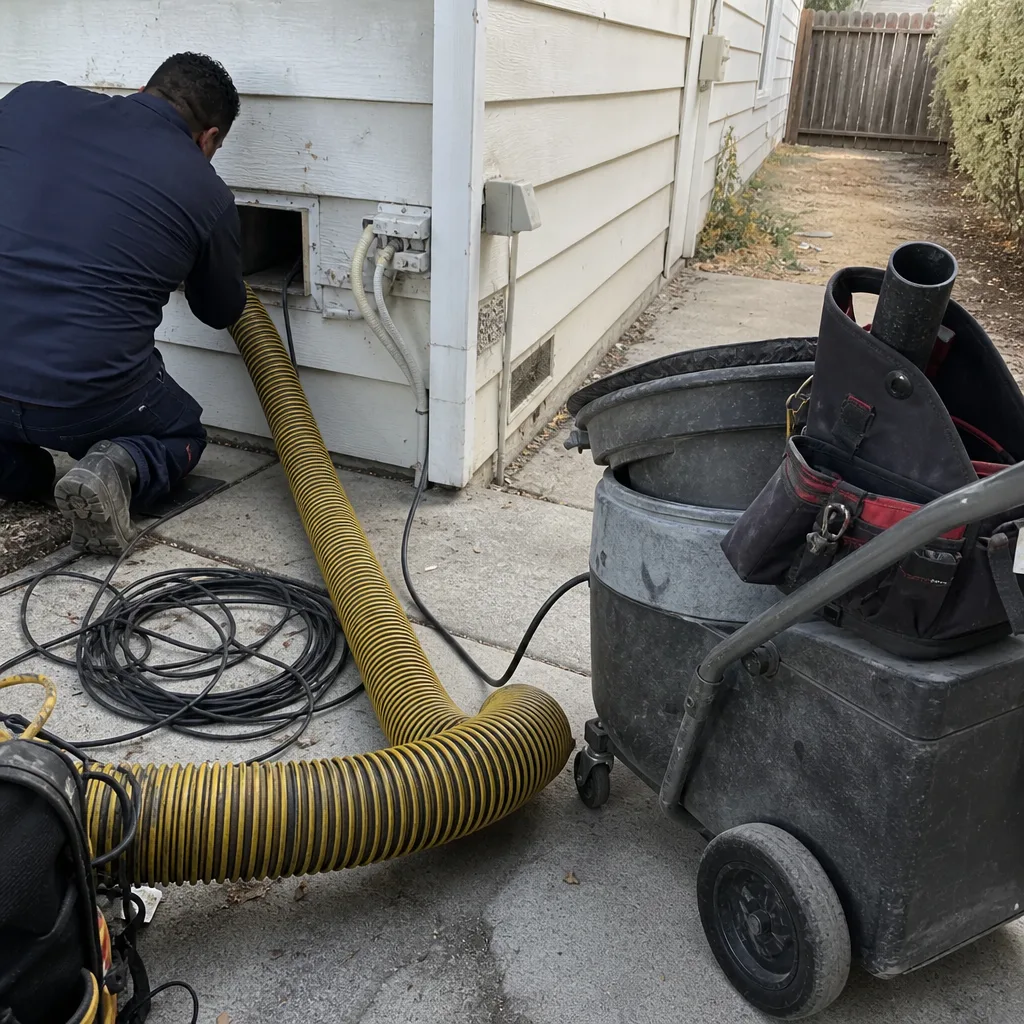 Before
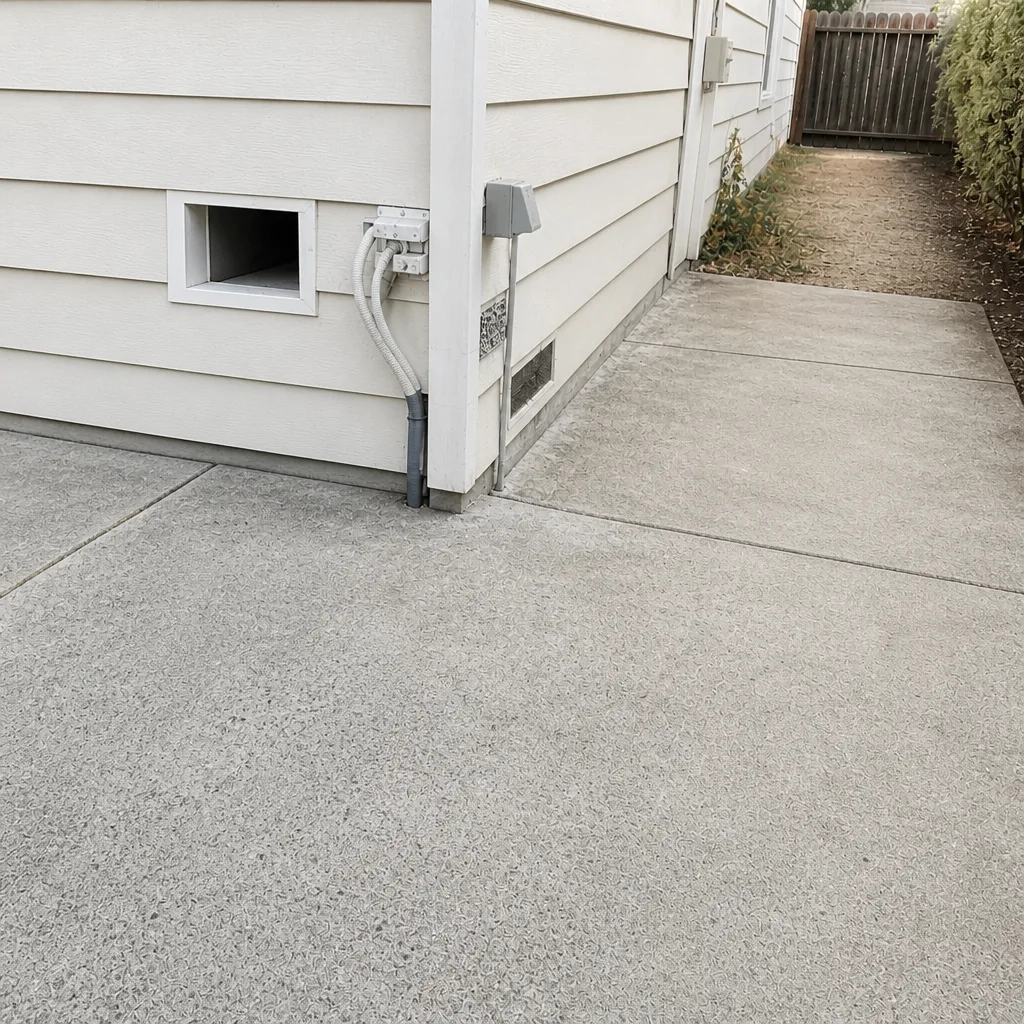 After
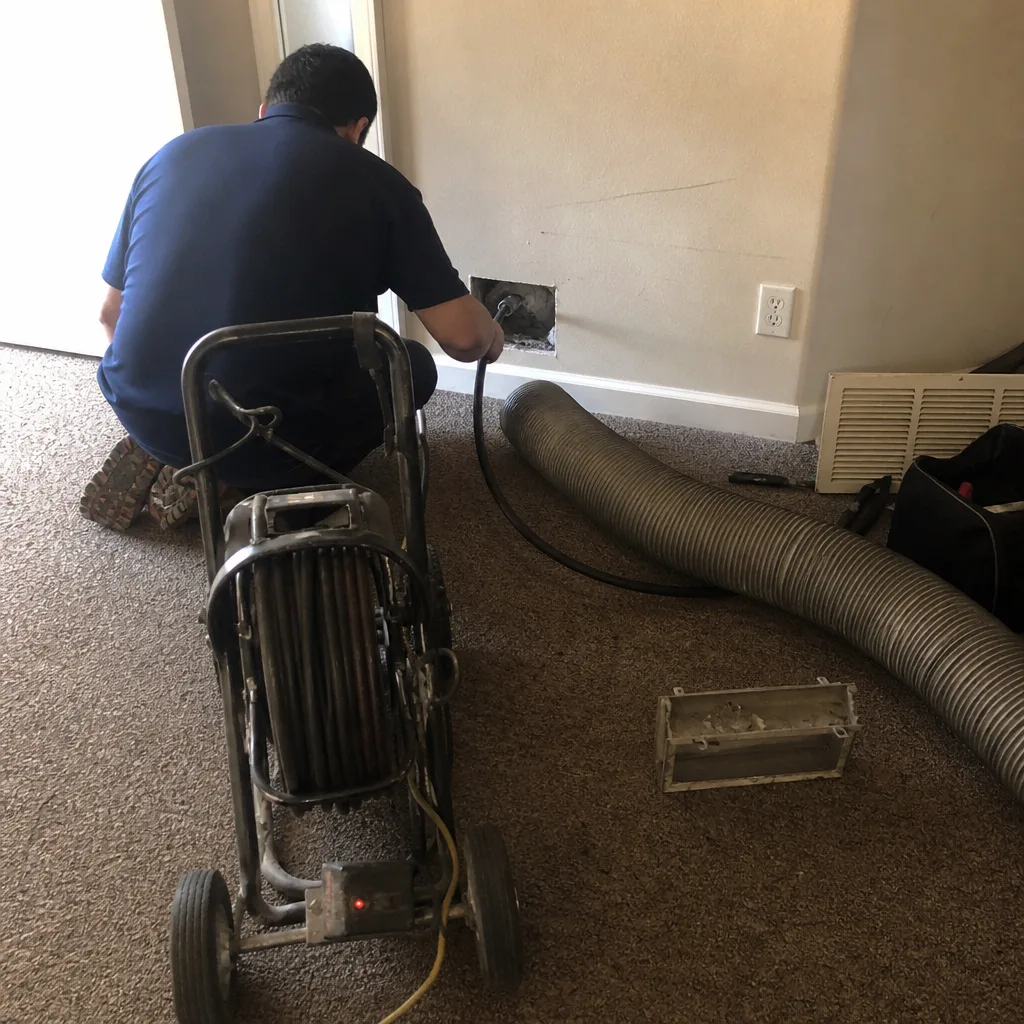 Before
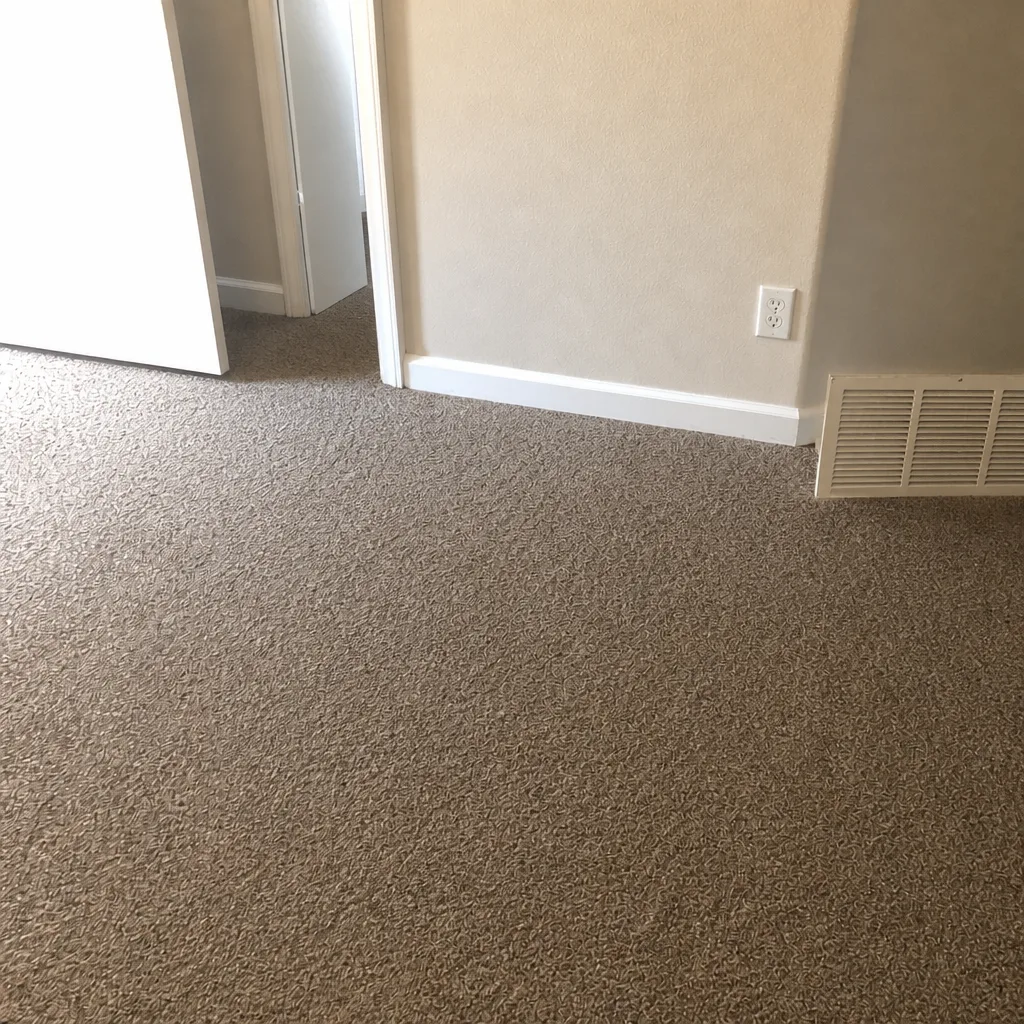 After
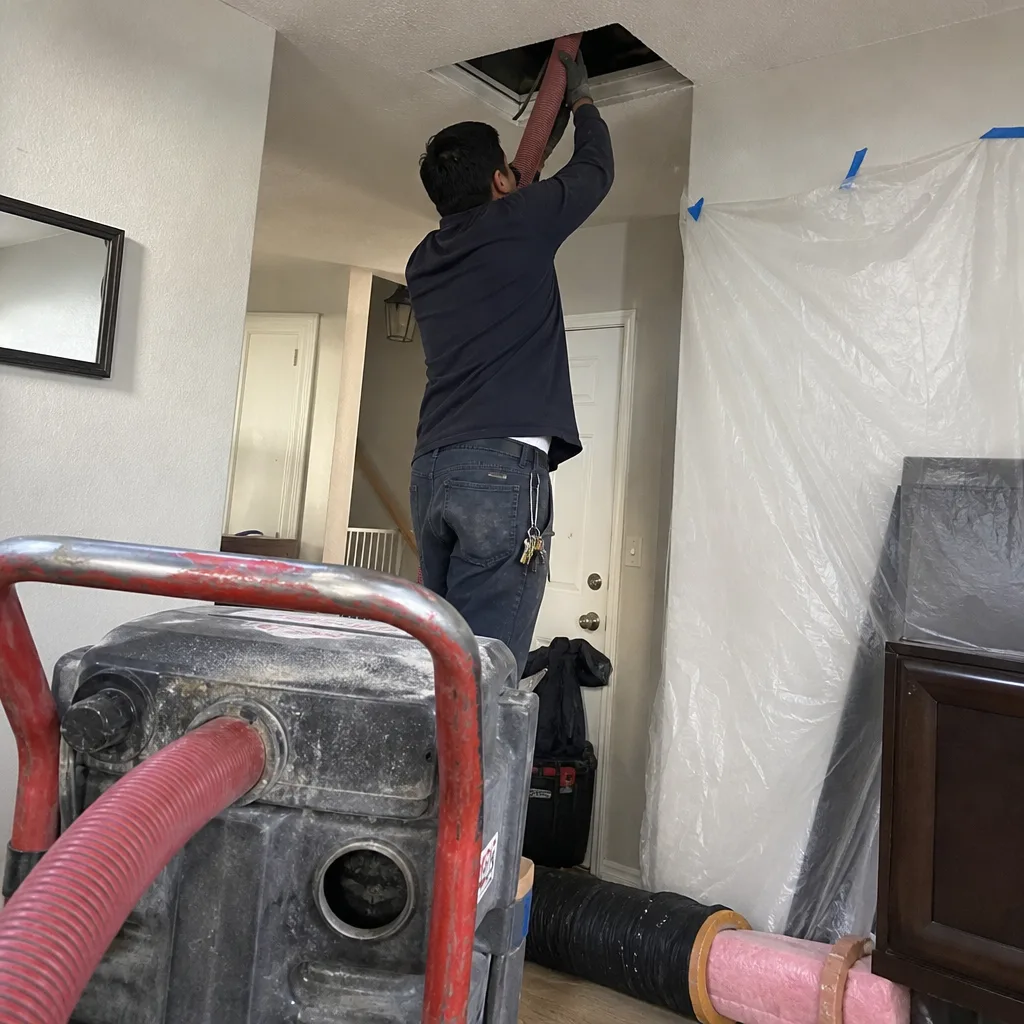 Before
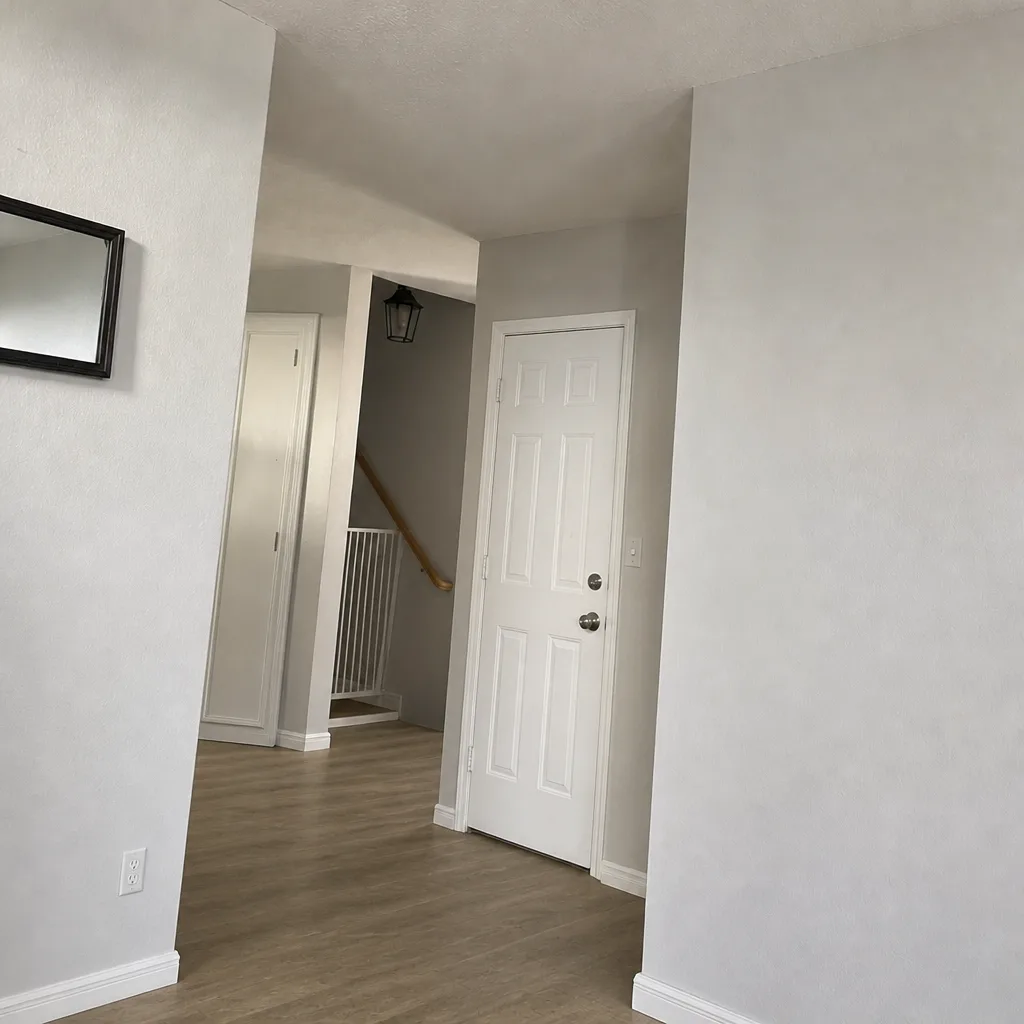 After
When to Call a Professional
Some situations call for a professional assessment and some genuinely don’t. Call us when: you can smell smoke or mustiness through the registers after an event has passed; you’ve had water intrusion anywhere near the air handler or duct runs; you see or suspect a separated flex duct connection; your system was running during a significant smoke event for more than a day; anyone in the household has respiratory or allergy concerns and the air quality hasn’t returned to normal; or it’s simply been long enough that you don’t know the condition of the system. We’d rather assess a system that turns out to be fine than clean up a problem that got worse. Duct Cleaning Tracy offers free estimates in Tracy – call (866) 429-7345. We answer 24/7. Fast dispatch from 7am to 7pm, Sunday through Friday.
Frequently Asked Questions
Within 48 hours of the outdoor air clearing, if the system ran during the event or if you can smell smoke through the registers. Cleaning while smoke is still in the air wastes the effort, because the system loads back up. The 48-hour figure is about getting to the contamination before it settles deeper into the flex duct liner and the evaporator coil. Call (866) 429-7345 for an exact quote – estimates are free.
It depends on the number of systems in the home, the accessibility of the duct runs, and whether remediation is involved, which is why we price per system by written estimate rather than quoting a headline number. Routine whole-system cleaning and post-emergency remediation are different scopes of work with different equipment requirements. The honest answer is that we can’t give you a real number without seeing the system – and anyone who quotes one without looking is guessing. Call (866) 429-7345 for a free estimate.
Usually because the scope is smaller than it appears, or because the equipment is consumer-grade rather than commercial. A vacuum and a brush on a stick will reach the plenum and the first few feet of each run. It won’t reach the full length of the branches, and it won’t capture what it dislodges without negative-pressure containment. When the low quote turns into a larger invoice on site because the technician “found more,” that’s often per-vent pricing meeting reality. We give one flat price per system, agreed before work starts.
Before-and-after photos of your own ducts, taken during the visit. That’s the whole answer. A cleaning that can’t be documented with photos of your system is a cleaning you have no way to verify. We take them as part of the job, not on request.
For a typical home with a properly sealed system and a well-maintained filter, every few years is reasonable. Emergency events reset that clock: a significant smoke event, a water intrusion, or a seismic event with duct disruption all call for an assessment regardless of when the last cleaning was. Homes with pets, allergy sufferers, or recent major renovations tend toward the shorter end of the interval. Call (866) 429-7345 and we can talk through your specific situation.
Often, if the contamination is tied to a covered event like a structure fire or water damage, though smoke events and coverage details vary by policy and carrier. This is exactly why the pre-event documentation in this guide matters: dated photos of the system’s condition before the event make the claim conversation much simpler. We can work with your insurer and provide the documentation from our end. Ask your carrier about your specific policy before assuming either way.
The Bottom Line
The window after an emergency is short, and the actions taken in it decide whether a duct system recovers or develops a long-term problem. Shut the system down first. Document before you clean. Smoke events get 48 hours, water intrusion gets 72, and seismic events get an inspection before the system runs again. Keep the emergency mitigation and the full remediation as separate steps, because rushing them together is how work gets done incompletely. And keep your pre-event documentation current, because that’s what protects you when the claim conversation starts. If you’ve got questions about your system in Tracy, or you want a free estimate before emergency season, call (866) 429-7345. We answer 24/7. Fast dispatch from 7am to 7pm, Sunday through Friday. Learn more about our Tracy service area and our dryer vent cleaning work while you’re planning your seasonal checklist.
Written by the team at Duct Cleaning Tracy.