
Last updated November 15, 2026
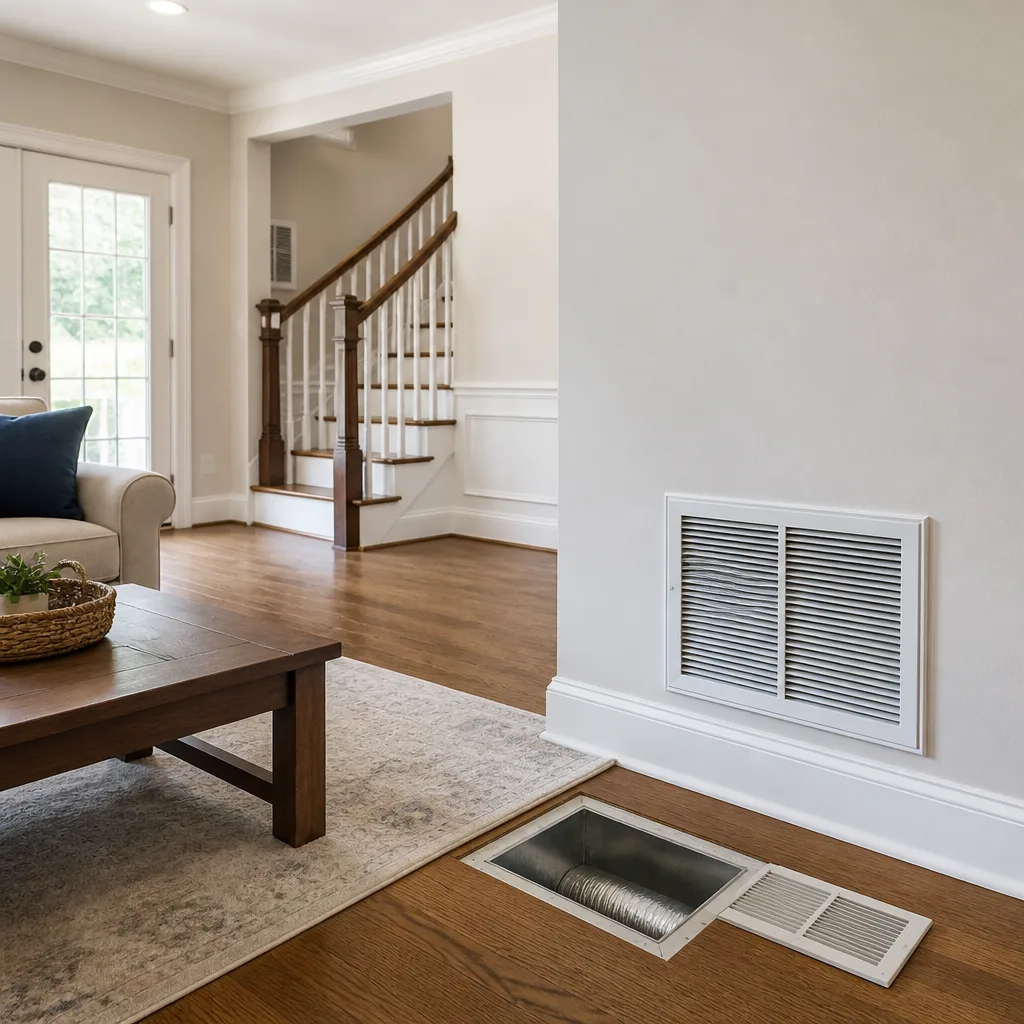 Whole-home duct cleaning
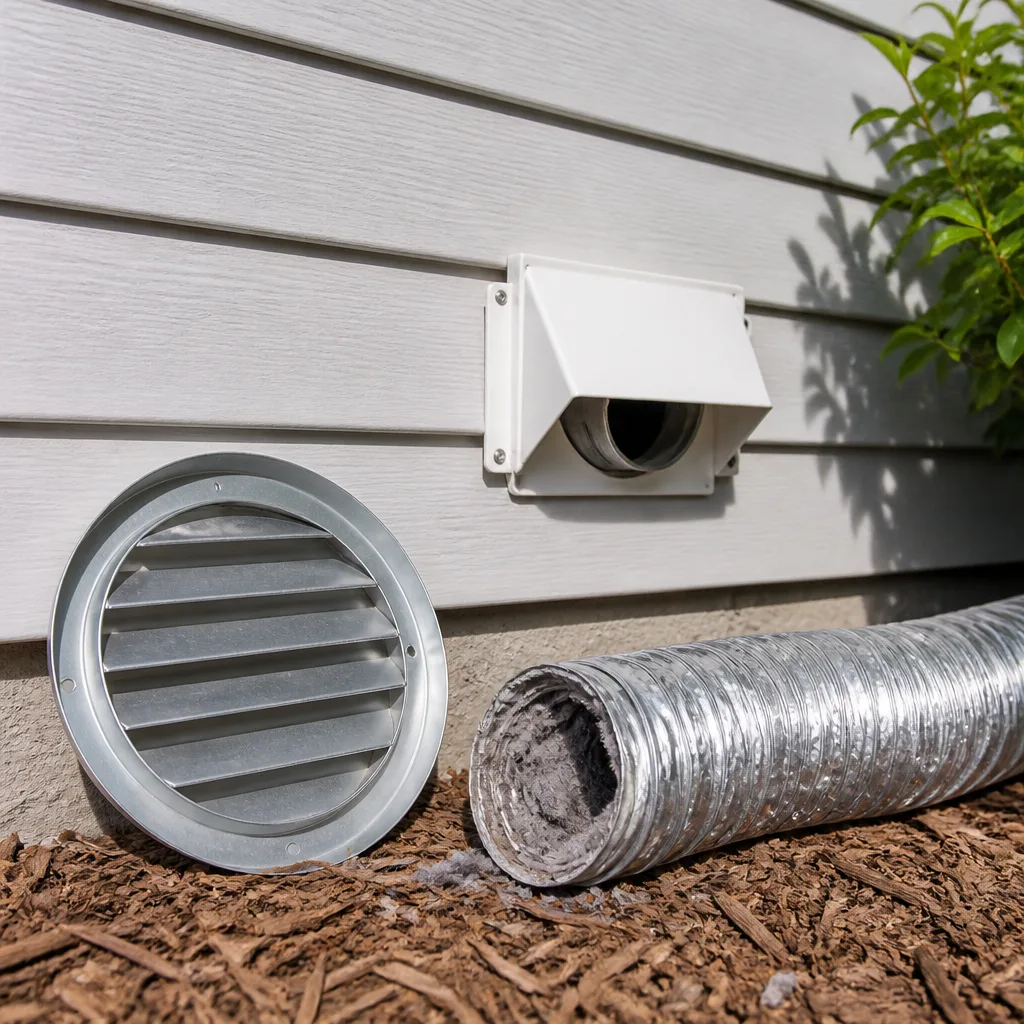 Dryer vent cleaning
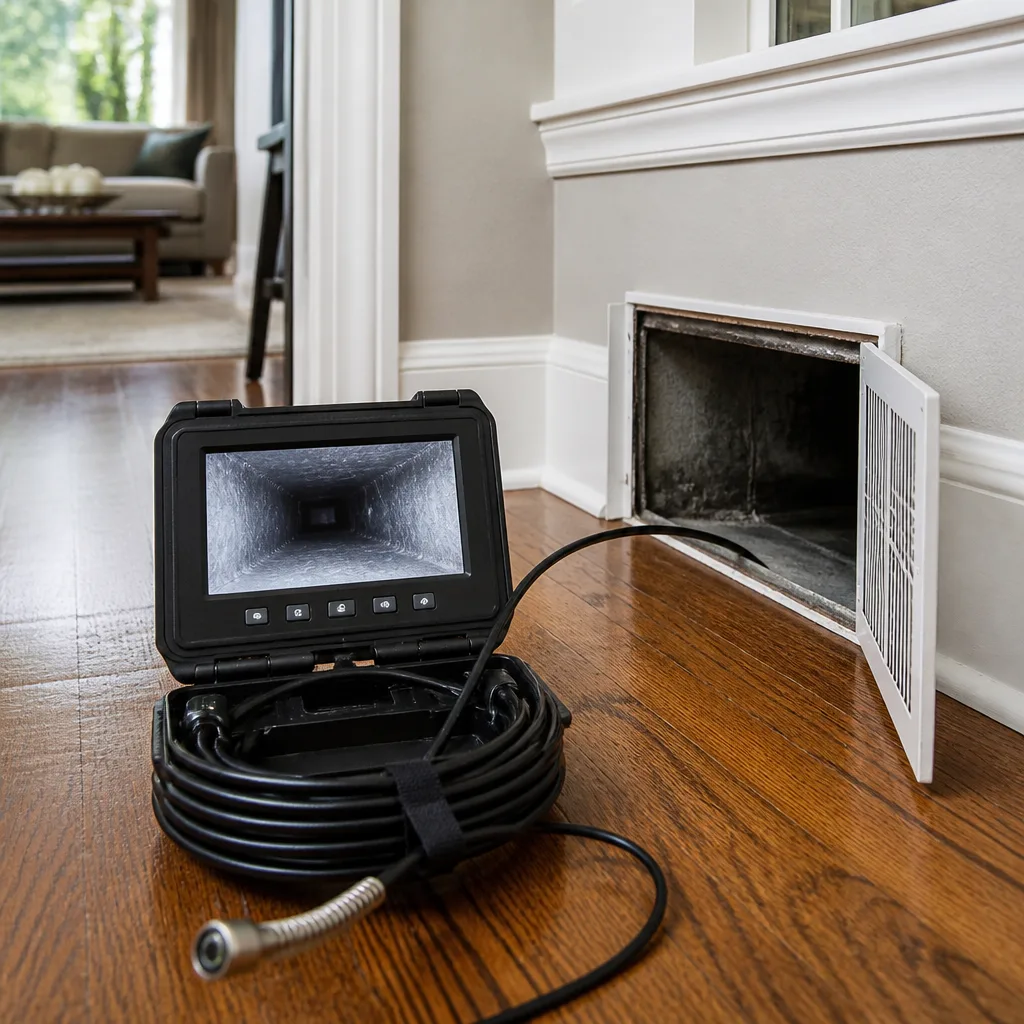 Camera inspection
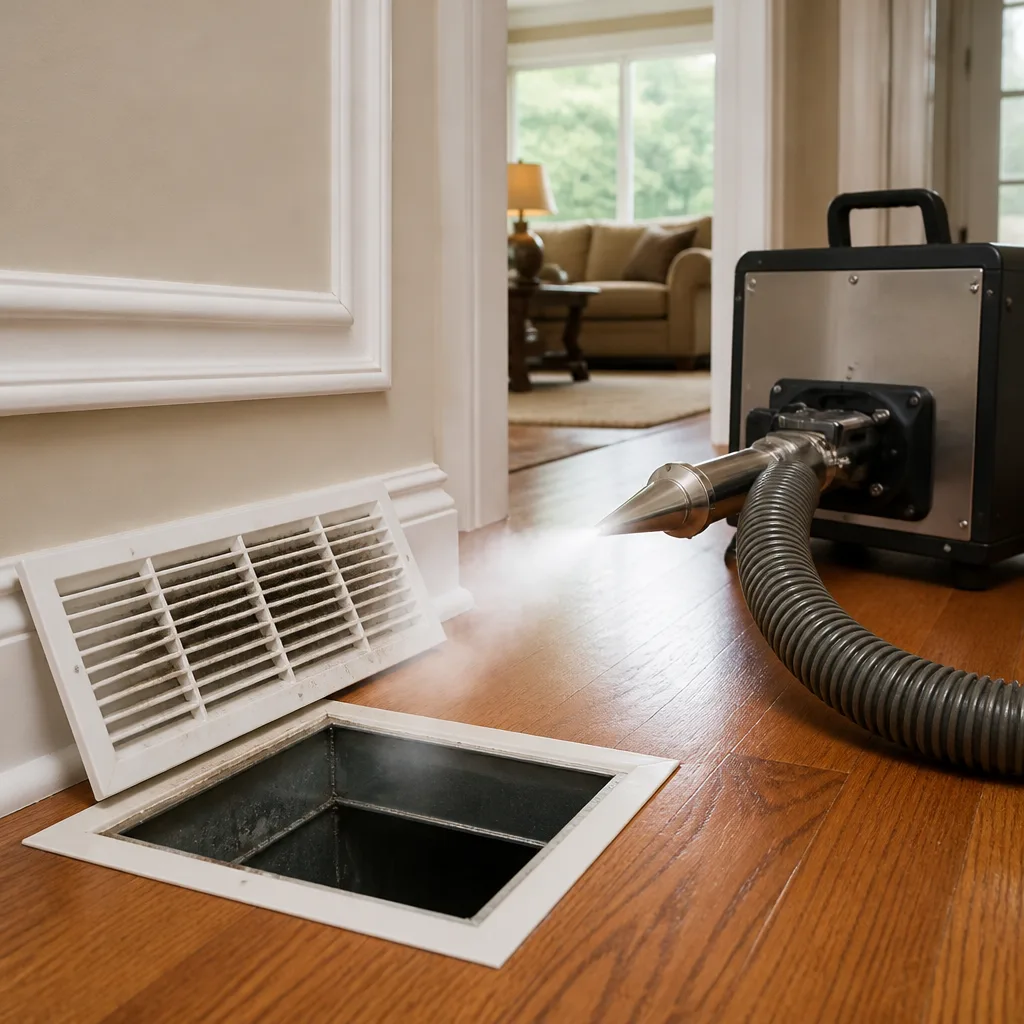 Sanitizing & deodorizing
Whole-system duct and dryer vent check with before-and-after photos - you see exactly what came out of your vents
That "$99 whole-house special" is a bait ad - the real number appears once they are in your hallway, or the "clean" is a shop-vac at the register. We photograph the inside of your ducts before and after instead.
Air Duct Cleaning Maintenance Schedule: What to Do and When
The most common advice about duct cleaning is that you should do it every three to five years. In Tracy, that number is close to meaningless. The Central Valley pulls fine agricultural particulate and wind-driven soil into return-air systems at a rate most national guides never account for, so a fixed calendar interval tells you almost nothing about your own ductwork. What actually works is a layered schedule: frequent filter work, annual visual checks, static pressure tracking between appointments, and a deep clean timed to your household’s real conditions rather than a generic rule. This guide lays out that schedule month by month and shows you exactly what to watch for.
Styles & brands we work with
- Whole-home duct cleaning
- Dryer vent cleaning
- Camera inspection
- Sanitizing & deodorizing
Quick Answer
Air ducts in Tracy should get a professional deep clean roughly every two to three years for a typical family home, sooner if you have pets, allergies, recent renovation dust, or a newly built house. Filters need changing every one to three months depending on the season, with more frequent changes during the windy spring months and the almond harvest window in late summer and early fall. Visual register checks belong in an annual routine; full interior inspection needs a camera and commercial equipment.
Table of Contents
- Why the National Cleaning Interval Doesn’t Fit Tracy
- Your Month-by-Month Filter Calendar for Tracy’s Seasons
- The Four Household Variables That Compress the Standard Interval
- What You Can Check Annually at the Register
- Tracking Duct Condition Between Cleanings
- Why New Construction in Tracy Needs a First-Year Clean
- What a Professional Cleaning Actually Involves
- Common Mistakes to Avoid
- When to Call a Professional
- Frequently Asked Questions
- The Bottom Line
Why the National Cleaning Interval Doesn’t Fit Tracy
The “every three to five years” recommendation you see repeated online assumes a fairly clean outdoor air supply and a fairly typical household. Neither assumption holds for long in the Central Valley. Between the prevailing winds that move dry topsoil across open ground and the seasonal agricultural activity on the valley floor, the particulate load that reaches a Tracy home’s return-air intakes is higher and more chemically varied than what most of the country deals with.
That doesn’t mean every home here needs cleaning every year. It means the interval has to be earned by your specific conditions rather than copied from a chart. A household of two nonsmoking adults with no pets in a 1990s-built home may genuinely run three to four years between deep cleans. A family with two dogs, one allergy sufferer, and a 1970s ranch house with original galvanized ductwork might be looking at an interval closer to eighteen months. Same city, same climate, completely different schedule.
There’s a second reason the national advice falls short. It talks only about cleaning frequency and ignores everything that happens between cleanings. Filter discipline, register-level inspection, and monitoring how hard your blower has to work all shape how fast the system re-contaminates. Think of professional cleaning as the major service appointment and everything else as the maintenance that determines how often you actually need it. Get the maintenance right and the deep cleans spread out on their own.
If you’re starting from scratch with a home whose duct history you don’t know, an initial assessment is the sensible first step. Our air duct cleaning service begins with a look inside the system before any work starts, so you’re scheduling from evidence rather than a guess.
Your Month-by-Month Filter Calendar for Tracy’s Seasons
Filters are the cheapest maintenance item in your HVAC system and the one most homeowners neglect. The right filter with the right change interval does more to protect your ducts than any other single habit. Here’s how the year actually breaks down in Tracy’s climate.
Filter Change Calendar
- January and February – Change the filter at the start of the heating season if you haven’t already. Winter use is heavy in the valley, and a filter loaded before winter starves the system of airflow through the coldest weeks.
- March and April – This is wind season. Dry soil moves, and your filter catches a large share of it. Check the filter at the start of March and again mid-April. If it’s visibly gray, change it.
- May and June – The first real cooling push. Change before the system starts running daily. A clean filter keeps the evaporator coil from doing the filter’s job.
- July and August – Check monthly. Peak cooling load plus outdoor particulate means many homes need a filter change here even if they’ve recently done one.
- September and October – The almond harvest window. Harvest operations across the valley floor generate a noticeable spike in airborne particulate that finds its way to return-air intakes. Check filters every two to three weeks through this period if you live near agricultural land.
- November and December – Change once at the start of the heating season. The system often sits idle between cooling and heating, so check for dust settled on the filter face.
Filter type matters here. A basic fiberglass filter catches almost nothing fine enough to matter. A pleated filter in the MERV 8 to MERV 11 range handles most household dust, pollen, and pet dander well without overloading the blower. Going higher than MERV 13 on a residential system without checking static pressure can choke airflow in a way that costs more than it saves. If you’re unsure what your system can handle, that’s worth a conversation before you upgrade.
Homes with Duct Cleaning Tracy-served air-quality upgrades often run a Honeywell or Aprilaire filter cabinet installed by a technician. Those cabinets take a specific filter size and rating, and using the wrong one undercuts the whole setup. We stock and service both brands, which means cleaning and filtration upgrades can typically be handled in one visit rather than two separate appointments.
The Four Household Variables That Compress the Standard Interval
Four conditions shorten the time between professional cleanings faster than anything else. If any of these apply to your home, treat the standard interval as a ceiling rather than a target.
1. Pets
Pets shed continuously, not seasonally, and their dander and hair migrate into return ducts. Two dogs or cats in a home with carpet and a busy return-air system will fill duct surfaces noticeably faster than a pet-free household. Pet households in Tracy should generally plan on the shorter end of the 18-month to 3-year range, and should be running a pleated filter rather than a fiberglass one.
2. Recent Renovation
Drywall dust, sawdust, insulation fibers, and construction debris are far more aggressive in ducts than everyday household dust. A kitchen remodel, a flooring replacement, or an addition on an older home pushes construction particulate straight into the system. Any home that has been through a significant renovation should have a professional clean once the work is finished and before the system runs at full load for the season.
3. Occupant Allergies or Respiratory Conditions
When someone in the home has allergies, asthma, or a respiratory condition, the tolerance for accumulated dust and biological growth in the system drops sharply. These households benefit from the shorter end of the interval and from higher filtration, and the cleaning itself should be done with negative-pressure containment so dislodged particulate doesn’t redistribute into living spaces. This is exactly the scenario Nikro negative-pressure equipment and Abatement Technologies filtration capability are built for.
4. Home Age
Older homes in Tracy bring their own complications. Original galvanized ductwork from the 1960s and 1970s often has seams that leak air, joints that never got sealed properly, or sections that have separated over the decades. Homes of this vintage need both cleaning and a look at duct integrity, because cleaning a system that leaks just means clean air escapes into the attic or crawlspace. A house built in the past two decades may need cleaning less often but still benefits from knowing the condition of the duct runs. Our Tracy service area includes a lot of both types, and the cleaning plan should reflect which one you have.
What You Can Check Annually at the Register
You don’t need a camera to do a useful annual inspection. A monthly or annual walkthrough at every register in the house surfaces a surprising amount of information. Do this once a year at minimum, ideally before cooling season.
- Pull the register grille and look inside. Shine a flashlight down the visible duct run. You’re looking for dust buildup that has a matted or felt-like texture, not just a light coating.
- Check the register itself. A heavy film of dust on the grille face is telling you the airstream is carrying fine particulate. Wipe the grille clean and note how fast the layer returns.
- Look for rust or staining. Discoloration inside the visible duct suggests moisture, and moisture in a duct is a problem regardless of how often you clean.
- Look for debris at the register boot. Construction dust, pet hair, or dark particles collecting at the boot are a sign of accumulation further up the run.
- Feel for airflow. Hold your hand at each register. A register blowing noticeably weaker than the others may be on a longer run, or it may have an obstruction.
- Inspect the return-air grille especially. Return grilles do more of the trapping and are often the dirtiest spot in the system. Check the return before the supplies.
- Note any gasket or seal damage on the grille. A grille that doesn’t sit flush lets unfiltered air and dust in behind the grille face.
What you cannot inspect yourself: the interior of the duct runs beyond the visible section, the main trunk line, the plenum at the air handler, the inside of the return boot, and anything behind a wall or in the attic. Those areas need a camera pushed down the run under proper containment, which is a professional tool. Register-level inspection tells you when to call; it doesn’t replace the professional look.
Tracking Duct Condition Between Cleanings
One of the most useful things you can do between cleanings is establish a baseline static pressure reading at the register and track it over time. Static pressure is a measurement of resistance to airflow; when ductwork and filter accumulate resistance, static pressure goes up and the blower has to work harder to deliver the same temperature to the rooms.
Here’s the practical version. A technician can measure static pressure at several points in the system and record the readings. Write those numbers down. When the system next gets serviced, compare the readings. A rising static pressure trend, even a modest one, is a genuine signal that either filter loading or duct contamination is affecting airflow. You can also use rough airflow feel at the registers as a looser indicator between readings; if several registers feel weaker, get it checked.
Why It Matters
A system that’s struggling against pressure runs longer, uses more energy, and reaches set temperature less efficiently. Rising static pressure doesn’t tell you exactly what’s wrong, but it tells you that something in the airflow path has changed. In a Central Valley home with high seasonal particulate, that something is often filter loading first and duct contamination second. Knowing the difference saves money on unnecessary cleanings while catching real problems early.
If you don’t have baseline readings, that’s a good reason to have a technician record them during your next cleaning visit. And if you notice a pressure trend that doesn’t respond to a filter change, that’s worth a dedicated diagnostic look rather than waiting for the next scheduled clean. Sometimes the answer is a sealing job rather than another clean.
Why New Construction in Tracy Needs a First-Year Clean
A newly built home is not a clean-duct home. Construction dust is the single most common reason a new Tracy house has a duct contamination problem on day one. Drywall dust, joint compound dust, insulation fibers, and sawdust make their way into the duct system because the ducts are open during construction and there’s a lot of fine particulate floating around. A fresh build in an expanding development has that problem worse because the home is often one lot in an active construction site.
The standard advice to wait three to five years for a first professional clean misses the point for new construction entirely. The correct time for the first clean is once the construction work is finished and before the first cooling season, not three years later. If dust and debris sit in a duct system through the first summer, they cycle into the living space with every cooling cycle. Sealing up and moving in doesn’t change the particulate load already inside the runs.
New construction also benefits from a post-construction look at duct seams and joints, since builders don’t always seal them as carefully as they should. That’s the kind of repair work that pairs naturally with a first clean. Our dryer vent cleaning service is a good thing to schedule at the same time in a new home, since the vent line is also often full of construction debris.
What a Professional Cleaning Actually Involves
The cleaning process matters more than the frequency in many ways. A professional clean with commercial-grade equipment removes contamination; a low-effort visit with a shop vacuum pushes it around. Here’s what a proper clean includes.
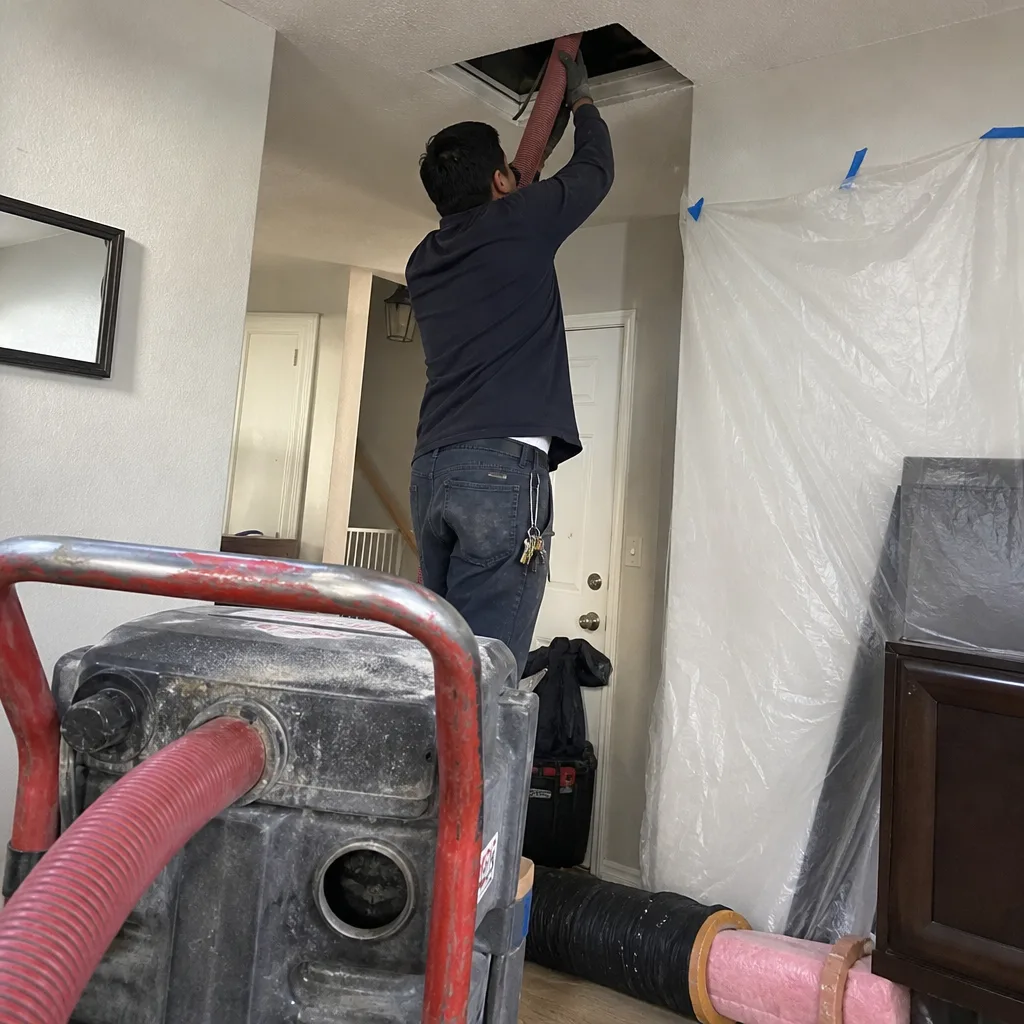
- Set negative pressure first. Commercial equipment puts the treated duct run under negative pressure so dislodged particulate and dust get captured rather than blown into the living space. We use Nikro negative-pressure equipment for this step.
- Mechanical agitation of the duct surfaces. Vacuums alone don’t detach the matted film that accumulates on duct walls. A contact-brush system like Rotobrush physically scrubs the duct interior so the buildup breaks loose. We run Rotobrush commercial-grade contact brush systems on the duct runs.
- Cleaning the plenum and air handler area. The interior of the air handling unit where dust collects is a common source of contamination that gets missed by a duct-only clean.
- Source-removal at the registers. Grilles, boots, and supply and return covers are cleaned separately because they trap a lot of the load.
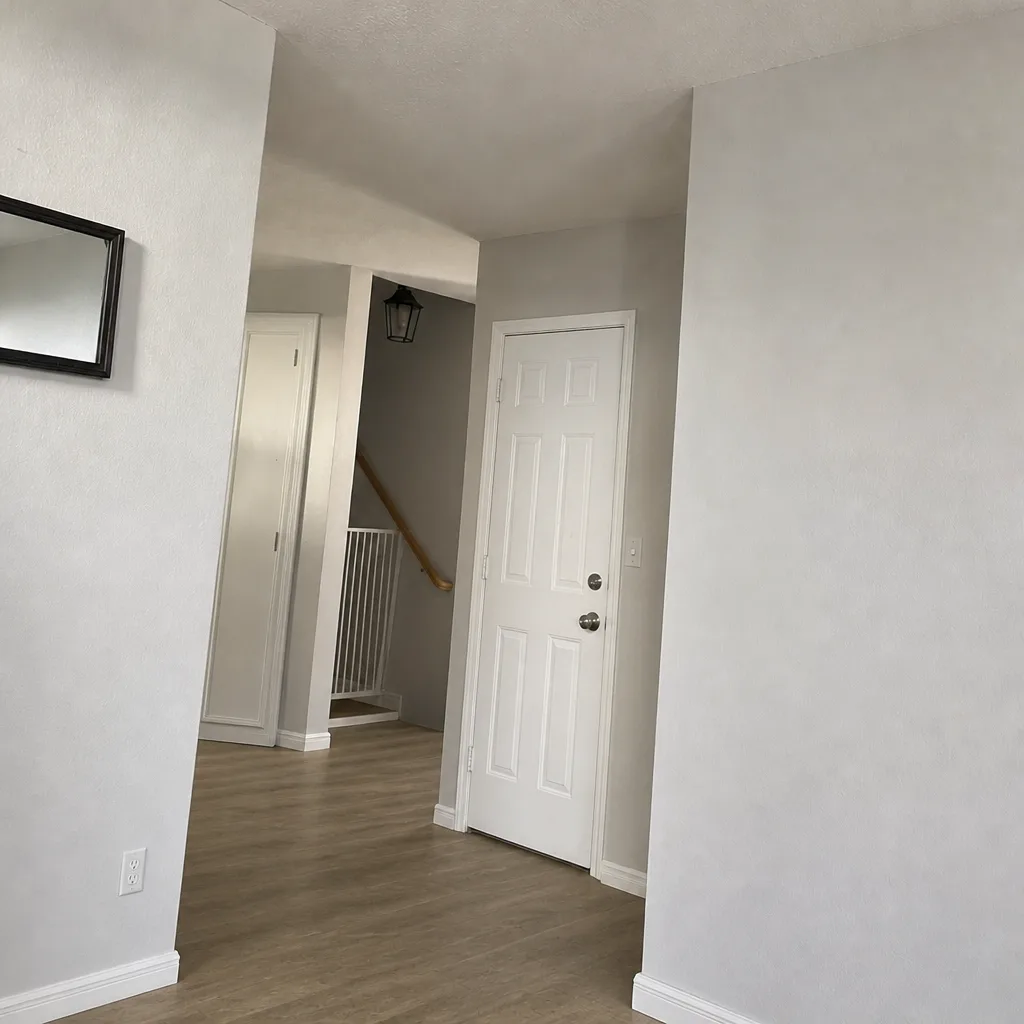
- Inspection camera through the runs. Before and after inspection with a camera documents what was there and what came out. Before-and-after images of your own ductwork are the most useful record you can keep.
- Repair and sealing where needed. Duct joints that have separated, unsealed seams, or damaged sections found during cleaning should be repaired rather than simply flagged. We handle structural duct repair as a standalone service for exactly this reason.
For homes where indoor air quality concerns go beyond routine dust, Abatement Technologies filtration equipment lets us contain and filter air during the work itself. That matters for homes with allergy, mold, or contaminant concerns where simply stirring up dust during the clean would undercut the point of the job.
Common Mistakes to Avoid
- Using the national “every three to five years” rule as a prescription. In a Central Valley climate it ignores the seasonal particulate load and the four variables above. Use it as a starting reference, not a schedule.
- Assuming new construction is clean. Construction dust is a real problem in Tracy’s expanding developments. Schedule a first clean after construction finishes and before the first cooling season.
- Switching to a high-MERV filter because more filtration is “better.” A filter that’s too restrictive for your blower can cause the system to underperform. Check the system’s tolerance before upgrading.
- Confusing a filter change with a duct cleaning. Filters protect the system; they don’t clean the duct interior. They’re different jobs with different intervals.
- Skipping register-level inspection because it feels unnecessary. An annual register walkthrough is the cheapest early-warning system you have. Look, don’t just change the filter and call it done.
- Letting a cleaning visit flag a duct repair issue and then walking away from it. A separation or unsealed seam found during cleaning is worth addressing. Cleaning a system that leaks is a partial job.
- Tracking only cleaning intervals and never airflow. Static pressure trends tell you what’s happening between appointments. A maintained baseline reading is how you know when contamination is actually accelerating.
When to Call a Professional
Some conditions mean it’s time to call rather than wait for the next scheduled interval. You should call a professional if you’re seeing visible dust buildup inside a register beyond light film, if anyone in the home has allergies or respiratory conditions that seem worse indoors, if the home has been through a renovation, if you’ve moved into a newly built home that hasn’t had a first clean, or if the dryer has been taking longer to dry. A register that blows noticeably weak air is also a call signal, especially if it’s gotten worse.
Duct Cleaning Tracy offers free estimates in Tracy – call (866) 429-7345. Our technicians have up to 8 years of experience with commercial-grade cleaning and inspection equipment. We answer 24/7. Fast dispatch from 7am to 7pm, Sunday through Friday.
Frequently Asked Questions
Most Tracy homes need a professional duct cleaning every two to three years, with the shorter end applying to households with pets, allergies, recent renovations, or older homes with aging ductwork. New construction homes need a first clean after construction finishes, before the first cooling season. Call (866) 429-7345 for an exact quote – estimates are free.
Because the Central Valley’s wind-driven soil and agricultural particulate load is higher and more varied than what national guidance is built around. The national “three to five years” assumes a typical outdoor air supply. Tracy’s open-ground dust and harvest-season particulate accelerate contamination for a lot of homes here. Generic intervals don’t capture that. Call (866) 429-7345 to schedule an inspection and get a real number instead of a rule of thumb.
Every one to three months depending on the season, with a check at least every two to three weeks during the almond harvest window if you’re near agricultural land. Filter changes should happen at the start of heating season and start of cooling season, and monthly during peak summer cooling load. Call (866) 429-7345 if you want a filter-system recommendation that fits your equipment.
Yes. Construction dust, drywall dust, and insulation fibers get into duct systems during building and stay there after move-in. A first clean once construction is finished and before the first cooling season is the right timing, not the three-year mark. Call (866) 429-7345 to schedule a new-construction clean.
You can do a register-level visual inspection: pull the grille, check the visible duct for matted dust, look for rust and debris, and check airflow feel. You cannot inspect the interior of the duct runs, the main trunk, the plenum, or anything behind a wall without a camera and containment equipment. Call (866) 429-7345 for a full interior inspection.
Look for matted or felt-like dust inside a register, a film on the grille that returns quickly after wiping, airflow that feels noticeably weaker at several registers, or dust that reappears on surfaces soon after cleaning. Any of those point to a duct issue rather than a filter issue. Call (866) 429-7345 for a look inside before you book a full clean.
The Bottom Line
A duct maintenance schedule for a Tracy home is layered: frequent filter changes calibrated to the local seasons, an annual register-level inspection, static pressure tracking between professional visits, and a professional deep clean timed to your household’s actual conditions rather than a national interval. Pets, renovation, allergies, home age, and new construction all compress the schedule. Register-level checks tell you when to look further, but the interior of the duct system needs camera inspection and commercial equipment to be assessed honestly. The homes that get the most out of their duct system are the ones that treat maintenance as an ongoing calendar rather than a one-time decision. Get the schedule right and the big cleanings take care of themselves.
Ready to build your own schedule? Call (866) 429-7345 for a free estimate. We answer 24/7. Fast dispatch from 7am to 7pm, Sunday through Friday.
Written by the team at Duct Cleaning Tracy.
See the difference
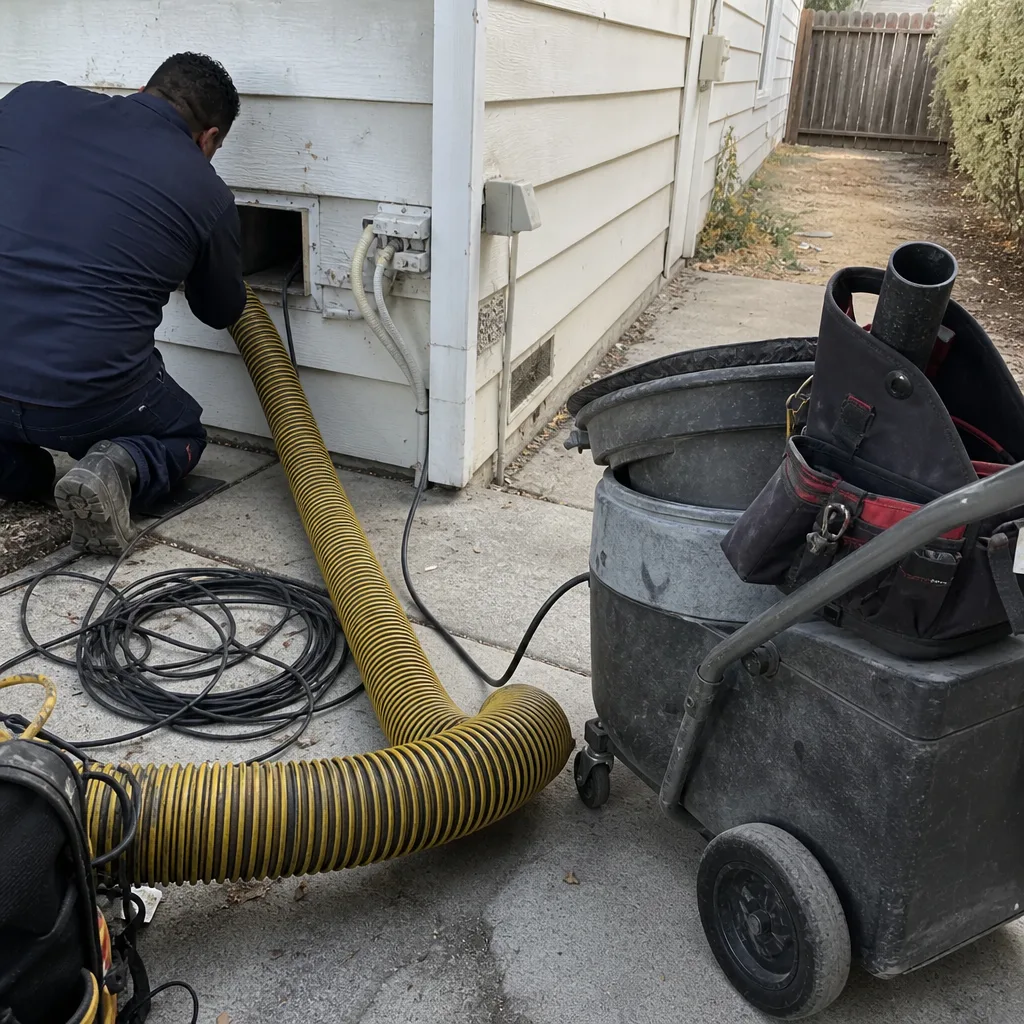 Before
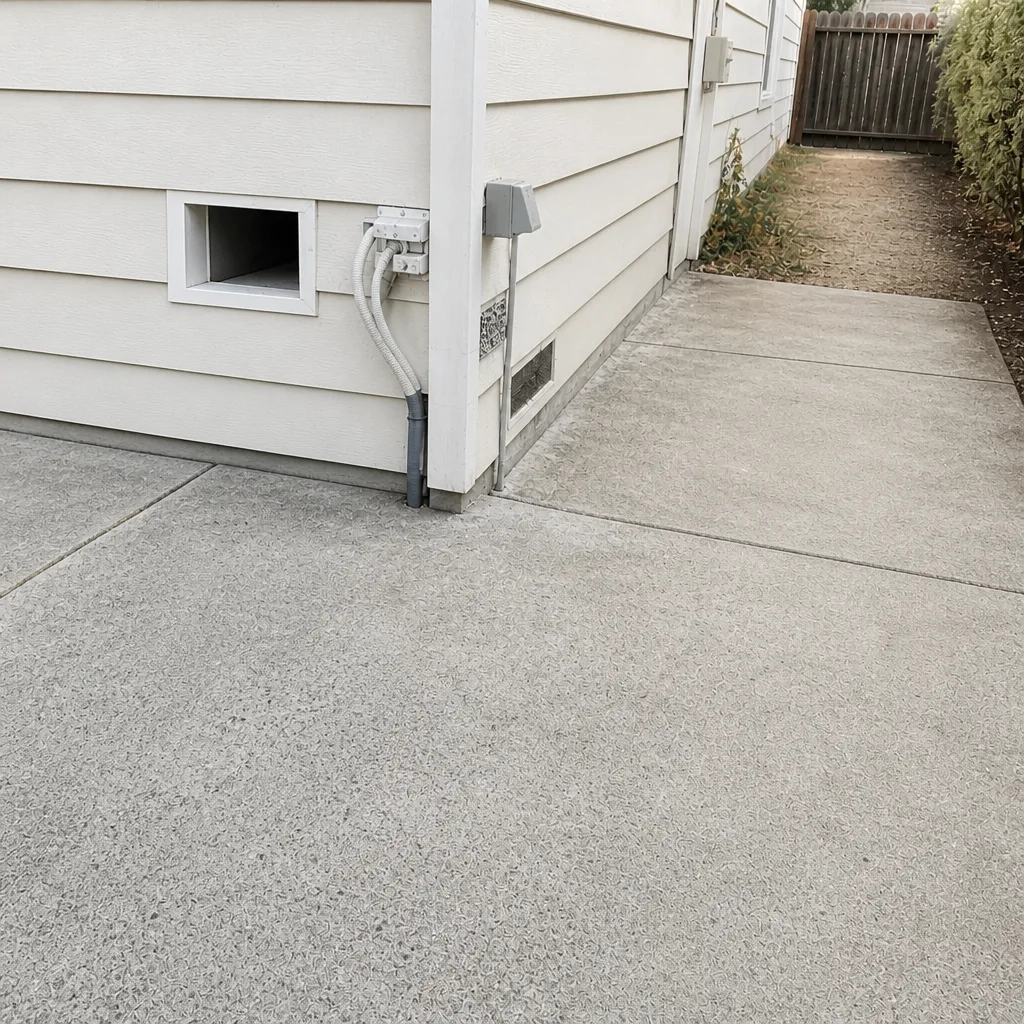 After
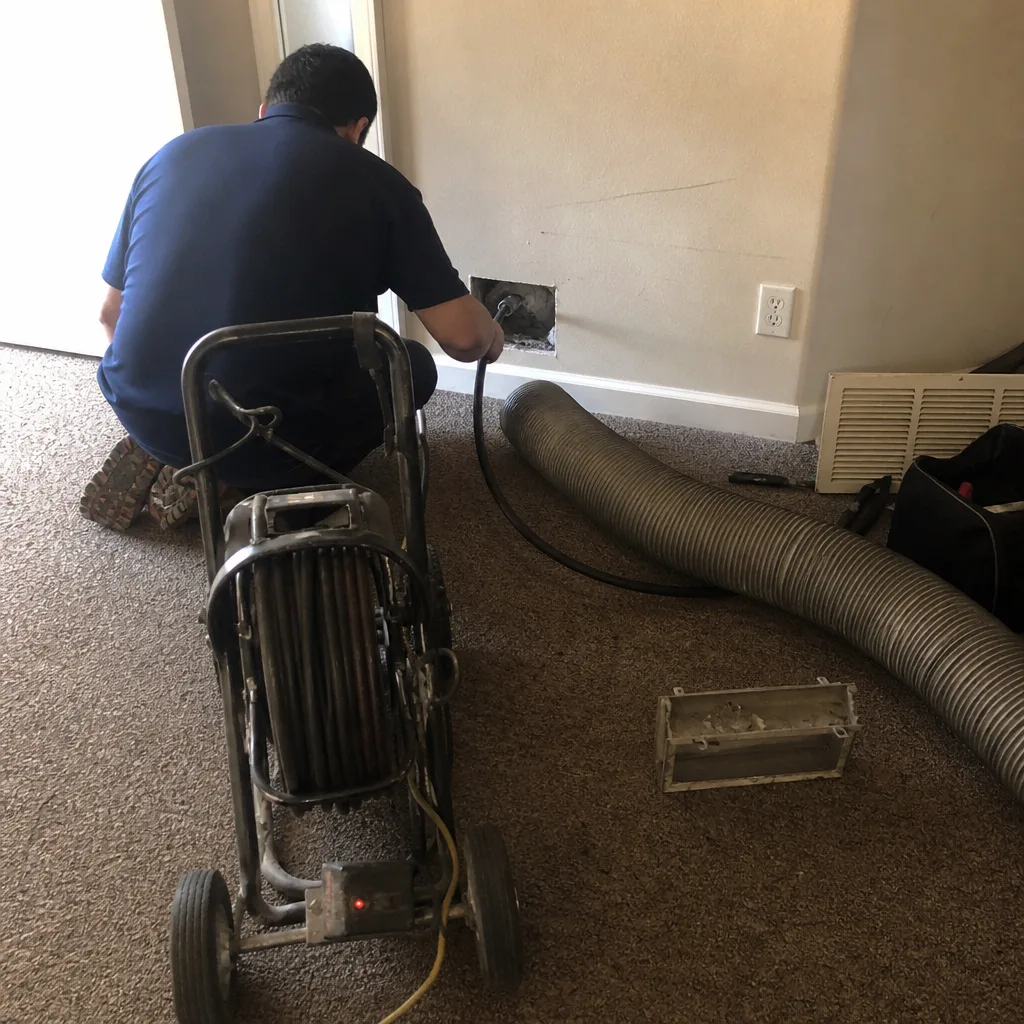 Before
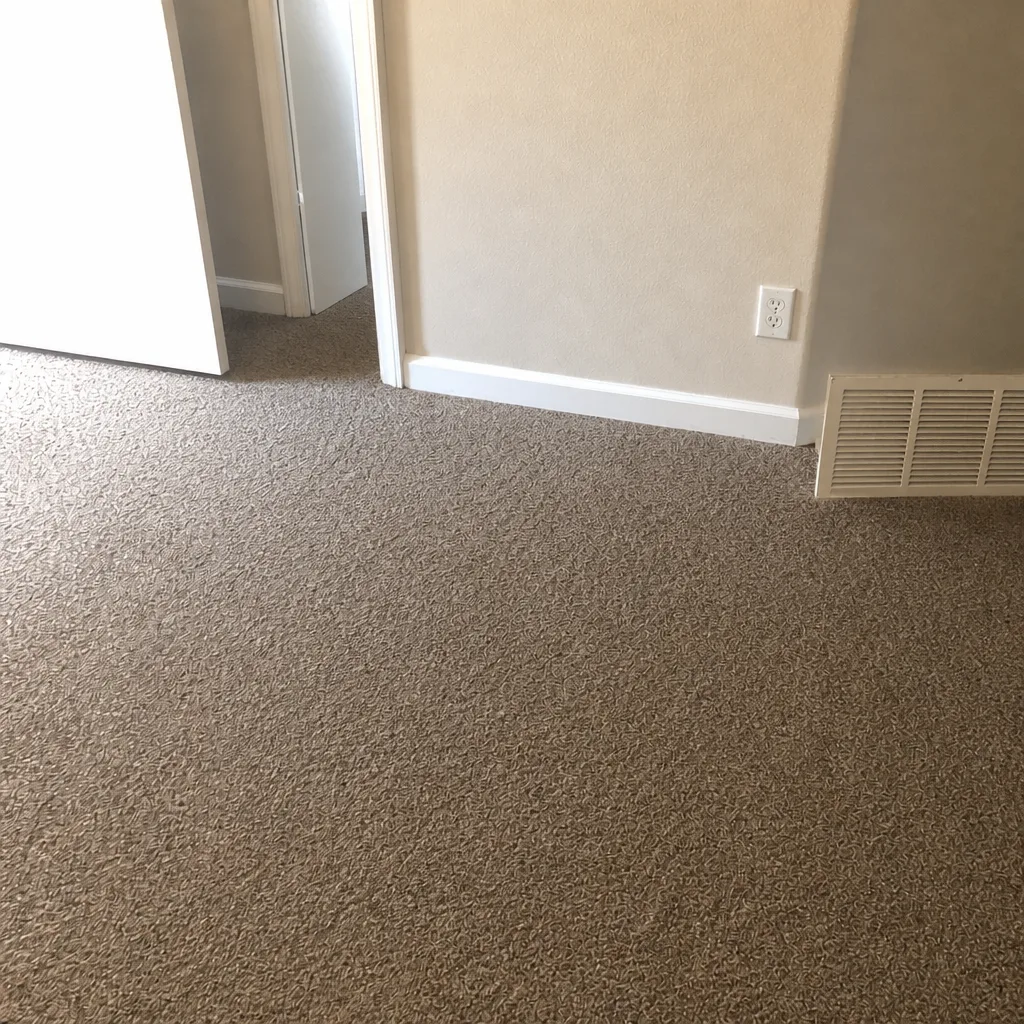 After
 Before
 After