
Last updated November 15, 2026
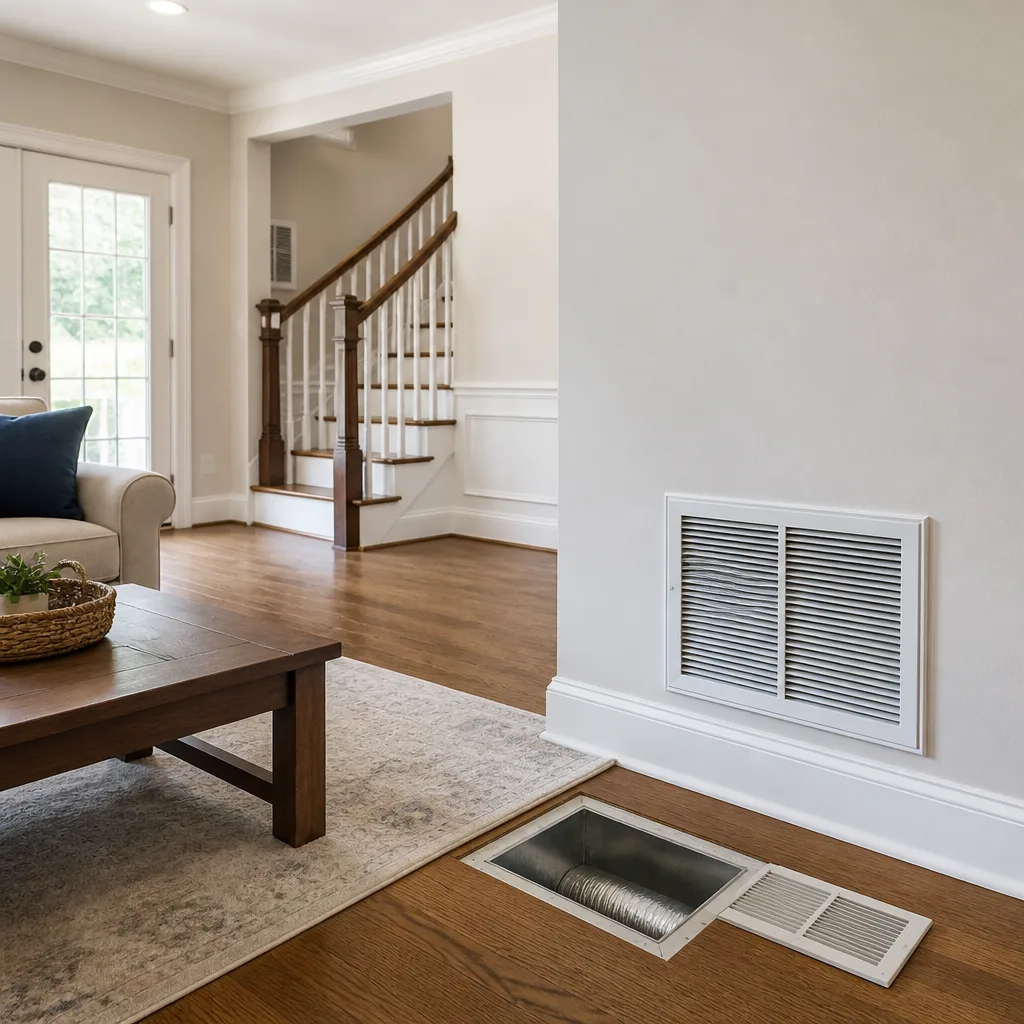 Whole-home duct cleaning
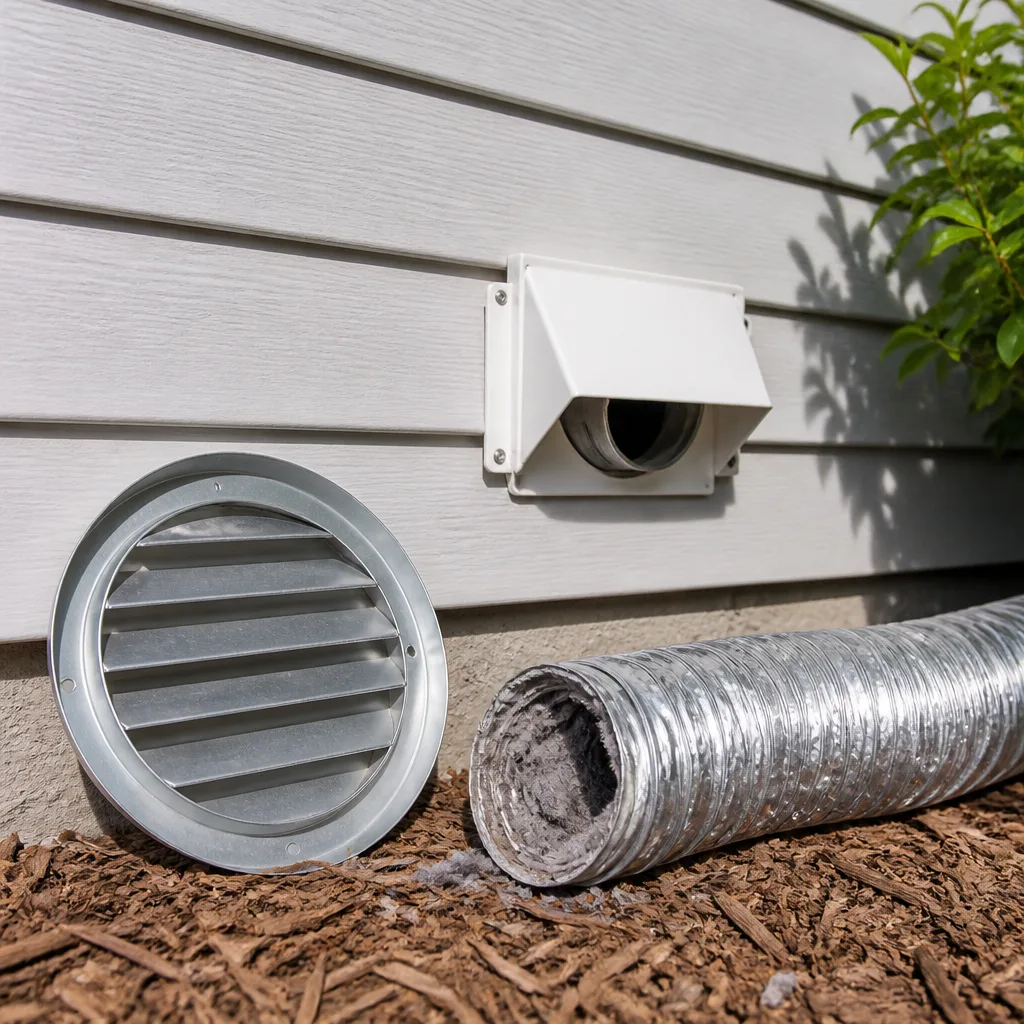 Dryer vent cleaning
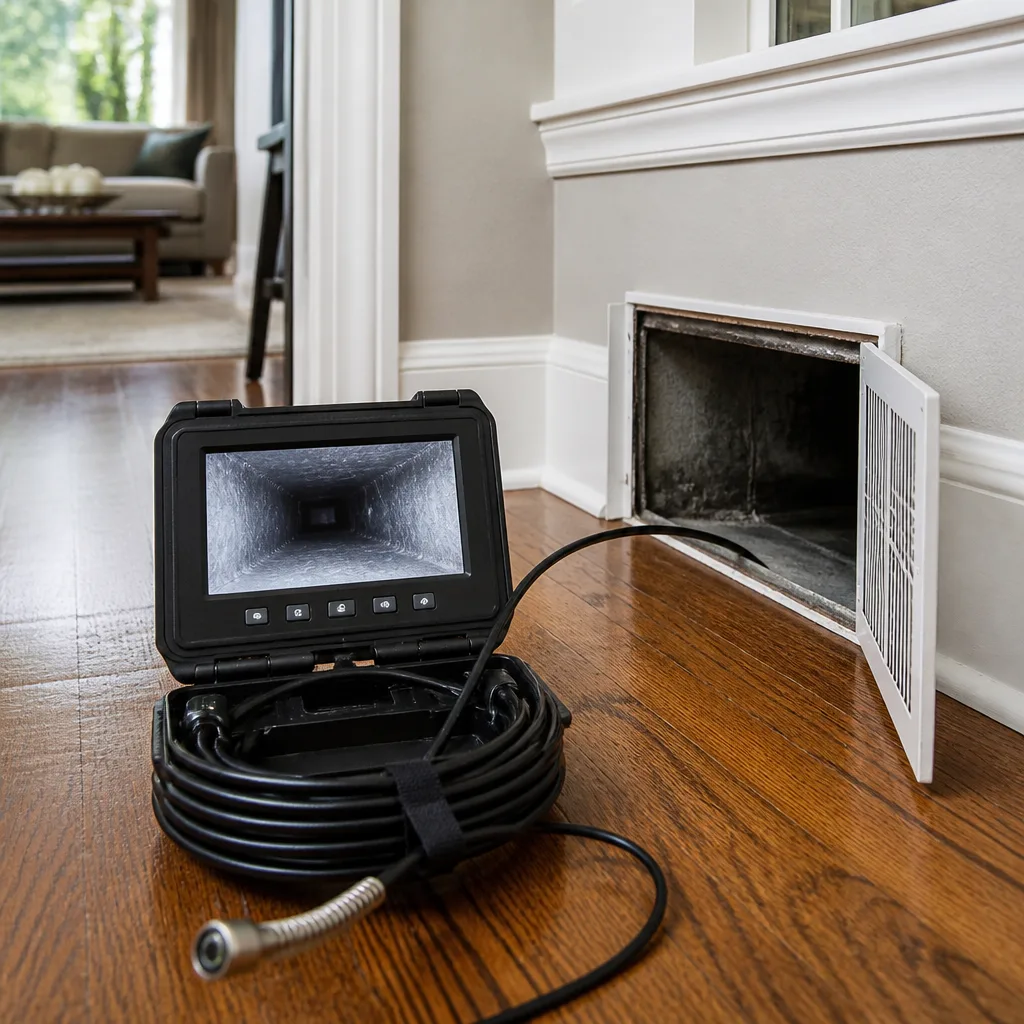 Camera inspection
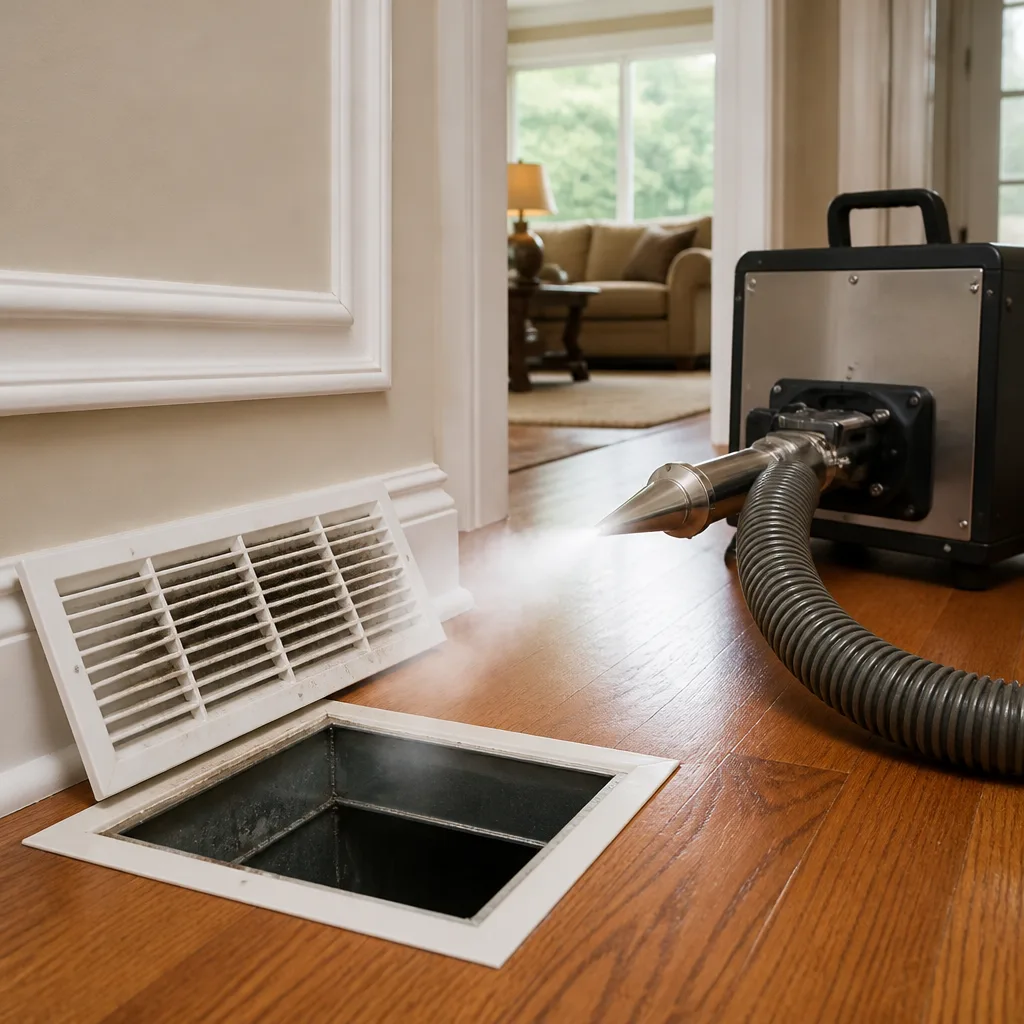 Sanitizing & deodorizing
Whole-system duct and dryer vent check with before-and-after photos - you see exactly what came out of your vents
That "$99 whole-house special" is a bait ad - the real number appears once they are in your hallway, or the "clean" is a shop-vac at the register. We photograph the inside of your ducts before and after instead.
Air Duct Cleaning Troubleshooting in Tracy: Common Problems and How to Fix Them
If your ducts were cleaned a few months ago and you’re still wiping dust off the same furniture every week, the cleaning probably missed the supply plenum or left debris sitting in the branch takeoffs. That’s a process failure, not a “dirty house” problem. A duct system is a mechanical assembly with seams, joints, dampers and pressure relationships, and almost every symptom a homeowner notices – uneven airflow, musty smells, dust that keeps coming back – traces back to one of three things: cleaning that didn’t reach the whole system, a sealing gap that was never addressed, or a filter that isn’t actually catching what it should. This guide walks through each of those in Tracy, shows you how to test what you’re dealing with, and explains what a proper fix looks like.
Quick Answer
Most air duct problems in Tracy come down to one of three mechanical causes: debris left in a section of the system after an incomplete cleaning, a disconnected or collapsed flex duct reducing airflow to one or more rooms, or air bypassing the filter because the filter frame doesn’t seal. Each has a specific diagnostic test and a specific repair, and none of them get solved by wiping registers. A cleaning that used real negative-pressure containment and a contact-brush system inside the ducts leaves a before-and-after inspection record you can check.
Styles & brands we work with
- Whole-home duct cleaning
- Dryer vent cleaning
- Camera inspection
- Sanitizing & deodorizing
Table of Contents
- How Do You Tell a Dirty-Duct Odor From a Mold-in-Coil Odor?
- Why Is Airflow Uneven After a Cleaning?
- The Filter Bypass Test: Is Your Return Pulling Unfiltered Air?
- What a Camera Inspection Log Should Show After a Cleaning
- How to Tell a Real Cleaning From a Register Wipe
- Dryer Vent Problems That Look Like Duct Problems
- Repair or Re-Clean? Choosing the Right Fix
- What Does Duct Troubleshooting Cost in Tracy?
How Do You Tell a Dirty-Duct Odor From a Mold-in-Coil Odor?
The smell is the fastest diagnostic clue in the system, but only if you match the odor to a source. A dirty-duct odor is musty and dust-driven. It tends to be strongest when the system first kicks on after sitting idle, then fades as airflow moves. A mold-in-coil odor is sharper and more persistent. It stays noticeable the entire time the system runs and often gets worse in the rooms closest to the air handler.
These two problems require two different interventions, which is why the distinction matters. Cleaning the ducts does nothing for growth sitting on the evaporator coil. Cleaning the coil does nothing for a debris load in the return trunk. If you treat the wrong source, the smell comes back and you’ve spent money on the wrong visit.
Here’s how we separate them before recommending work:
- Smell test at the register vs. at the air handler. If the odor is strong at every supply register, the source is likely upstream in the return or plenum. If it’s strongest at the return grille and near the indoor unit, the coil or drain pan is a candidate.
- Watch the drain pan. Standing water or biological film in the condensate pan is a coil-side problem, not a duct problem.
- Look at the register faces. Heavy uniform dust on register blades points to a duct-side issue. Light uniform dust with no pattern points away from duct debris and toward filtration or coil moisture.
- Check for recent moisture. A wet spot under the air handler or a clogged condensate line often correlates with the sharper odor.
Residential ductwork in Tracy runs through unconditioned attics in most single-story and many two-story homes, and attic humidity in the summer months can amplify any odor source up there. The same smell in January and in August tells you something about the source. If it intensifies in summer, suspect moisture somewhere in the system, not just debris. For a full picture of what a qualified cleaning involves, see our air duct cleaning process page.
Why Is Airflow Uneven After a Cleaning?
Uneven airflow after a cleaning almost always means a branch duct was disturbed during the work. The most common cause is a flex duct that got reconnected with a partial collapse or a kink. A collapsed section restricts airflow at that specific branch, and the room it serves stays weak while the rest of the house feels normal. It’s a mechanical problem, not a mystery, and it’s fixable.
We see this most often in homes where the duct runs are long and the access in the attic is tight. Pulling a brush through a flex run can shift the liner, and if the technician reconnects without checking the run for sag or a bend that pinches the inner liner, the branch loses pressure. That’s a process failure, and it should be caught before the crew leaves.
Other causes of post-cleaning pressure imbalance include:
- Dampers reset or moved. A balancing damper in one branch may have been bumped and left in a partially closed position.
- Disconnected takeoff. A branch boot that wasn’t re-seated at the trunk pulls attic air and starves the room.
- Loose flex collar. An inner liner that isn’t clamped to the collar lets air leak into the attic rather than into the room.
- Filter restriction. A high-MERV filter installed after cleaning can drop system airflow overall and read as “uneven.”
- Blocked register. A register that was closed for cleaning and left shut is the simplest answer and worth checking first.
A quick check that costs nothing: hold a tissue against each supply register with the system running. Every register should pull or blow the tissue with roughly similar force. If one register is clearly weaker, that branch has a restriction somewhere between the trunk and the boot. A camera run through the branch locates the problem. For a homeowner with an older home that Tracy has plenty of, the branch runs are also more likely to have been modified by a previous owner, which adds to the chance of a hidden problem.
The Filter Bypass Test: Is Your Return Pulling Unfiltered Air?
A filter bypass happens when the return grille draws air around the filter frame instead of through the filter media. The filter itself may be brand new, but the air goes past it. That’s why some homeowners replace filters regularly and still see dust accumulating on the coil and inside the ducts. The filter isn’t the problem. The seal around it is.
Testing for bypass is simple:
- Turn the system on and let it run at least five minutes so airflow stabilizes.
- Hold a single tissue or a piece of light plastic near the filter frame at the return grille.
- Move it slowly along each edge of the frame – the sides, top and bottom.
- Where the tissue pulls toward the gap, air is bypassing the filter at that spot.
- Look at the filter after it’s been in service a few weeks. A filter that’s dirty on part of its face and clean on another is a sign that the bypass is heavy on one side.
A properly installed filter should sit snugly in the frame with no visible gap. Some slot-style filter racks are built with an oversized opening that tolerates a range of filter sizes, and those racks are the most common source of measurable bypass. A frame or gasket retrofit closes the gap, and a media cabinet upgrade is a longer-term fix. Because we stock and service Honeywell and Aprilaire air-quality products, we can clean the ducts and address filtration in the same visit instead of pointing you to a second contractor.
One more thing to check: filter MERV rating. A very high-MERV filter in a system whose blower was sized for a low-MERV restriction can starve the system of airflow, which then reads as “weak air” everywhere. Match the filter to the system’s rating rather than assuming higher is better. If your coil has accumulated dust from years of bypass, a cleaning ties both problems together.
What a Camera Inspection Log Should Show After a Cleaning
A camera inspection log is the record that tells you whether the cleaning happened inside the ducts or just at the registers. A proper log contains before-and-after photos of each main trunk and each accessible branch, with a note of location and date. If a company cleaned your ducts and didn’t produce one, you have no way to confirm the work reached past the first few feet.
The main trunk is where most of the debris load sits, and it’s also where the camera usually gets skipped because the run is long. Ask specifically for images from the plenum, the main trunk, and at least two branch takeoffs. If those aren’t in the log, the cleaning probably didn’t reach those areas.
Here’s what a usable log looks like:
- Plenum shot, before and after. The supply plenum above the air handler collects a heavy layer of debris in most systems and should be visibly cleaner after the visit.
- Main trunk run. A view down at least one long straight section, before and after.
- Branch takeoffs. Photos of where the branches connect to the trunk, since that’s where reconnection problems and debris accumulation both concentrate.
- Return side. The return trunk and the filter rack, since bypass and return-side dust are common together.
- Notes on findings. A log that flags a separated flex run or a crushed branch tells you the technician actually looked.
In our experience, a system that tests clean on the camera but still shows dust in the house usually has a filter bypass or a return-side gap. We use Nikro negative-pressure equipment during the cleaning so the dislodged debris is captured rather than redistributed, and the post-clean camera check confirms what got removed. For more on what we’re looking for, see the full Duct Cleaning Tracy overview.
How to Tell a Real Cleaning From a Register Wipe
A register wipe and a shop-vac pull at the main trunk is not a duct cleaning. It’s a surface wipe with a vacuum hose. It leaves the debris load in the branches, the supply plenum and the return trunk untouched, and it rarely involves negative-pressure containment, which means what little gets dislodged can end up in your living space. The telltales are consistent, and they’re visible from outside the ducts.
Here’s how we’d suggest a homeowner tell the difference:
- Ask what equipment is used. A cleaning that relies on a contact-brush system inside the ducts (like the Rotobrush system we use) reaches the walls of every branch. A vacuum nozzle at the trunk alone doesn’t.
- Ask about containment. Negative-pressure equipment (we use Nikro) holds the ducts under vacuum while the brush runs, so dislodged debris stays out of the rooms. If the company doesn’t set up containment, ask why.
- Watch the registers. A real cleaning involves opening the registers and, in many cases, the branch boots. A wipe job touches the register face and nothing behind it.
- Check for a camera log. If no inspection record exists, the cleaning is likely incomplete.
- Look at the return. Dust in the return trunk is where you’d expect it. A return that looks untouched after a cleaning is a red flag.
- Ask about flex duct condition. A company that’s serious about the job will be able to describe what condition the flex runs were in when they finished.
For a homeowner in Tracy with an older home, the return trunk often has more debris than the supply side, because the return is closer to the floor where dust settles and closer to the filter rack where bypass lets dust through. A cleaning that doesn’t address the return side is missing half the system.
Dryer Vent Problems That Look Like Duct Problems
Lint and dust from a clogged dryer vent can smell musty and drift into the house, and homeowners sometimes attribute it to the HVAC ducts when the actual source is the laundry. Dryer vents are a separate system, but the symptoms overlap: musty smell, persistent lint in the laundry room, and a dryer that takes longer to dry a load. The vent is also the one part of the household air path where a clog is a fire risk, not just a comfort issue.
Signs the vent is the actual problem rather than the HVAC ducts:
- The dryer cycle takes noticeably longer than it used to.
- The laundry room feels more humid than other rooms after a load.
- The exterior vent flap doesn’t open fully or at all during a cycle.
- Lint accumulates in the same corner of the laundry area.
- The dryer surface gets hot to the touch on the back or side.
If two or more of those are true, schedule dryer vent cleaning before assuming the HVAC system needs work. The job involves running a brush through the vent run and pulling the lint out under containment, the same general process as duct cleaning but on a shorter, straighter path. Because we handle both services, a single visit can check the HVAC ducts and the dryer vent if the source is unclear. Homes in Tracy with long laundry-to-exterior vent runs are the ones most worth checking, since a longer run accumulates lint faster than a short direct one.
Repair or Re-Clean? Choosing the Right Fix
Not every problem is a cleaning problem. A separated flex run, a crushed branch, a boot pulled off the trunk, or a seam that opened behind a wall is a repair job, and cleaning again won’t fix it. That distinction is where a lot of duct money gets spent twice. The right approach is to diagnose first, then decide.
Here’s the decision order we walk through:
- Is the problem debris or a gap? Debris means cleaning. A gap or disconnection means repair.
- Is the problem air quality or airflow? Air quality points to filtration, containment and cleaning. Airflow points to sealing or repair.
- Is the problem in the ducts or in the coil? A coil-side moisture problem needs a coil service, not a duct service.
- Is the problem in the HVAC or the dryer vent? Two systems, two services.
We treat air duct repair as its own service, not as an upsell on a cleaning. If the camera run shows a crushed branch behind a bend, we can seal or replace the section rather than flag and walk away. Most duct-cleaning-only companies can’t, and that’s the difference between fixing the problem and cleaning around it. A repair also gives the cleaning a chance to hold: air leaking from a separated joint keeps reintroducing dust into the system, so the two jobs belong together.
For a home in Tracy that’s been re-ducted or had an add-on added without a balancing check, a repair plus a rebalance is often the right call. For a home with a clean but under-sized return, the repair may be a return-side upgrade rather than a duct fix. The point is to diagnose before recommending.
What Does Duct Troubleshooting Cost in Tracy?
Duct troubleshooting is usually bundled with cleaning or repair, and the price is set per system by the written estimate after the diagnosis, not per vent and not by a coupon figure. A diagnostic visit that includes a camera inspection and a written report is the baseline, and it’s where the final scope gets set. We give free estimates, so the number you see is the number you agree to before the work starts.
Typical cost ranges for the work, kept general so they reflect the East Bay market rather than a marketing number:
| Service | Typical range | What it covers |
|---|---|---|
| Full-system air duct cleaning | Estimate-based, quoted per system | Plenum, main trunk, branches, returns, registers |
| Camera inspection with written log | Estimate-based, often bundled with cleaning | Before-and-after photos, notes on findings |
| Dryer vent cleaning | Estimate-based, quoted per vent run | Brush run of the vent, lint removal under containment |
| Air duct repair (seal, reconnect, replace section) | Estimate-based, quoted per repair | Flex run repair, boot reconnection, sealed seams |
| Filtration upgrade (Honeywell, Aprilaire) | Estimate-based, quoted per system | Filter frame or media cabinet, sized to the blower |
We don’t quote per-vent prices. A per-vent model invites a low teaser that grows once the technician is in the attic and counts outlets, which is the bait-and-switch reputation the trade carries and the reason we price the whole system. The written estimate covers the scope the camera confirmed, with before-and-after photos of your own ducts to show what was done.
If the estimate you get from another company doesn’t separate cleaning from repair and doesn’t show camera images, ask why. The work is verifiable when the process is spelled out. For a broader look at the scope, our air duct cleaning page breaks the phases down step by step.
Common Mistakes to Avoid
- Assuming a post-cleaning airflow drop is “just how the house is.” That’s usually a collapsed or disconnected branch that a camera run would have caught. Ask the company to recheck the branch before the job closes.
- Buying a high-MERV filter without checking the blower. A filter the system wasn’t sized for can choke airflow and make every register feel weak. Match the rating to the equipment.
- Treating a musty smell as a duct problem when the coil is the source. If the smell stays sharp the whole time the system runs, look at the evaporator and drain pan first.
- Accepting a cleaning that produces no camera log. The log is the only evidence the work reached the plenum and the branches. Without it, you can’t tell a full clean from a register wipe.
- Ignoring the return side. In Tracy homes with older ductwork, the return trunk holds a significant share of the debris load. A cleaning that skips it is incomplete.
- Overlooking the dryer vent when symptoms overlap. Long vent runs accumulate lint fast, and the smell and dust look like HVAC symptoms. Check the vent flap and dryer cycle time before booking a duct cleaning.
- Letting a separated flex joint go unfixed after a cleaning. Debris reintroduces through the gap, and the cleaning starts over. Seal it while the camera is open.
See the difference
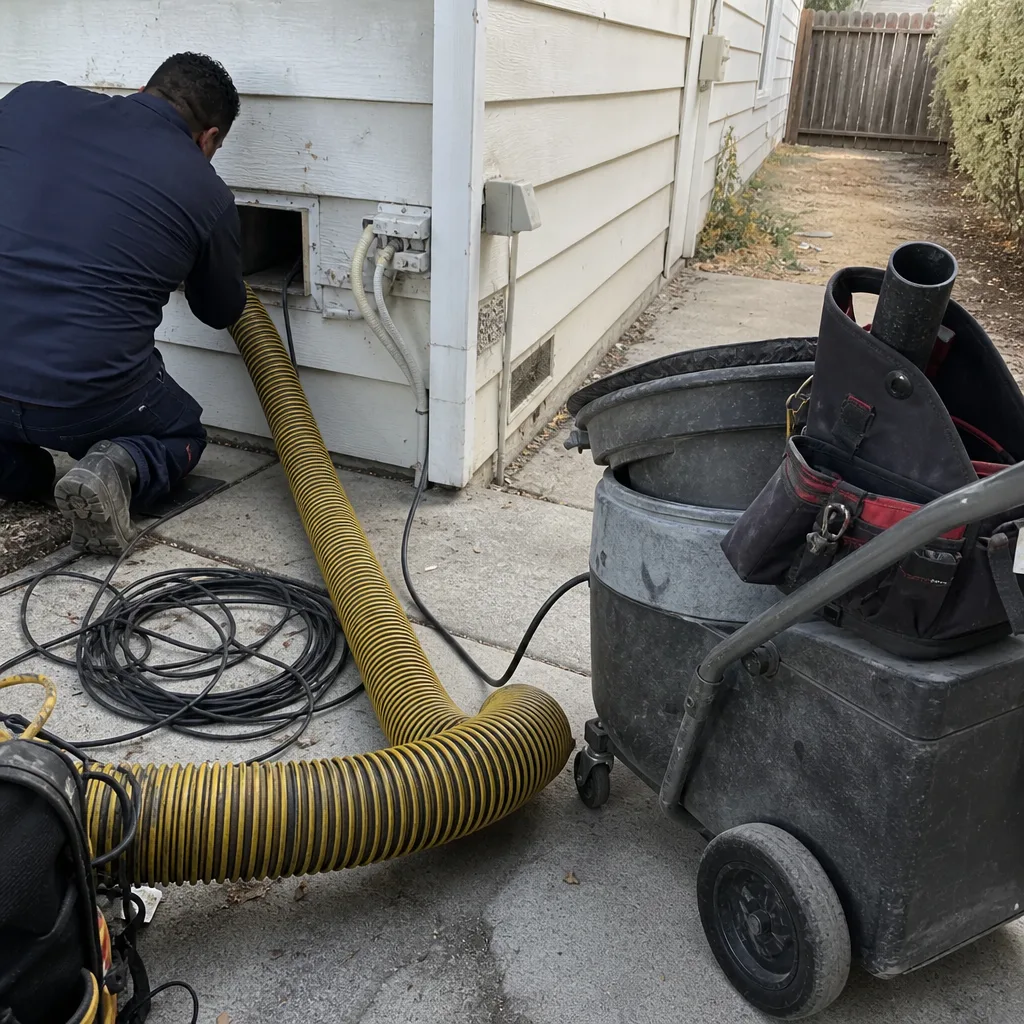 Before
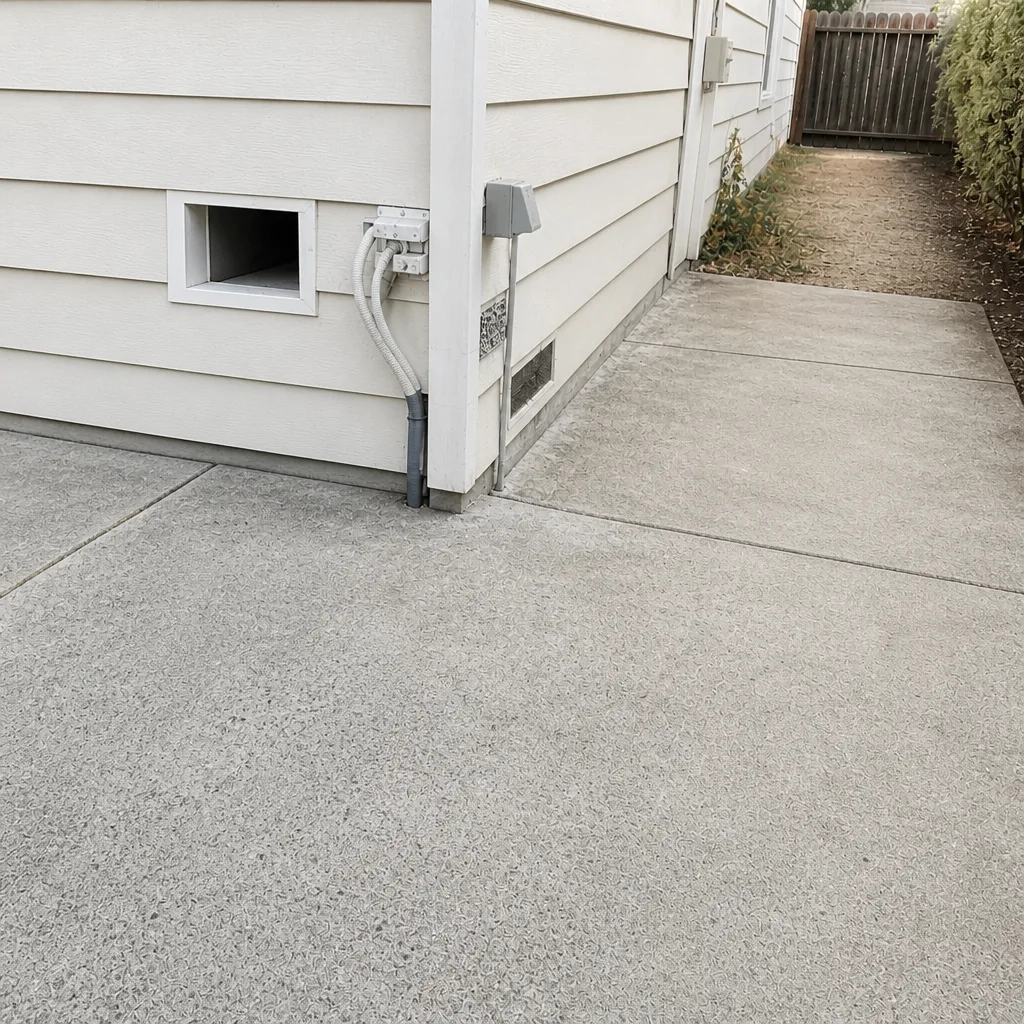 After
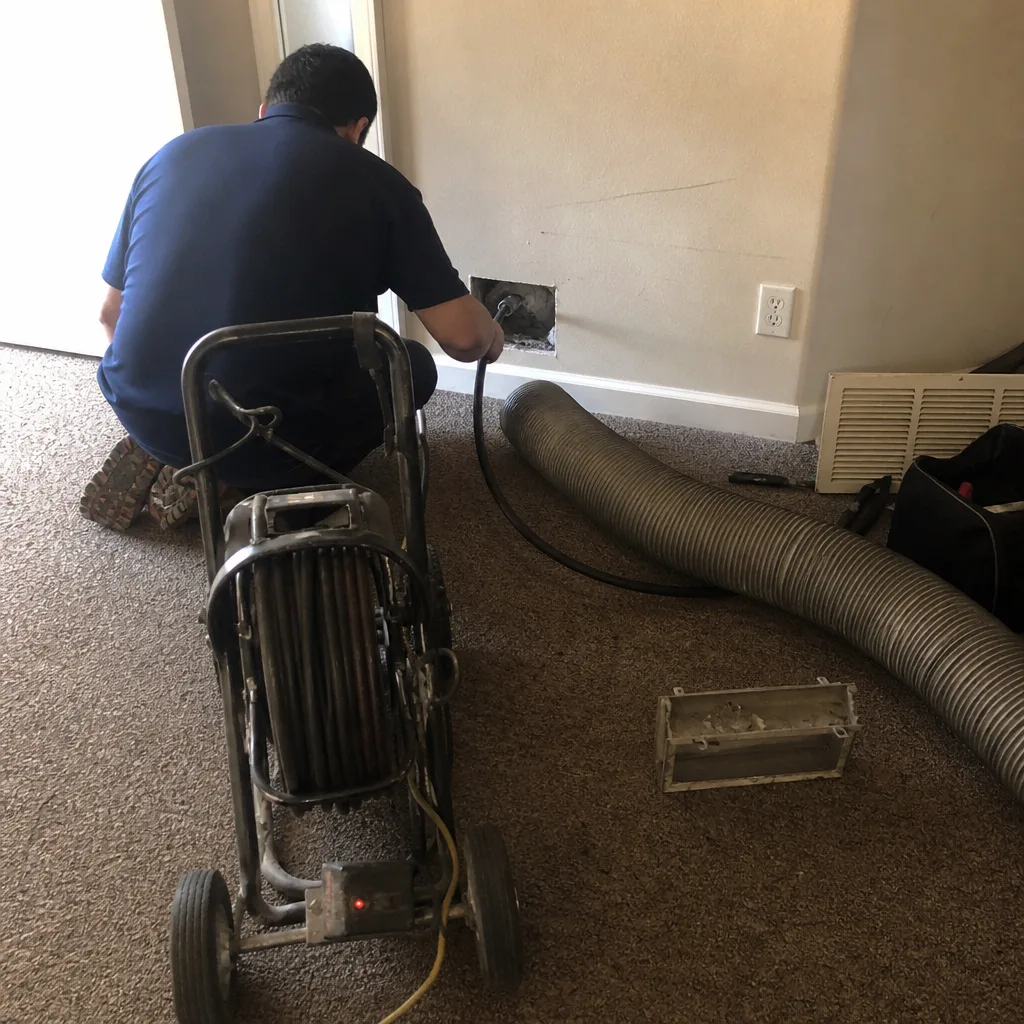 Before
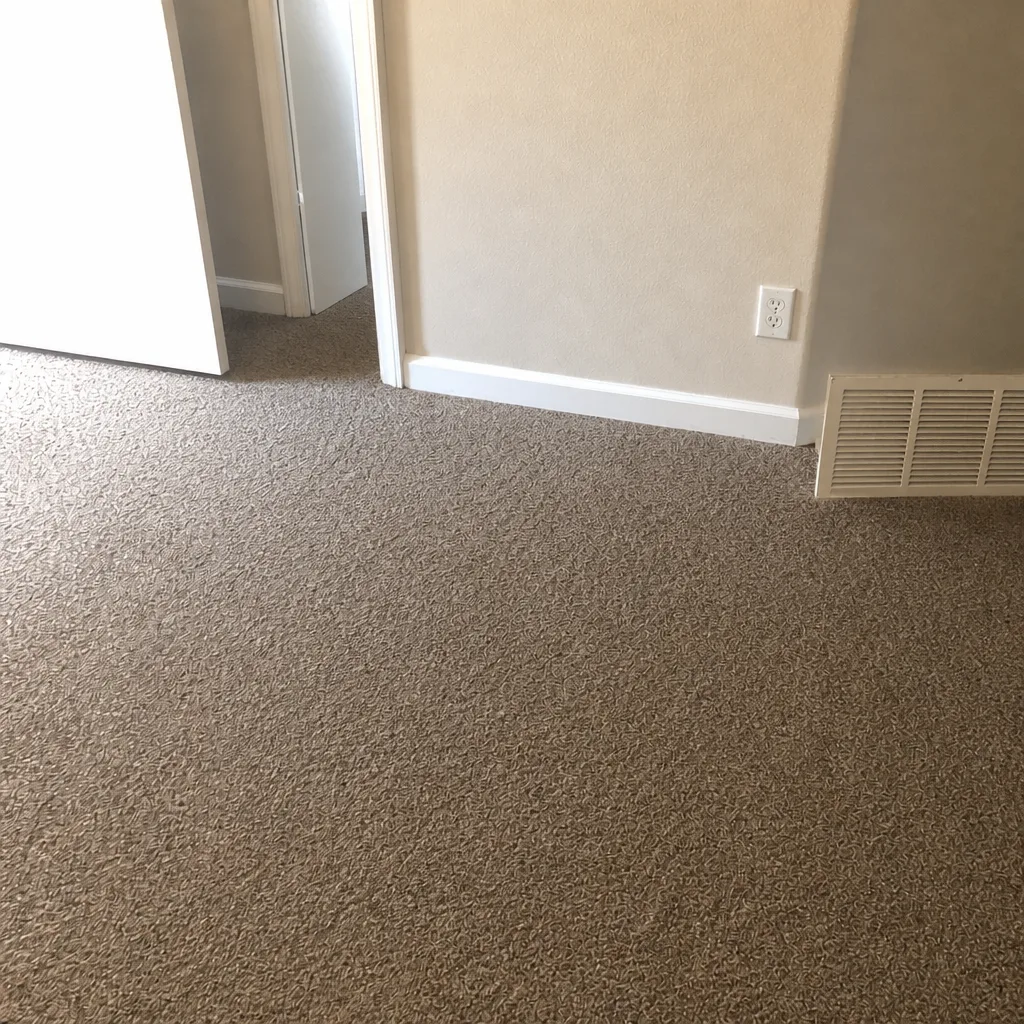 After
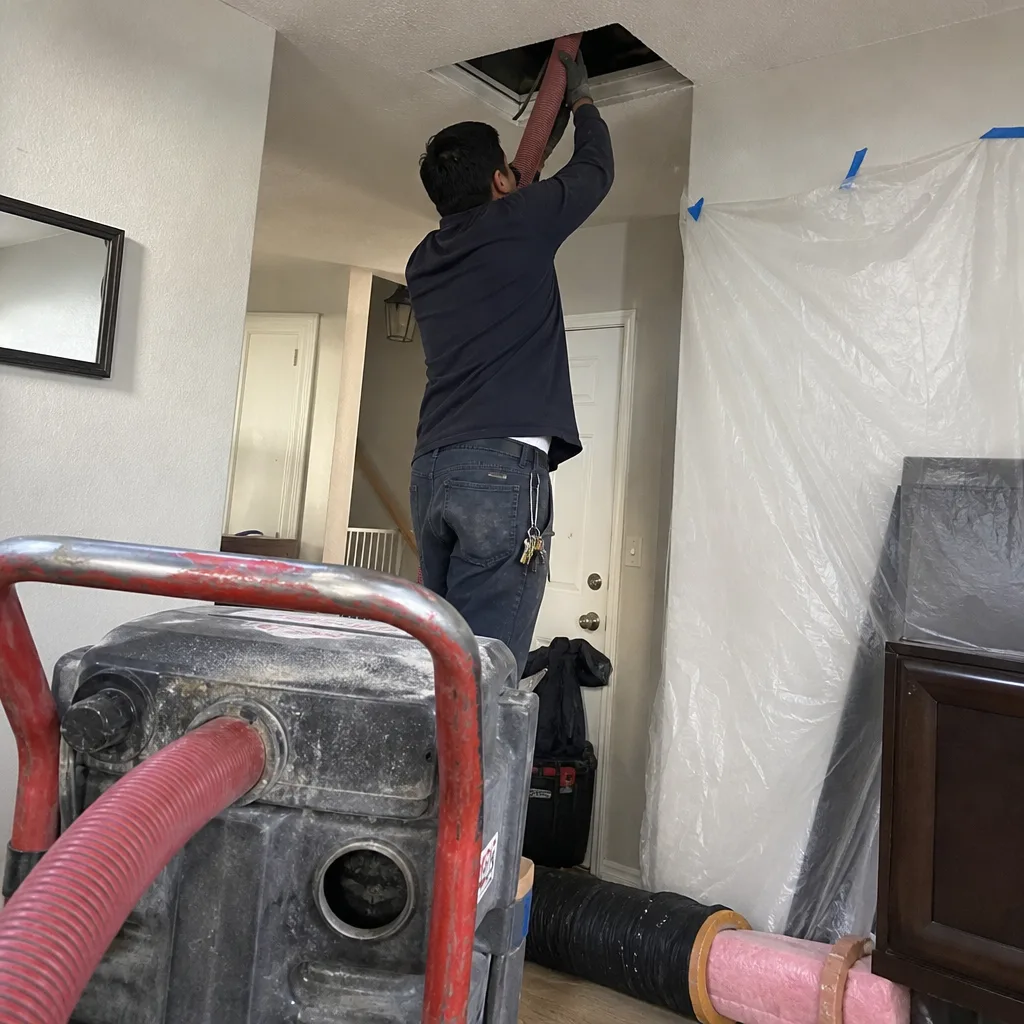 Before
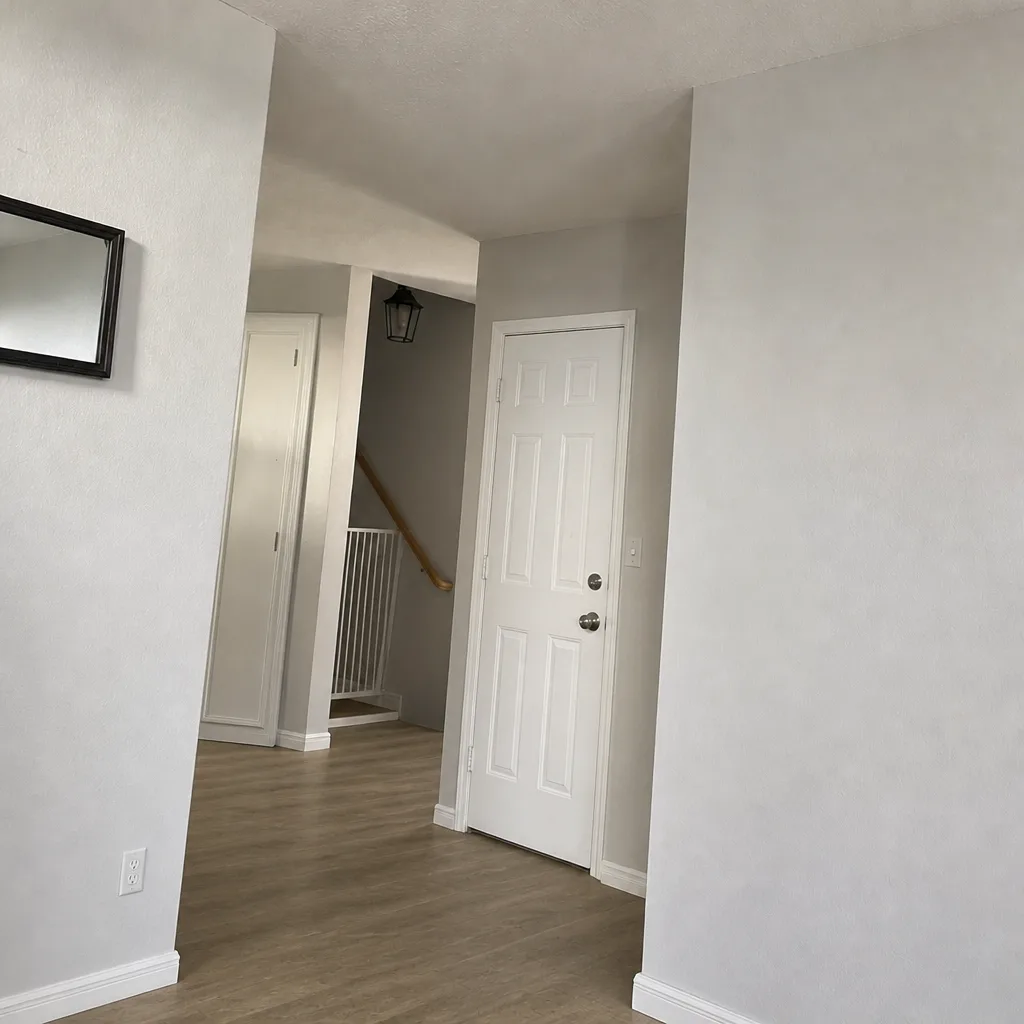 After
When to Call a Professional
Call a trained professional when the symptoms involve anything beyond a register face or a filter cartridge. That covers a musty smell that doesn’t clear after a filter change, airflow that drops after a cleaning, a suspected mold source in the coil, a dryer vent that’s taking twice as long to dry a load, or a branch that’s clearly starved of air while the rest of the system runs normally. High-tension springs and mechanicals inside the air handler, electrical connections to the blower, and gas lines to a furnace are not homeowner work – those need a qualified technician. A camera inspection is the fastest way to sort the symptom into the right category, and it’s the step most homeowners skip when they try to diagnose from outside the system.
Our technicians have up to 8 years of experience with duct cleaning, dryer vent work and duct repair on the same systems found in Tracy homes. Duct Cleaning Tracy offers free estimates in Tracy – call (866) 429-7345 to book one.
Frequently Asked Questions
Visible dust streaking at the registers, a musty smell that comes back after filter changes, and a return grille that pulls noticeably on the tissue test while the supply registers feel weak are the three strongest signs. A camera inspection confirms it. Cleaning is worth scheduling when the plenum and main trunk show heavy debris in the before photos.
That’s almost always a branch duct with a restriction – a partial collapse, a disconnected boot or a damper left partially closed. It’s a mechanical problem at that specific branch, not a system-wide airflow issue, and it’s fixable with a camera run and a repair. Call (866) 429-7345 for an exact quote – estimates are free.
Diagnostic work is bundled with the cleaning or repair and priced per system by the written estimate, not per vent. We don’t publish a coupon figure because the per-system price depends on the number of branches, the condition of the flex runs and whether repair is involved. The estimate you receive is the price you pay.
Cheap quotes usually reflect a shop-vac pull at the trunk and a register wipe, with no negative-pressure containment and no contact-brush cleaning of the branches. That saves labor, but the debris stays in the system and the homeowner pays again later. Ask what equipment is used and whether a camera log is included before comparing prices.
Ask for before-and-after photos of your own ducts: the supply plenum, the main trunk, at least two branch takeoffs and the return side. A company using a contact-brush system and negative-pressure equipment can produce that record, and one that can’t is asking you to take its word.
For most homes, cleaning every few years is reasonable, with more frequent intervals if pets, allergy sufferers, recent renovations or heavy dust are part of the picture. A home that just had a renovation or moved in with older ductwork usually needs an initial cleaning sooner than the calendar suggests. The camera log from the last visit is the best guide to when the next one is due.
The Bottom Line
Duct problems aren’t mysterious. They fall into three buckets: cleaning that didn’t reach the whole system, gaps or collapsed runs that need repair, and filtration that’s letting air bypass the filter. A camera inspection tells you which bucket you’re in, before-and-after photos confirm the work got done, and a written estimate gives you the price in advance. That combination is what separates a real duct service from a register wipe. If you’re trying to sort a symptom in Tracy, call (866) 429-7345 for a free estimate. We answer 24/7. Fast dispatch from 7am to 7pm, Sunday through Friday.
Written by the team at Duct Cleaning Tracy.