
Last updated November 15, 2026
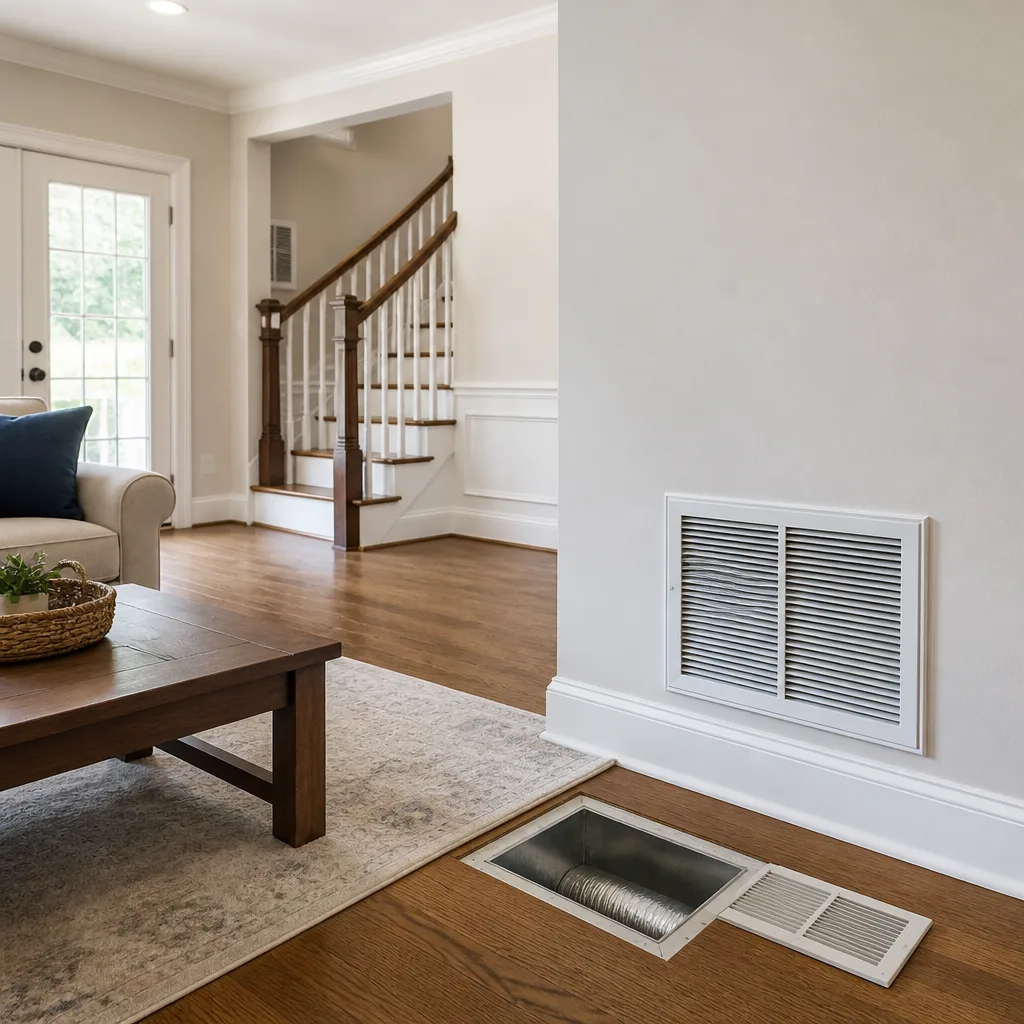 Whole-home duct cleaning
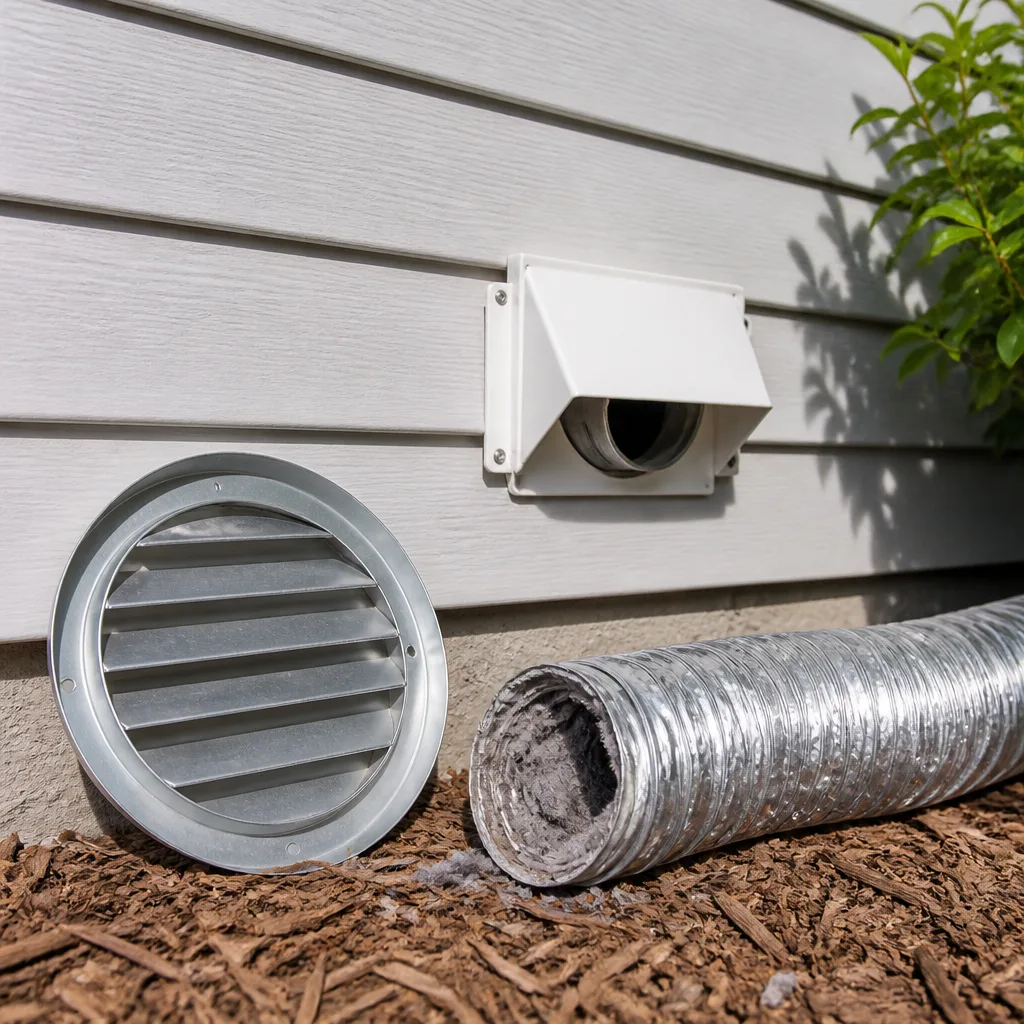 Dryer vent cleaning
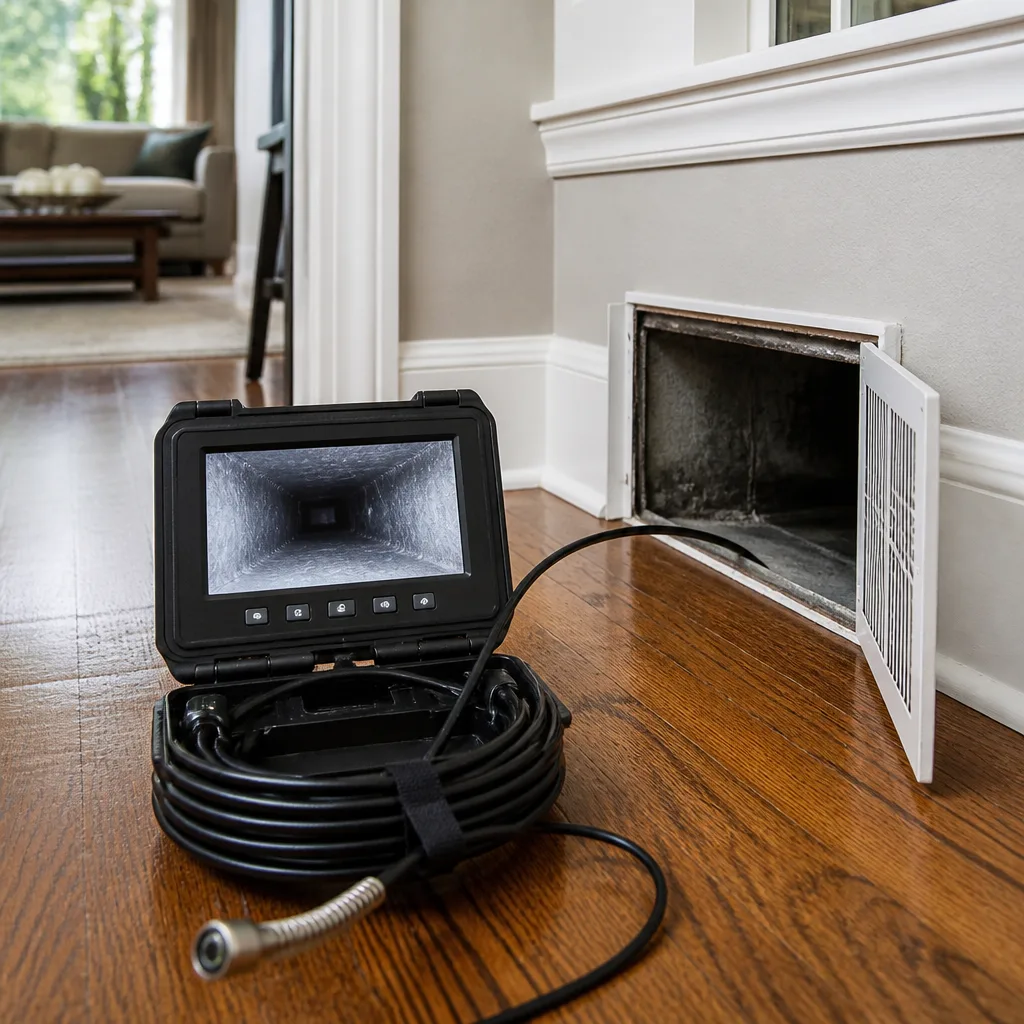 Camera inspection
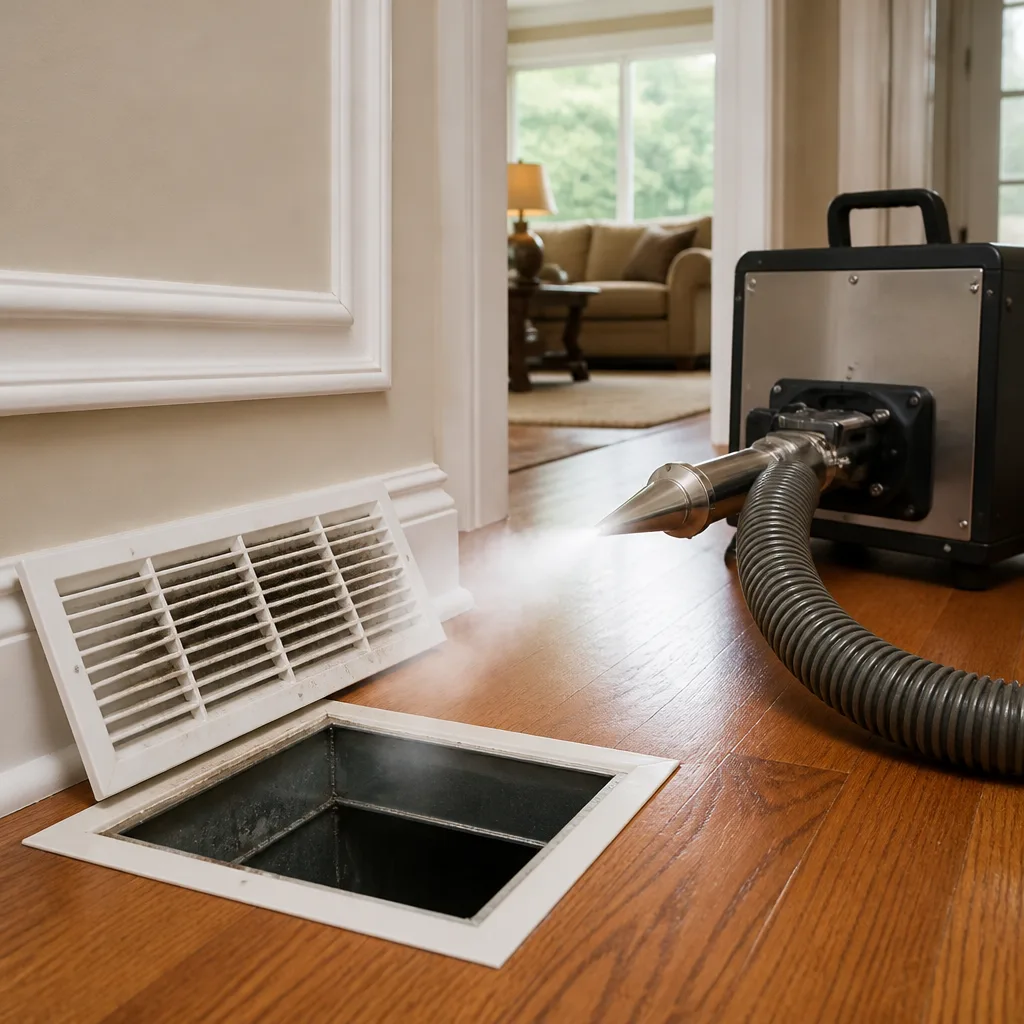 Sanitizing & deodorizing
Whole-system duct and dryer vent check with before-and-after photos - you see exactly what came out of your vents
That "$99 whole-house special" is a bait ad - the real number appears once they are in your hallway, or the "clean" is a shop-vac at the register. We photograph the inside of your ducts before and after instead.
The Complete Guide to Air Duct Cleaning in Tracy
Most duct cleaning guides are written for a hypothetical home in a hypothetical climate. Tracy isn’t hypothetical. This city sits where Delta winds push through the Altamont Pass and meet San Joaquin Valley agricultural dust, wrapped in winter tule fog and ringed by some of California’s fastest-growing new housing. That combination produces a contamination profile you won’t find in a national template: fine soil particulate, seasonal moisture in the return plenum, and construction gypsum dust that settles deep in the trunk line. This guide maps the real cleaning process to those conditions, so you know exactly what should happen inside your system, what the technician should document, and how to tell thorough work from a decorative pass.
Quick Answer
Air duct cleaning in Tracy means mechanically dislodging debris from every branch and the main trunk with contact brushing while holding the system under strong negative pressure, so what comes loose gets captured instead of blown into your rooms. A legitimate job uses commercial equipment, documents conditions at each register and at the trunk before and after, and follows the NADCA ACR assessment standard. Anything less than a full-system, contained cleaning is agitation without removal.
Styles & brands we work with
- Whole-home duct cleaning
- Dryer vent cleaning
- Camera inspection
- Sanitizing & deodorizing
Table of Contents
- Why Tracy’s Climate Creates a Duct Problem You Won’t Read About Elsewhere
- Tule Fog Season and Moisture in the Return Plenum
- Post-Construction Dust in Tracy’s Newer Subdivisions
- The Equipment Threshold: Negative Pressure, Contact Brushing, and What Separates Real Cleaning from Decorative Cleaning
- What Your Technician Should Document at Every Register
- The NADCA ACR Standard in Plain Language
- When Cleaning Isn’t Enough: Duct Repair as Part of the Job
- Dryer Vent Cleaning: The Overlooked Half of the System
Why Tracy’s Climate Creates a Duct Problem You Won’t Read About Elsewhere
Duct contamination in Tracy isn’t a generic “dust happens” story. It’s a specific mix that changes with the season and with where in the city you live. Homes near the Delta edge of town pull in fine particulate on the afternoon wind, while properties closer to the valley floor get the agricultural dust that lifts during field work and settles across rooftops. Add the winter fog and the sheer pace of new construction, and the system in a Tracy house faces a load that most cleaning checklists don’t account for.
That matters because the type of debris determines the cleaning method. Fine, dry soil particulate behaves nothing like damp, clumped material in a plenum. Sticky construction dust from drywall and joint compound behaves differently again. A technician who runs the same routine on every house is guessing at your problem. A technician who inspects and identifies it first is cleaning.
So the honest starting point for any guide to air duct cleaning is this: your system’s debris load is local, and the cleaning should be sized to it. If you want the broader picture of how Duct Cleaning Tracy approaches the trade, that’s the reference point. What follows gets into the specific conditions that make a Tracy job different.
The Three Local Contaminant Sources
- Agricultural particulate: fine soil and organic dust from the surrounding valley that enters through the return during dry months.
- Seasonal fog moisture: tule fog pushes humid air into the return plenum, and damp surfaces hold everything that lands on them.
- Construction dust: gypsum, joint compound, and sawdust from new builds and renovations, which settles deep and doesn’t lift with a light vacuum.
Tule Fog Season and Moisture in the Return Plenum
Tule fog is the dense, low winter fog that settles across the San Joaquin Valley, and in Tracy it drives real moisture into return-air plenums. That’s the part most guides skip. Dry debris sitting in a duct is a nuisance. Damp debris is a growth medium. When the return plenum holds humid air for days, the settled dust on its surfaces takes on moisture, and that’s when microbial growth becomes a possibility rather than a theory.
We don’t hand out a fixed timeline, because growth depends on how much material is on the surface, how much airflow passes it, and how long the damp stretches last. What we can say is that the moisture load is seasonal and predictable. Late fall and winter are when return plenums stay wettest. A homeowner who runs a seasonal inspection before fog season catches damp buildup early, before it becomes a remediation concern rather than a cleaning job.
What to Check Before Fog Season
- Look at the return grille: a sheen or dark film on the grille and the plenum surface behind it suggests moisture has been sitting there.
- Smell the return: a musty or earthy odor pulled through the return when the fan runs points to a damp surface somewhere in the system.
- Note humidity in the home: high indoor humidity in winter keeps the plenum damp longer between fog events.
- Check the air handler cabinet: standing moisture or rust at the cabinet base is a sign the system isn’t drying out between cycles.
If those checks turn up a problem, the fix isn’t a light pass with a consumer vacuum. It’s containment and proper filtration. That’s where capability like Abatement Technologies air-filtration equipment matters, because it’s built to hold contaminant during removal rather than spreading it. If the moisture issue has progressed, a proper inspection should come before any cleaning.
Post-Construction Dust in Tracy’s Newer Subdivisions
Tracy has grown fast, and new construction leaves a dust signature that routine cleaning doesn’t address. In the newer subdivisions around the Mountain House border and the Ellis subdivision, the duct systems have gone through the entire build process with the rest of the house. Drywall dust, joint compound residue, and sawdust settle in branch lines and the trunk before anyone moves in. The construction crew sweeps up the floors. The ducts keep what they collected.
This is where compressed air alone fails. Blowing air through a duct full of gypsum dust just launches it. It doesn’t remove it, and it doesn’t contain it. Post-construction cleaning needs HEPA-vacuum containment so that what’s dislodged gets captured under negative pressure rather than re-entering the living space. The same principle applies to a remodel in an older Tracy home, where the dust load mixes with the existing debris in the system.
A technician cleaning this kind of load should use contact tools in the branches, not just air agitation, and should confirm the trunk line has been reached. That’s the “one visit, full system” approach: cleaning, plus a filter upgrade in the same appointment if the filtration is undersized for the conditions. That’s where Honeywell and Aprilaire filtration products earn their place, because a system that’s cleaned and then left with the original low-grade filter will be right back where it started.
The Equipment Threshold: Negative Pressure, Contact Brushing, and What Separates Real Cleaning from Decorative Cleaning
Here’s the single most useful thing you can learn from this guide: there’s an equipment threshold that separates effective cleaning from decorative cleaning. Decorative cleaning looks busy. It fogs the registers, runs an air whip, maybe wipes the grille covers, and leaves the system’s actual debris where it was. Effective cleaning holds the entire system under strong negative pressure while contact tools mechanically scrub the duct surfaces, so the debris is loosened and then captured.
The number worth knowing is 4,000 CFM of negative pressure at minimum on the collection side. That’s the threshold above which the equipment can hold a residential system under real containment while work proceeds. Consumer-grade vacuums fall far below it. Commercial extraction units meet or exceed it. It’s not marketing language; it’s a measurable difference in whether the debris leaving the duct goes into the machine or into your air.
What the Right Equipment Actually Does
- Contact-brush cleaning (Rotobrush systems) scrubs the interior duct surface rather than relying on air alone, which is the only way to reach clumped or damp material.
- Negative-pressure extraction (Nikro and comparable commercial units) captures dislodged contaminant at the source before it can spread.
- HEPA filtration containment handles fine particulate, especially the gypsum dust from new construction and remodels.
- Source-level inspection cameras let the technician see inside the trunk line, not just the branch mouths.
When we assess a job, the first question is whether the equipment on site meets the threshold. If it doesn’t, the cleaning can’t be verified, and the homeowner has no way to tell whether the work did anything. Commercial-grade equipment, residential pricing – that’s the standard the job should be measured against. And in our experience across Tracy, that standard is rare enough that the equipment list alone tells you most of what you need to know about a quote.
What Your Technician Should Document at Every Register
Photographs are the difference between a cleaning claim and a cleaning record. At every register, the technician should capture the condition before cleaning and after, so that the homeowner can verify what changed. But the register photos, in our view, are the least important of the set. What matters most is the trunk line.
The reason is simple. Registers are the visible ends of the system, and they’re easy to make look clean. Wiping the cover takes seconds and proves nothing. The trunk line and the plenum are where the volume of debris lives, and where the cleaning either happens or doesn’t. If a quote or a job record is heavy on register wipes and light on trunk documentation, the work hasn’t been proven.
The Documentation Set
- Before photos at each register, showing the grille and the visible duct interior where accessible.
- Before photos of the main trunk line and the return plenum, which carry the bulk of the debris load.
- Photos of the air handler cabinet and coil face, since dust at the coil is part of the same system problem.
- After photos taken from the same angle at each of the same locations, so the comparison is honest.
- A written summary of the trunk and plenum condition before and after, with the technician’s notes on anything that needs repair or filtration attention.
If you want to see the condition of your own system before work begins, ask the technician to walk you through the trunk photos on the site. That transparency is what “see what’s inside your ducts before we start” means in practice. It’s also how a homeowner can spot a job that skipped the trunk line. In the Tracy market, where the debris sources are heavy, the trunk line is the part that needs the most attention, so it’s the part that should be photographed most.
The NADCA ACR Standard in Plain Language
NADCA’s ACR standard is the assessment, cleaning, and restoration standard for HVAC systems, and it’s the framework that separates a professional job from an informal one. In plain language, the ACR standard means three things happen in order: an assessment of the system’s condition before any cleaning, a cleaning that follows defined procedures, and a restoration step that returns the system to a verifiable, working condition after cleaning. Each stage has documentation requirements.
You don’t need to memorize the standard to use it. You need to check three things during the job, while the technician is still on site and the system is still open.
The Three-Verification Test
- Assessment happened first: the technician inspected and documented the system before cleaning. If the equipment was running before the photos were taken, the assessment was skipped.
- Cleaning used contact tools under negative pressure: you should see a brush-based system in the ductwork and an extraction unit connected to the system, not just a hand tool at the register.
- Restoration was documented: the technician took after photos at the same locations and noted the condition of the trunk and plenum, plus any repair or filtration needs.
If any of those three is missing, the job hasn’t followed ACR. It’s worth saying plainly: the standard isn’t an upsell, it’s the minimum. A technician who can’t describe the assessment, cleaning, and restoration stages in order, and show the documentation, is improvising. And when we’re on a job in Tracy, the ACR sequence is the spine of the visit, because it gives the homeowner a way to verify the work during the job rather than hoping afterward.
When Cleaning Isn’t Enough: Duct Repair as Part of the Job
Cleaning a compromised duct system doesn’t fix the compromise. If a branch has disconnected at a joint, a flex run has collapsed, or a trunk seal has failed, the cleaning removes debris and the leak stays. The result is a system that loses conditioned air into a crawlspace or an attic and pulls unfiltered air into the supply. That’s why air duct repair should be part of the same service visit as the cleaning, not a separate referral.
Most duct cleaning companies flag a leak and walk away, leaving the homeowner to find a repair contractor. That’s a gap in the market more than a gap in the trade. The same crew that cleans the system can identify and seal a compromised section while the equipment is on site, so the system that finishes the visit is sealed and clean rather than clean and leaking. In our experience, the seams and joints at branch transitions are where issues concentrate, and they’re often invisible until the trunk inspection camera gets there.
Signs You May Need Duct Repair
- Uneven room temperatures: one room runs hot or cold regardless of the settings, which can indicate a disconnected or collapsed branch.
- Rising energy bills without a change in use: lost conditioned air in a sealed duct system shows up as extra load on the equipment.
- Dust at the register that returns within days: a leak downstream of the filter pulls unfiltered air into the supply, and the register shows it.
- Visible sagging or kinked flex duct: a collapsed run restricts airflow and is a repair, not a cleaning, problem.
Repair is a standalone service here, not a tack-on. If the inspection turns up a compromised section, the cleaning and the repair can be handled in the same appointment. That’s the “we clean it and fix it” point that matters for a system this loaded with local debris.
Dryer Vent Cleaning: The Overlooked Half of the System
Lint is the leading cause of residential dryer fires, and the ducting behind the dryer is where it accumulates out of sight. That makes dryer vent cleaning a safety service, not a comfort one. It belongs in the same appointment as the air duct cleaning because the two share the same equipment, the same technician, and the same visit. The lint load in a Tracy home tracks the same seasonal patterns as the duct debris: dry months send more lint airborne, and the vent collects it.
The cleaning itself is mechanical. The technician runs a brush system through the vent line from the dryer connection to the exterior termination, removes the accumulated lint, and confirms the airflow path is clear. What you should check after the visit: the vent terminates outdoors and the flap opens fully when the dryer runs, the dryer’s lint trap is clear, and the technician documented the vent condition before and after. A dryer vent that takes noticeably longer to dry a load, or that feels hot to the touch at the back, is due for a cleaning.
One note on the air-side cleaning that pairs with this: the same filter upgrades that serve the duct system (Honeywell and Aprilaire products) can be serviced in the same visit if the home’s filtration is due. One appointment, full system, no piecemeal visits.
Common Mistakes to Avoid
- Skipping the trunk line documentation. Register wipes are easy and prove little. If a quote or a job record doesn’t show the main trunk before and after, the cleaning can’t be verified.
- Accepting compressed air alone for post-construction dust. In a Tracy subdivision home, gypsum dust launched by an air whip without HEPA containment ends up in the living space, not the machine.
- Choosing the quote with the lowest line item. A job priced far below the market for a full system is a job missing equipment or missing the system. Ask what equipment is coming to the site and what will be documented.
- Ignoring the return plenum before fog season. A quick look at the return grille and the plenum surface behind it catches moisture issues before they become a restoration job.
- Treating duct repair as a separate project. A leak identified during cleaning gets sealed in the same visit, or the cleaning shrinks in value once the air escapes the seam.
- Cleaning without assessing. If the equipment starts before the technician has documented the system condition, the assessment step was skipped and the ACR sequence was broken.
- Forgetting the dryer vent. A clean duct system and a lint-clogged dryer vent is a system half-serviced, and the dryer vent is the safety half.
See the difference
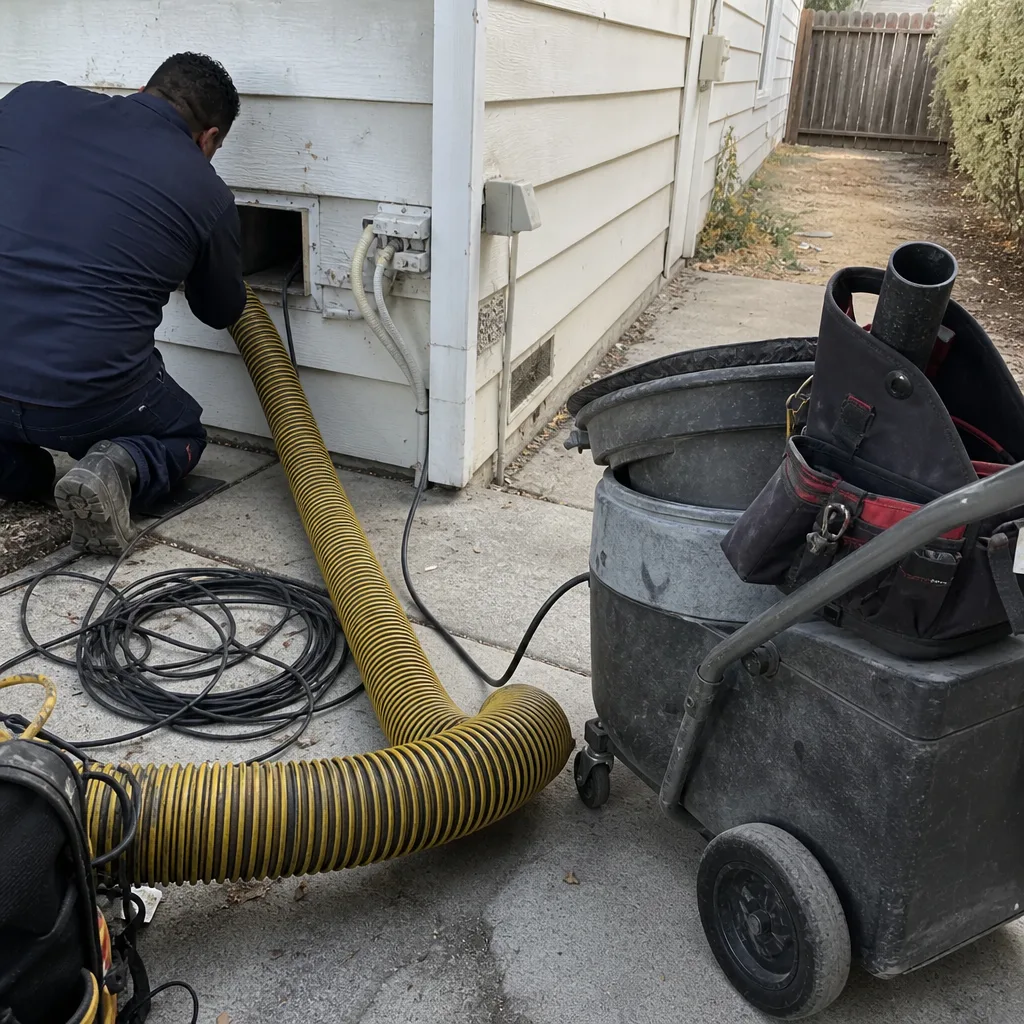 Before
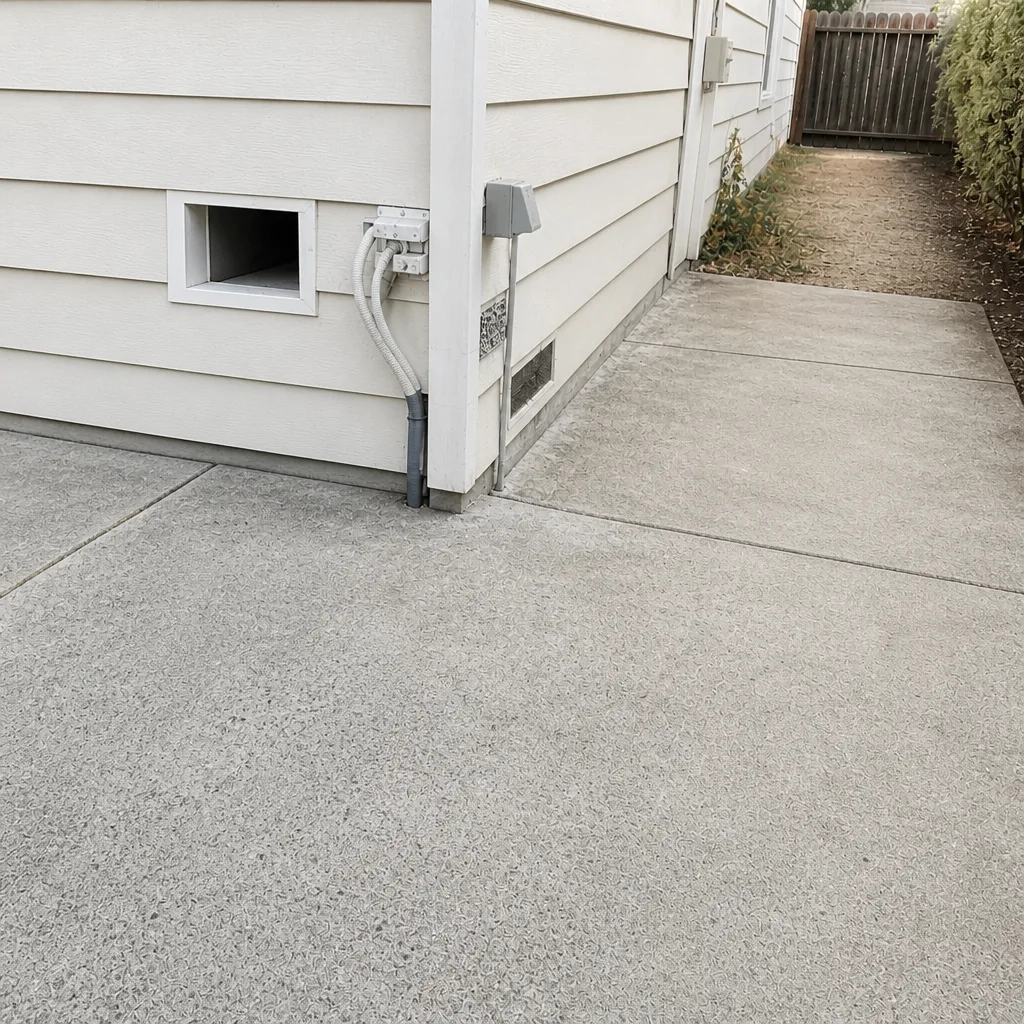 After
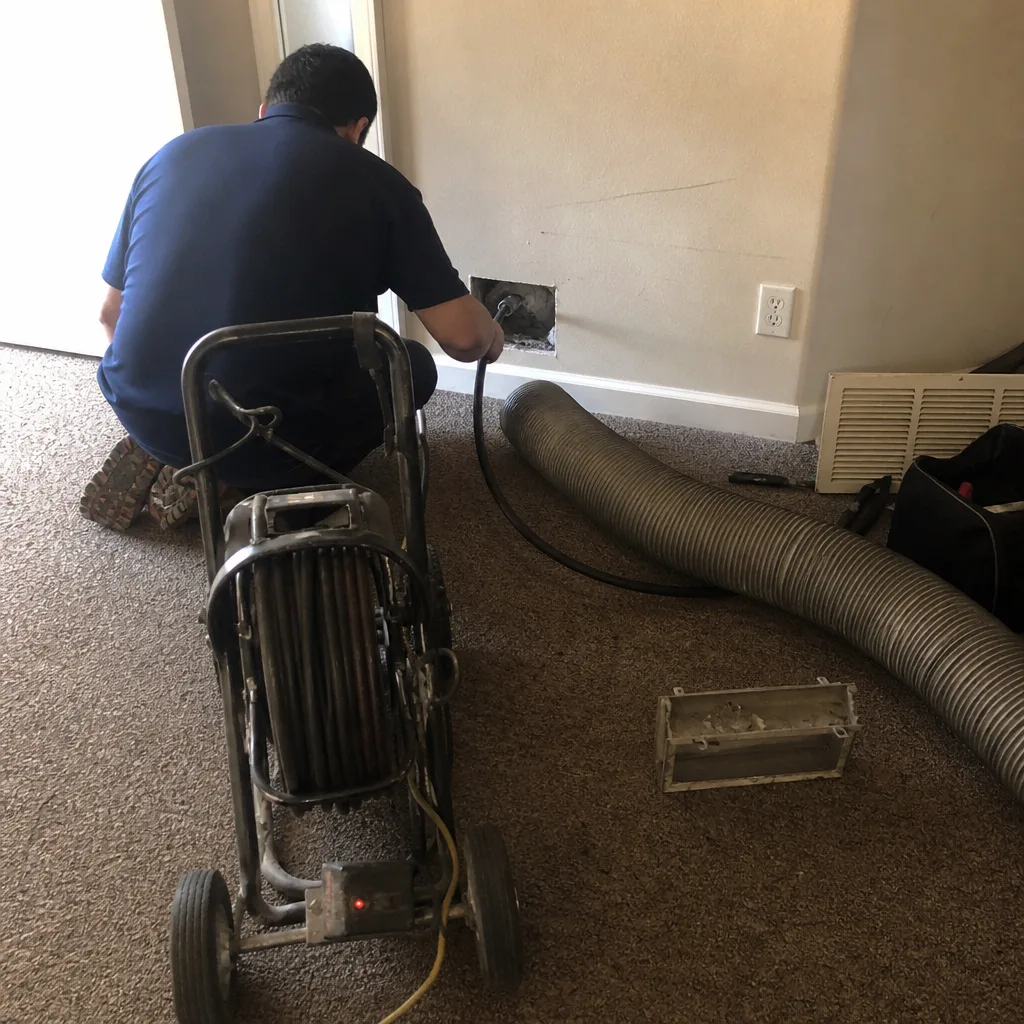 Before
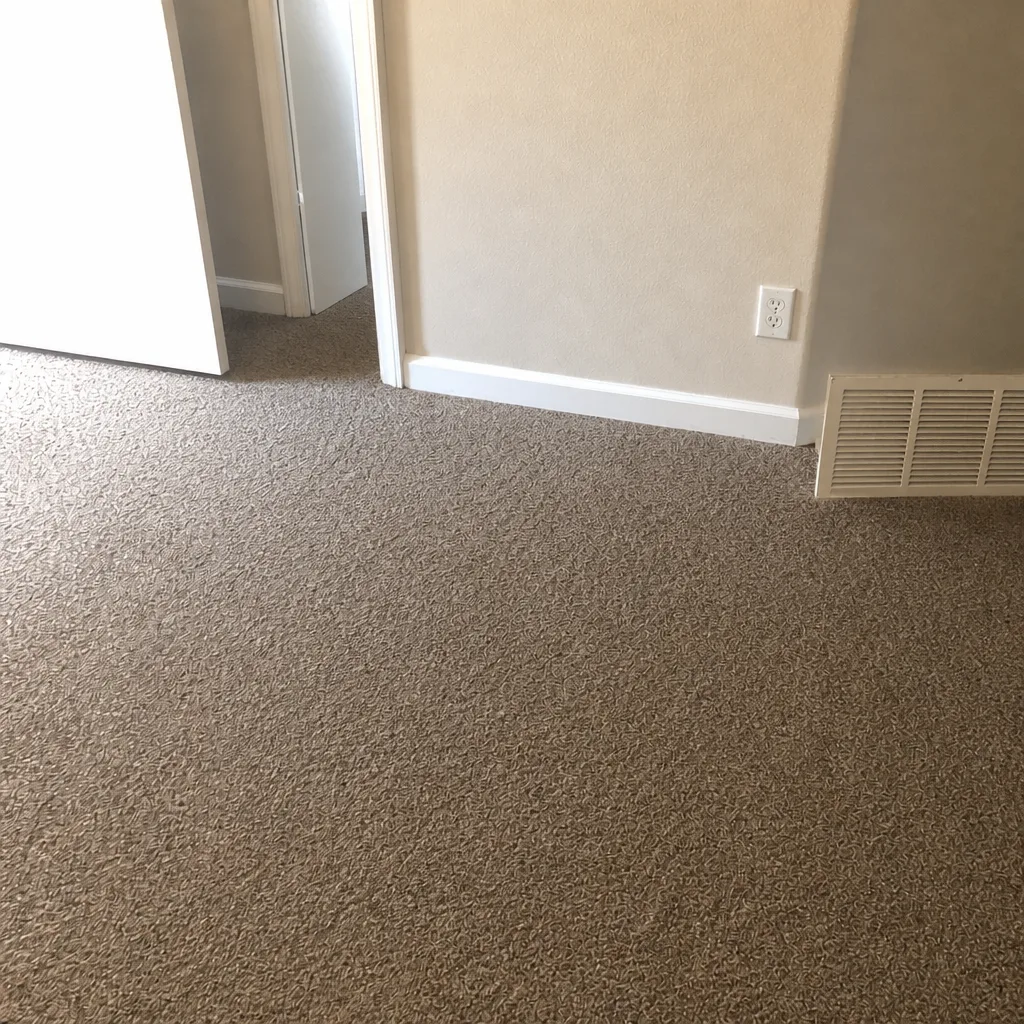 After
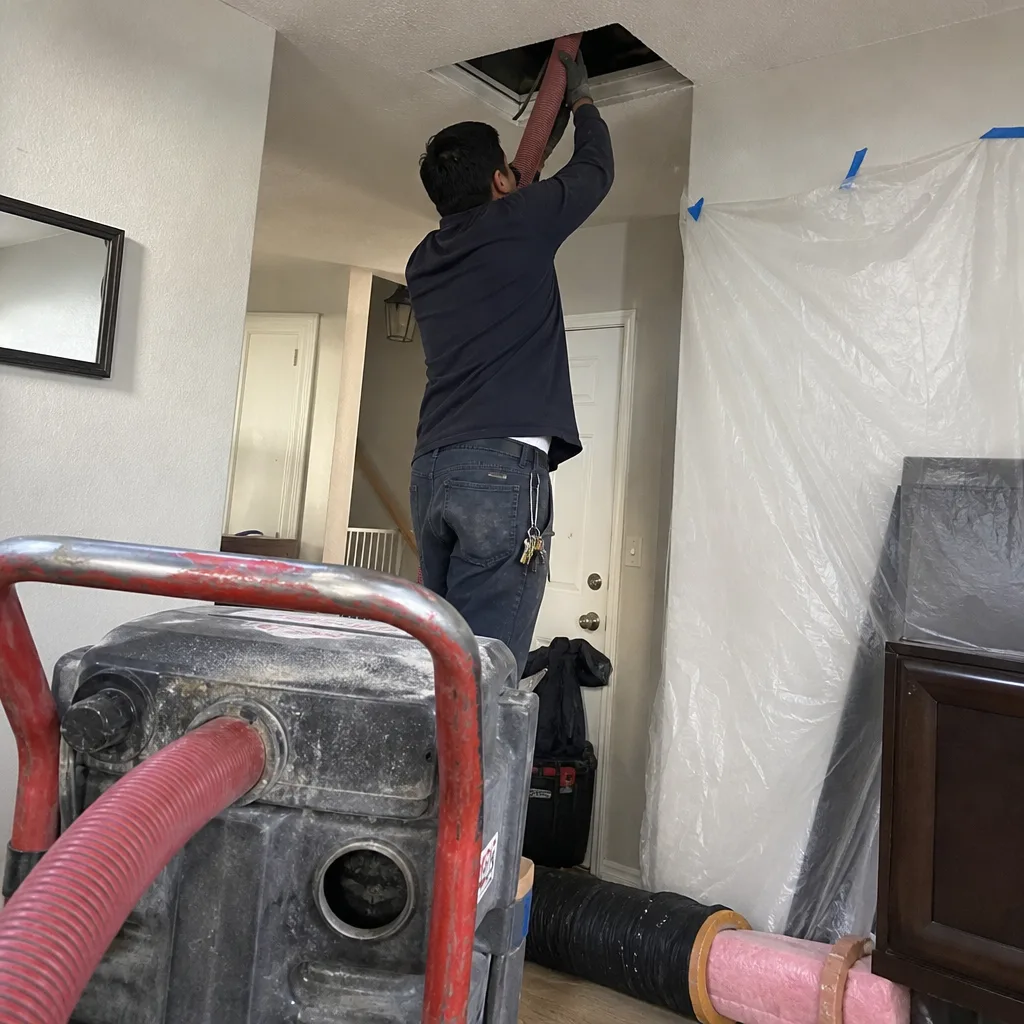 Before
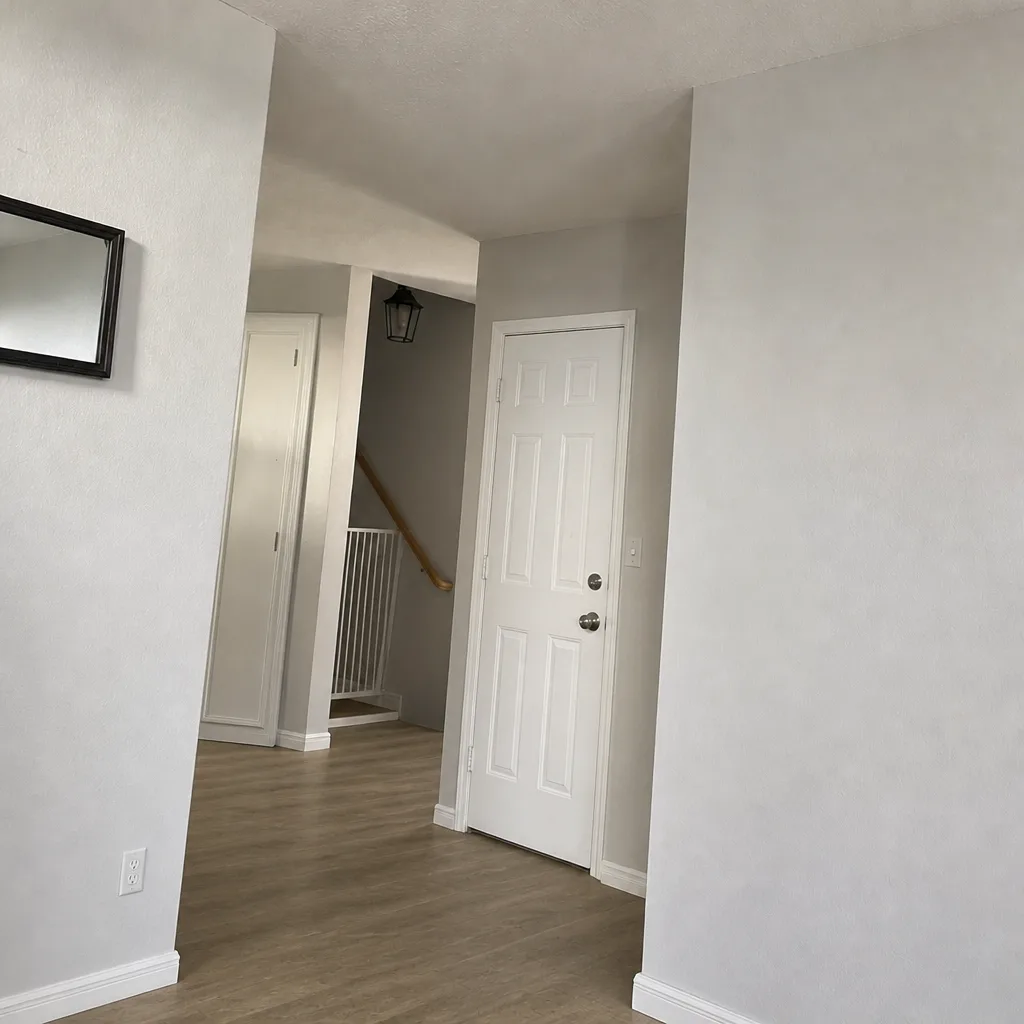 After
When to Call a Professional
Call a professional when you can see or smell a problem, when the system is new construction or just renovated, and when the system has been running for years without a documented cleaning. Specific triggers: visible dust blowing from a register after the fan starts, a musty smell from the return, uneven room temperatures that suggest a leaking branch, or a dryer that takes longer to dry a load. Call when you’re buying a home that has been through a remodel. Call after construction dust has settled into a new system. If the return plenum has shown any moisture from fog season, call before the next winter. Duct Cleaning Tracy offers free estimates in Tracy – call (866) 429-7345. We answer 24/7. Fast dispatch from 7am to 7pm, Sunday through Friday. A call outside dispatch hours is booked into the next opening.
Our technicians have up to 8 years of experience, and the estimate is free. The written estimate sets the final price, per system, before any work starts. That’s the flat-price standard, and it’s the answer to the biggest hesitation this trade has: no teaser price that grows on site, no per-vent pricing, and before-and-after photos of your own ducts as part of the record.
Frequently Asked Questions
A whole-system cleaning is priced per system, not per vent, and the written estimate sets the final price before any work starts. Ask any company to quote the full system and to show what’s included; a per-vent quote with a low headline figure is where the surprise invoices come from. Call (866) 429-7345 for an exact quote – estimates are free.
A cheap quote usually leaves out the equipment or leaves out the system: compressed air instead of contact brushing, no negative-pressure containment, or a light pass on the registers with the trunk line untouched. In a Tracy home with agricultural particulate and construction dust in the system, those shortcuts produce a visible “clean” and an unchanged duct. Call (866) 429-7345 for a free estimate that covers the full system.
You check the documentation during the job, not after it. The technician should show before and after photos at every register and, more importantly, at the trunk line and return plenum, then walk you through what changed. If you don’t get that record, the job hasn’t been verified. Call (866) 429-7345 and ask about the documentation set before you book.
More often than in a mild, dust-free climate, because Tracy sits where agricultural particulate, fog-season moisture, and construction dust combine. Practical triggers are a visible dust plume at a register, a musty return odor, a recent remodel or new build, or years since the last documented cleaning. Call (866) 429-7345 to have the system inspected and the cleaning timed to the actual debris load.
It’s the minimum collection capacity the equipment needs to hold a residential system under real negative pressure while the technician works. Below that, dislodged debris ends up in the living space instead of the machine. Ask what equipment is coming to the site; commercial extraction units meet the threshold, consumer vacuums don’t.
Yes. New builds in the subdivisions around the Mountain House border and the Ellis subdivision carry a heavy load of gypsum dust, joint compound, and sawdust that settled in the ducts during construction. That load needs HEPA-vacuum containment, not compressed air, and the trunk line needs to be reached. Call (866) 429-7345 to book a post-construction cleaning with full documentation.
The Bottom Line
Duct cleaning in Tracy is a local problem with a local answer: fine agricultural particulate, fog-season moisture in the return plenum, and construction dust from fast-growing subdivisions. The cleaning that handles it uses contact-brush systems under at least 4,000 CFM of negative pressure, documents the trunk line before and after, follows the NADCA ACR sequence from assessment through restoration, and repairs compromised sections in the same visit rather than referring them out. Dryer vent cleaning belongs in the same appointment because it’s the safety half of the system. Call Duct Cleaning Tracy at (866) 429-7345 for a free estimate. We answer 24/7. Fast dispatch from 7am to 7pm, Sunday through Friday.
Written by the team at Duct Cleaning Tracy.