
Last updated November 15, 2026
 Whole-home duct cleaning
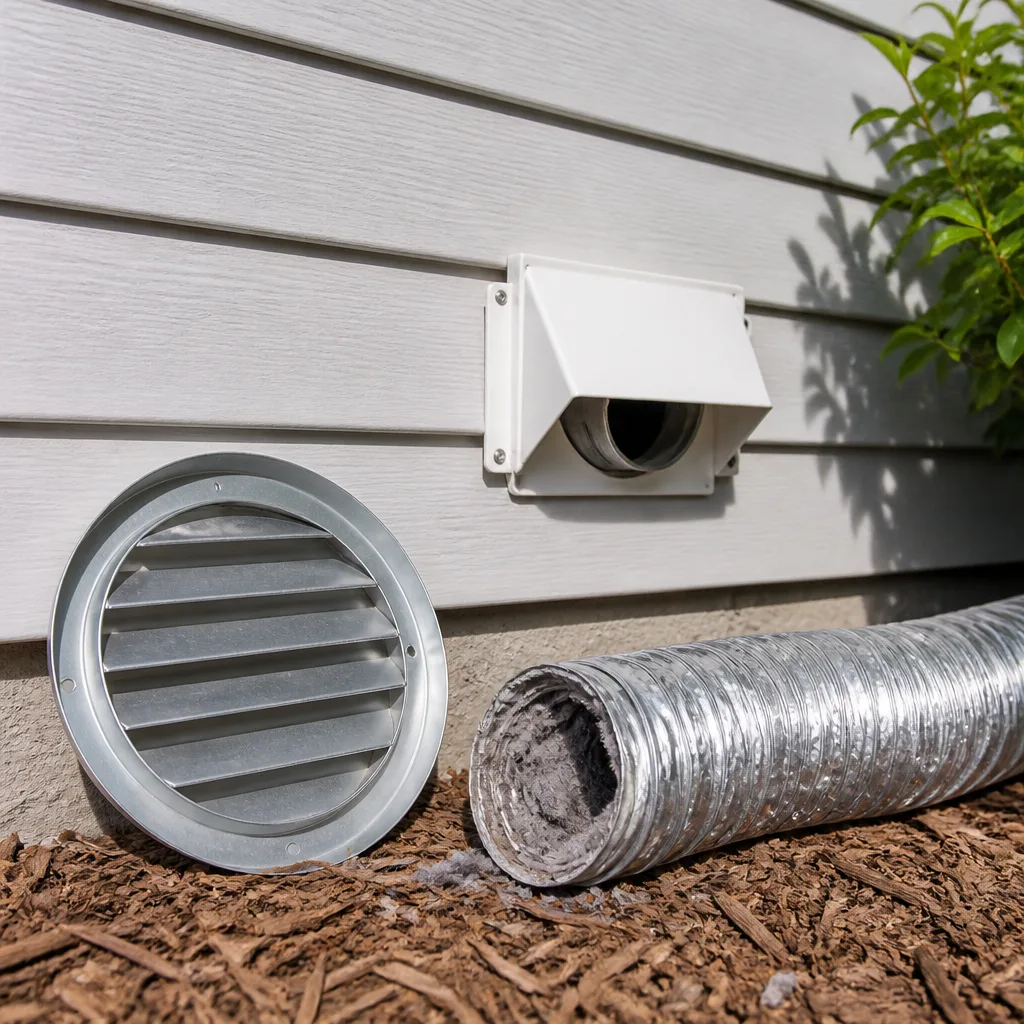 Dryer vent cleaning
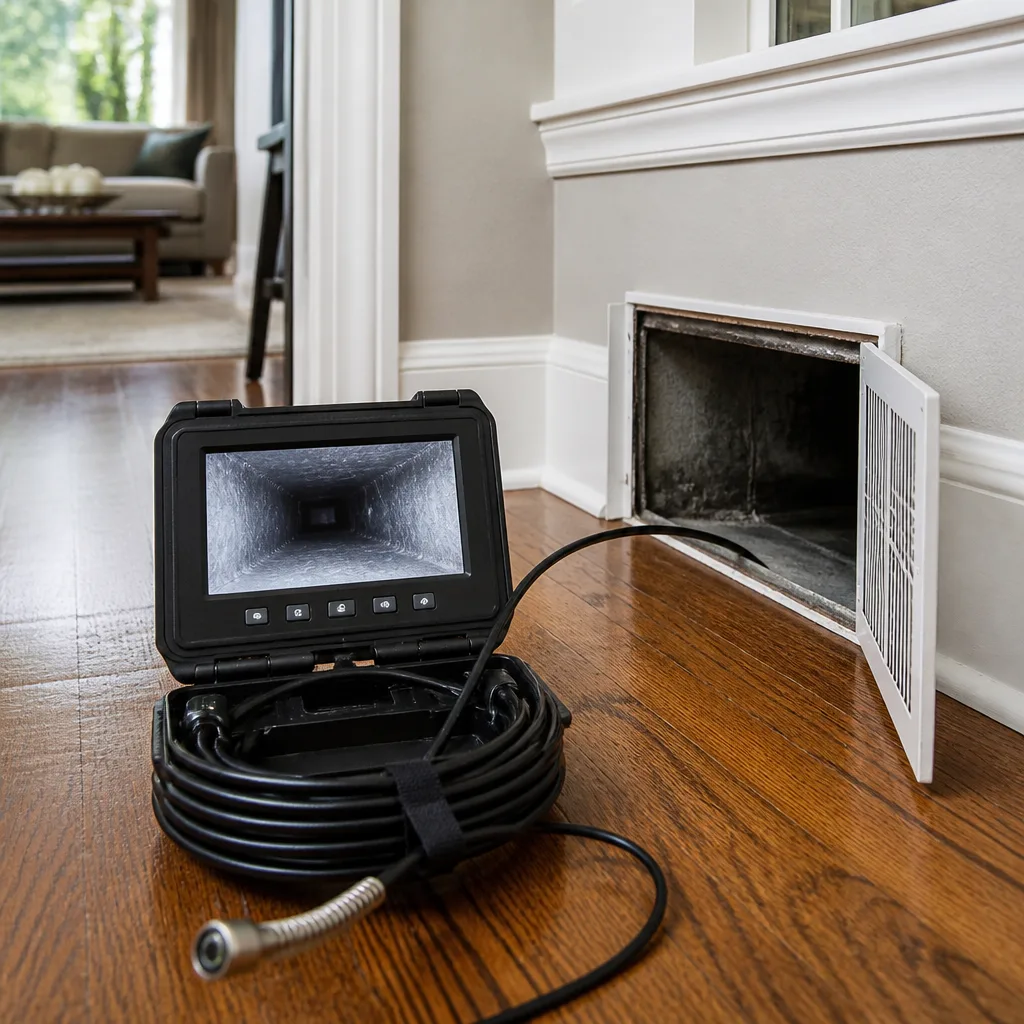 Camera inspection
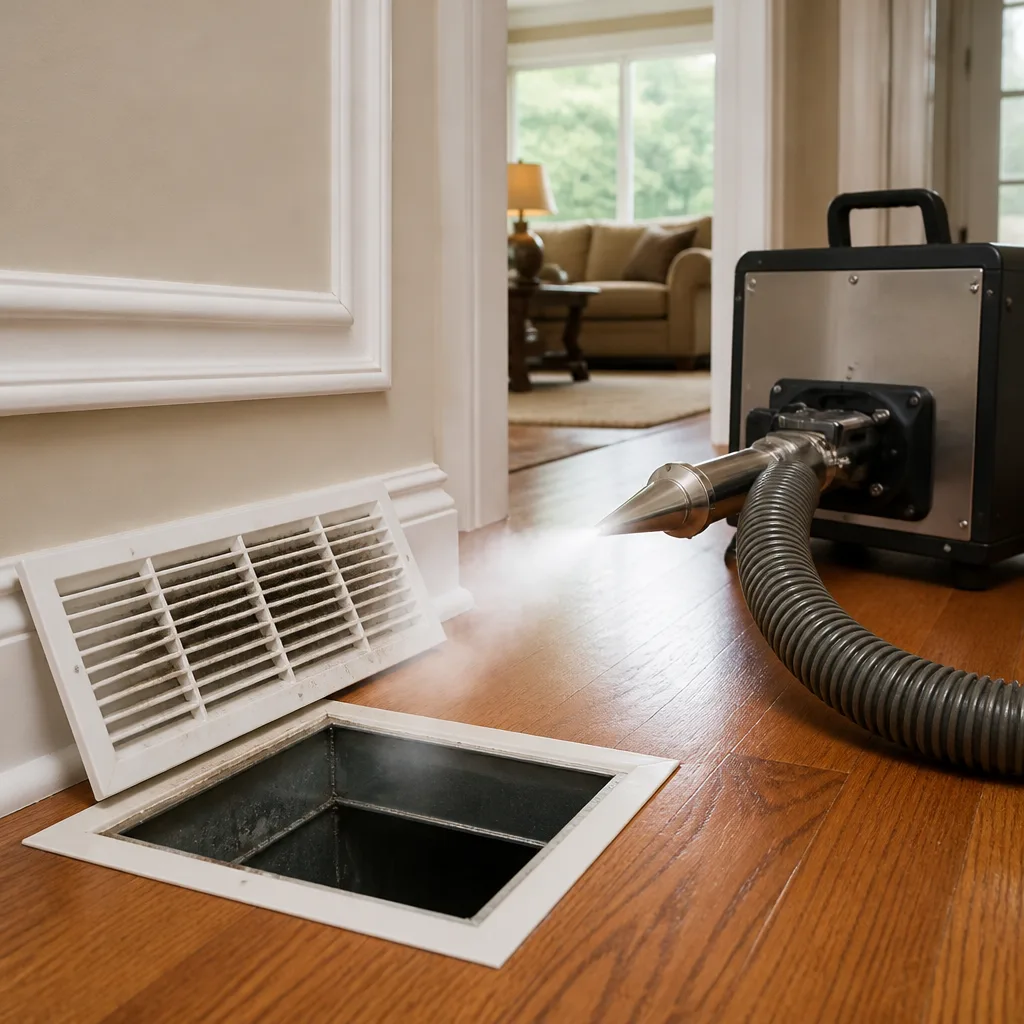 Sanitizing & deodorizing
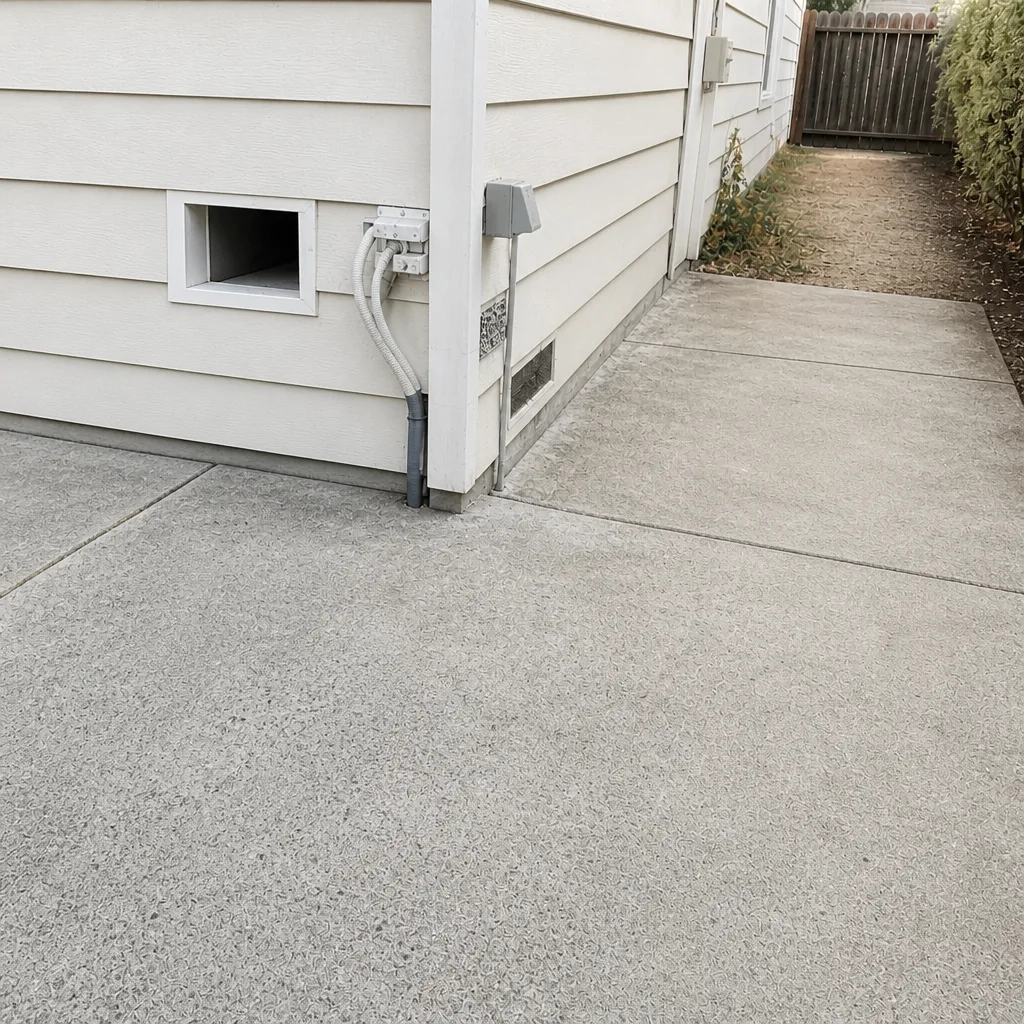
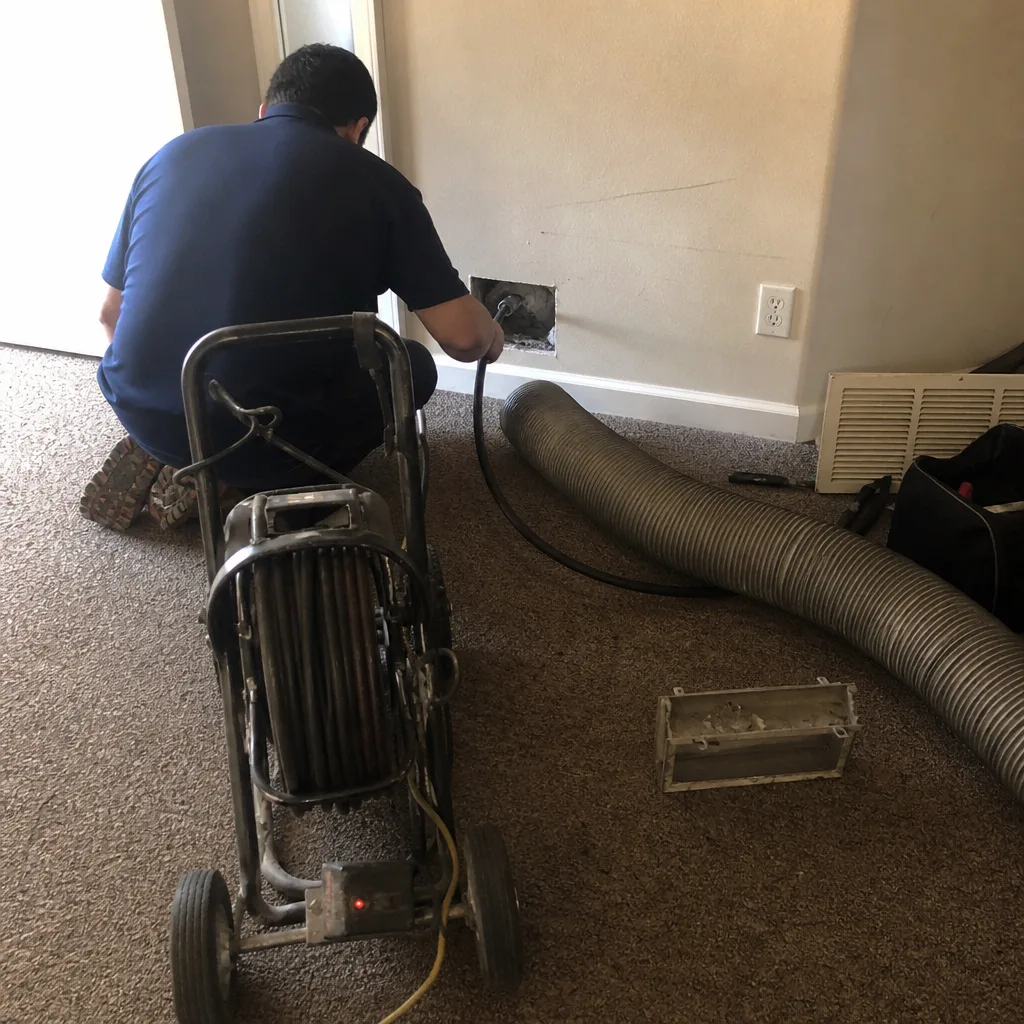
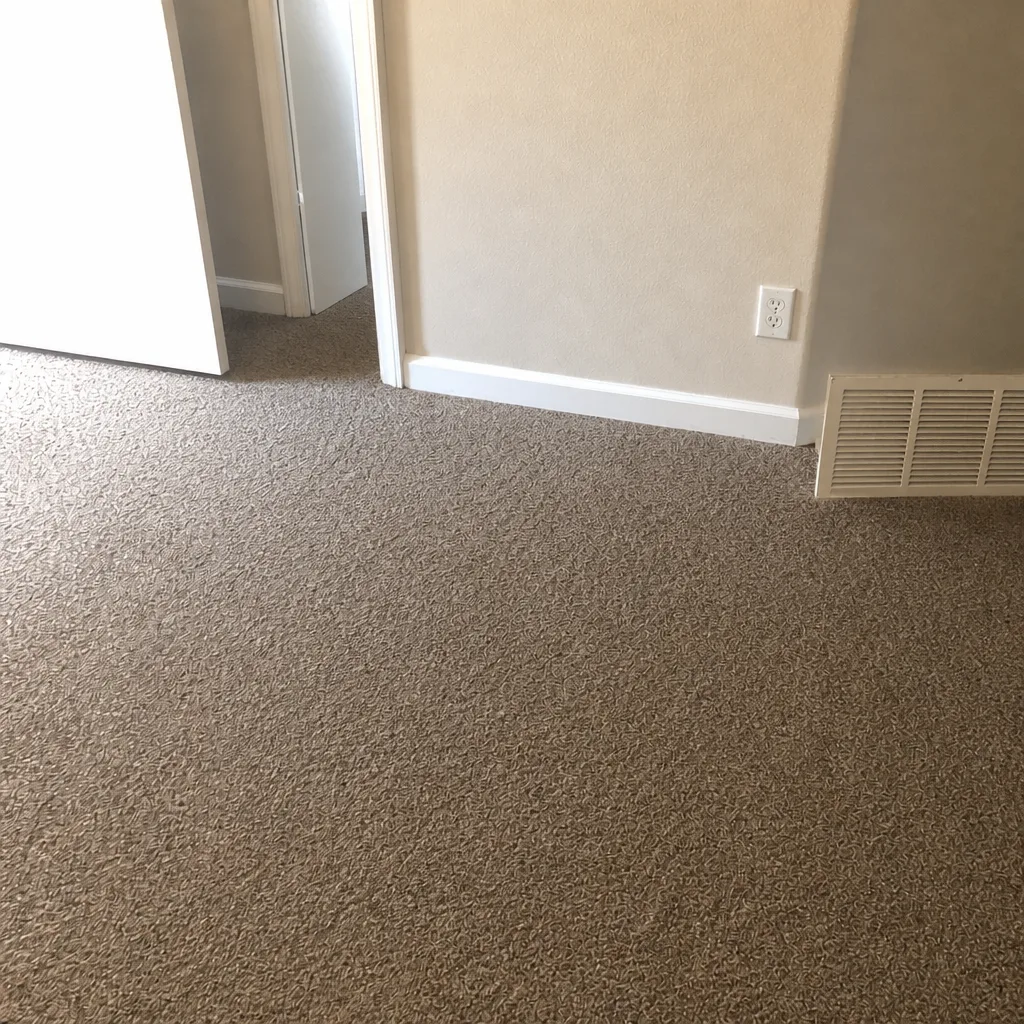
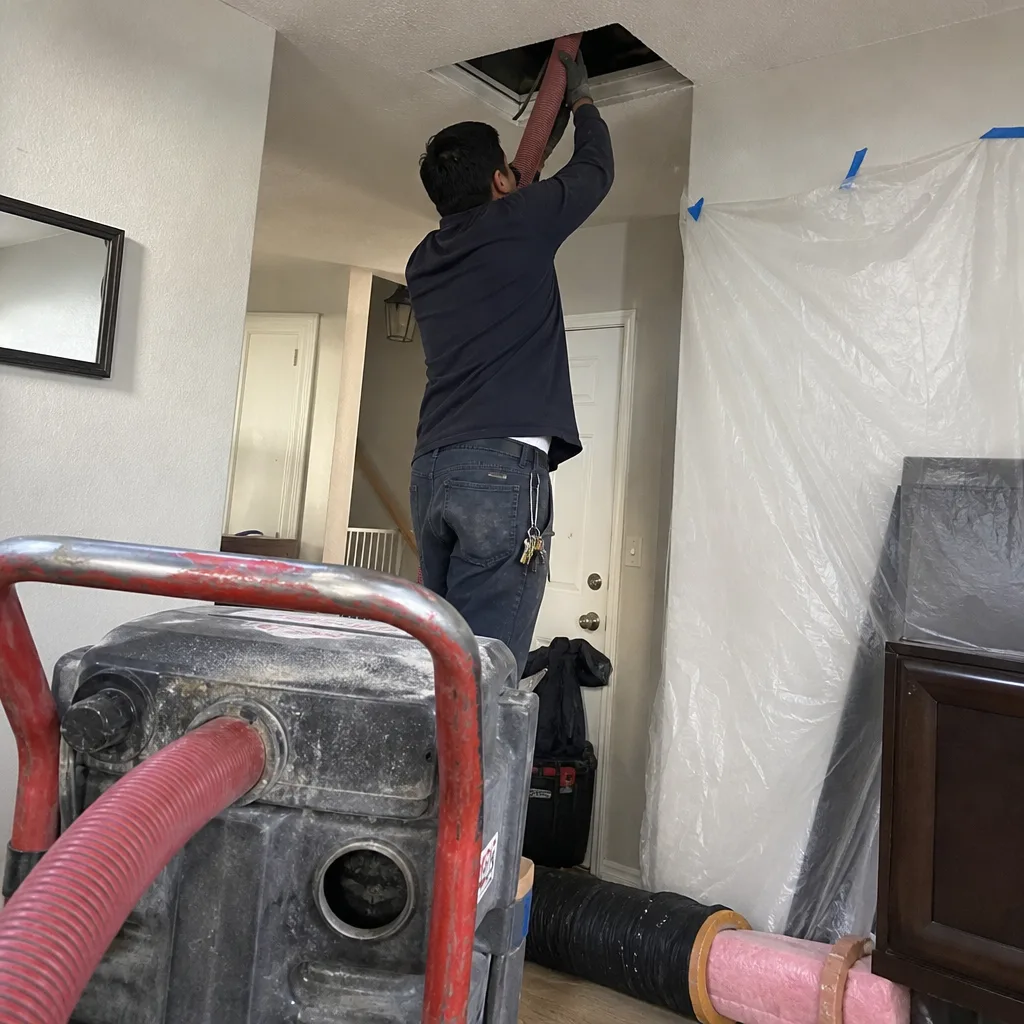
Whole-system duct and dryer vent check with before-and-after photos - you see exactly what came out of your vents
That "$99 whole-house special" is a bait ad - the real number appears once they are in your hallway, or the "clean" is a shop-vac at the register. We photograph the inside of your ducts before and after instead.
Seasonal Air Duct Cleaning Care for Tracy: Year-Round Homeowner’s Guide
Most seasonal HVAC guides are written for a climate that doesn’t exist here. They talk about sealing ducts against arctic cold or running dehumidifiers through swampy summers. Tracy doesn’t live in either world. The Central Valley has its own contamination calendar, and it’s driven by things a national template never accounts for: tule fog settling in low winter air, orchard bloom and field preparation in spring, dust and smoke through the fall. If your maintenance schedule was copied from a generic checklist, it’s aimed at the wrong months. This guide walks through what each season actually puts into your ductwork in Tracy, and how to time cleaning around it.
Quick Answer
The best time to clean air ducts in Tracy depends on what your system is dealing with, but the two highest-value windows are late winter (before spring field preparation and bloom) and late spring (before peak cooling season). A full whole-system cleaning once a year, timed to those windows, keeps debris from compacting in supply runs and re-entering your living space each time the system cycles. Homeowners with allergies, pets, or a recently purchased older home often benefit most.
Styles & brands we work with
- Whole-home duct cleaning
- Dryer vent cleaning
- Camera inspection
- Sanitizing & deodorizing
Table of Contents
- Why Tracy’s Climate Calendar Doesn’t Match National Guides
- Winter (November to February): Tule Fog and What Musty Airflow Means
- Spring (March to May): Field Preparation, Orchard Bloom, and Filter Timing
- Summer (June to September): Heat, Runtime Hours, and Compacted Debris
- Fall (October to November): Harvest Dust and the Return Grille Inspection
- How to Build a 12-Month Maintenance Log Anchored to Local Events
- Why Duct Repair Belongs on a Seasonal Checklist
- Common Mistakes to Avoid
Why Tracy’s Climate Calendar Doesn’t Match National Guides
The weather pattern most seasonal guides assume is a northern one: hard freeze, snowmelt, humid summer. Tracy’s pattern is different. Winters here are mild but foggy, and the fog is the part that matters for air quality. Spring brings a burst of agricultural activity across the corridor around Tracy as fields are prepared and orchards and vineyards bloom. Summer is long and dry, with sustained temperatures above 95°F for weeks at a time, then fall arrives with harvest operations and controlled burn events that loft coarse particulate into the air.
None of those are the seasonal anchors a generic guide uses. They’re local, and they load your duct system in distinct ways. Winter fog is a low-level moisture and particulate problem. Spring bloom is a fine-particulate problem. Summer heat is a runtime problem. Fall harvest is a coarse-debris problem. Each one asks something different of your system and your filter, and each one has a natural window where cleaning makes the most sense.
For homeowners in Tracy, thinking of duct maintenance as a single annual task misses this. It’s better understood as a year-round rhythm where you match the work to what the season is pushing through the system. Our air duct cleaning service is built around that idea: clean when the load is at its highest, then filter and repair to protect what you’ve just cleaned.
Winter (November to February): Tule Fog and What Musty Airflow Means
Tule fog is the Central Valley’s signature winter weather: dense, low-lying, often persistent for days. It doesn’t rise and clear like coastal fog. It settles into the valley floor where Tracy sits and stays, holding particulate and moisture close to the ground. That means the air your return ducts pull in during the heating season isn’t the same air you pulled in during October. It’s denser, damper, and carrying whatever the fog has collected on its way down.
How fog infiltrates older slab-foundation homes
Older Tracy homes with slab foundations and original or lightly sealed ductwork are the most exposed. Return-air paths in these homes often run through unconditioned or lightly conditioned spaces, and if there are gaps, disconnected sections, or unsealed joints, the system draws ambient air into the return side. In winter, that ambient air is fog-laden. The system then distributes it through the living space.
You can’t see that happening. What you can notice is the effect. When the heating season starts and the first few cycles carry air that smells musty, earthy, or faintly damp, that’s worth paying attention to. It isn’t normal. In our experience, that smell usually points to one of three things: microbial growth in a duct section that stayed damp, debris that accumulated over the dry season and now sits in a freshly moist environment, or a compromised return path pulling outside air where it shouldn’t. Our technicians have up to 8 years of experience reading these signs, and the first step is always to look inside the system rather than guess.
- Musty smell at the first heat cycles of the season: likely moisture-related debris or growth somewhere in the return side
- Increased dust on registers immediately after startup: accumulated debris being redistributed by increased airflow
- Visible condensation or damp patches near return grilles: a sign of a return path pulling outside air
- Allergy symptoms that flare when the heat comes on: a common pattern when winter particulate reaches living spaces
Late winter, just before spring field preparation starts, is an excellent window for a full cleaning. The system has just carried a season of fog-borne particulate, and cleaning now clears it before spring adds another layer.
Spring (March to May): Field Preparation, Orchard Bloom, and Filter Timing
Spring in the Tracy corridor is agricultural. Field preparation and orchard and vineyard bloom across the surrounding area push a distinct kind of particulate into the air: fine, abundant, and persistent through the season. It travels easily on valley air movement and reaches homes across Tracy, not just those at the edges of town.
This is the season where filter upgrades pay off most. A higher-MERV filter captures finer particulate than a basic filter, which means more of the spring bloom and field dust is stopped before it enters the system. The key timing point: the upgrade needs to happen before the particulate spikes, not after. A filter installed in late May has already missed most of the spring loading. A filter installed in late February or early March catches it.
What we recommend for spring
We stock and service Honeywell and Aprilaire air-quality products, which lets us handle the filter upgrade at the time of a duct cleaning rather than sending you elsewhere. That matters for timing: a system cleaned in late winter and then fitted with a higher-MERV filter is protected for the spring season in a single visit.
- Schedule the cleaning for late February or early March, before field preparation ramps up
- Inspect the existing filter housing and note the current filter’s MERV rating
- Upgrade to a higher-MERV filter that your system’s blower can handle – too high a rating can restrict airflow
- Re-check filter condition after the first month of bloom season, since loading is fast
- Note the replacement date on the return grille so the next swap isn’t guesswork
For families with allergy sufferers, spring is the season where the difference is most noticeable. Cleaning before the spike and filtering through it changes what the system is delivering to bedrooms and living spaces during the weeks when airborne particulate is highest in Tracy.
Summer (June to September): Heat, Runtime Hours, and Compacted Debris
Tracy summers are long and dry, with sustained temperatures above 95°F for weeks at a stretch. That translates into something specific for your duct system: runtime. The air handler and blower run far more hours per day in July than they do in April, and every hour of runtime pulls air through the return, past the filter, and out through supply runs.
Debris that sits loosely in a supply run in April can compact in a supply run by August. Heat and continuous airflow combine to press particulate against duct surfaces, and compacted debris is harder to remove than loose debris. That’s the case for cleaning before peak cooling season rather than after. A cleaning in late May or early June removes what accumulated through winter and spring before the high-runtime period presses it into place.
The efficiency angle
When supply runs are restricted by compacted debris, the system works harder to move the same volume of air. That shows up as longer runtimes and higher energy use during the exact weeks when energy use matters most. In our experience, the biggest efficiency gains from duct cleaning usually come from systems that were cleaned before summer, not after.
Summer is also when we see the most dryer vent work. A dryer running in a hot garage or utility room is already working against higher ambient temperatures, and a vent clogged with lint compounds the problem. Dryer vent cleaning directly addresses one of the leading causes of residential fires, and it’s a safety task worth scheduling alongside cooling-season duct work. Our dryer vent cleaning service is part of the same visit.
Fall (October to November): Harvest Dust and the Return Grille Inspection
Fall brings harvest operations and controlled burn events across the surrounding area of Tracy. Both push coarse particulate into the air, and coarse particulate is the kind most likely to accumulate visibly at the return grille. Fall is the one season where a homeowner doing a quick visual inspection at the return is most likely to find something worth photographing and calling about.
What to look for at the return grille
Pull the grille cover and look at the filter face and the duct opening behind it. Visible dust buildup on the filter is normal by late fall; that’s what a filter does. What’s not normal is visible debris stuck to the duct walls behind the grille, or a filter that’s discolored in a way that suggests smoke exposure rather than ordinary dust.
- Filter face caked with coarse, grainy debris: expected during harvest season, replace promptly
- Duct walls visible behind the grille with accumulated debris: a sign the system needs cleaning
- Smoke odor that persists after burn events end: worth a closer look inside the system
- Grilles that rattle or feel loose: often a sign of vibration from a compromised duct section
Fall is also when we recommend the annual inspection for duct integrity. Seams and joints that held through summer can loosen with temperature swings, and small compromises found in fall are cheaper to repair than larger ones found the next spring.
How to Build a 12-Month Maintenance Log Anchored to Local Events
A maintenance log anchored to arbitrary calendar dates usually fails, because the dates have no relationship to what the system is actually dealing with. Anchoring it to local events works better: the entry follows the season rather than a reminder set on a phone.
Build the log in five steps
- Start the log at the end of winter, just before field preparation. That’s your baseline entry: date, filter MERV rating, filter condition, any visible debris at the return.
- Add a spring bloom entry at the peak of bloom season. Record filter condition and whether you replaced it mid-season.
- Add a pre-summer entry in late May or early June. This is the entry that documents your cleaning before high-runtime cooling season, or your decision to defer and why.
- Add a fall inspection entry after the first significant harvest or burn event. Note what you saw at the return grille and whether it prompted a call.
- Add a winter fog entry when the first musty airflow appears at heating startup. Note the date and the smell, because a pattern across two or three seasons is diagnostic.
What to record each time
Keep the entries short and specific. Date, filter rating and condition, visual inspection result, any call placed, and any work performed. A two-minute entry is enough. Over three seasons, the log becomes the most useful diagnostic document you have, because a technician can see the seasonal pattern behind any problem rather than starting from scratch.
Bring the log to every appointment. Our technicians have up to 8 years of experience, and a written seasonal record lets them work from evidence instead of inference. See what’s inside your ducts before we start, and let the log tell the story.
Why Duct Repair Belongs on a Seasonal Checklist
Cleaning is only part of the seasonal picture. A system with compromised duct sections will re-contaminate faster than a sealed one, no matter how thoroughly it was cleaned. That’s why duct repair belongs on the checklist alongside cleaning, and why we offer it as a standalone service rather than treating it as someone else’s job.
Most duct-cleaning work stops at cleaning. If a technician finds a disconnected section, a crushed run, or a joint that’s been leaking for years, the standard move is to flag it and walk away. We clean it and fix it. This matters most in older Tracy homes, where original ductwork is more likely to have developed compromises that the homeowner has never seen.
Common repair findings in Tracy homes
- Disconnected flex duct at a boot or plenum, often hidden above a ceiling or below a floor
- Crushed or kinked runs that restrict airflow to specific rooms
- Separated joints at duct transitions that pull ambient air into the supply side
- Deteriorated duct tape and mastic seals that were never designed for the temperature swings here
When we find a compromised section during a cleaning, we can show you the section and photograph it before and after. That’s part of the transparency: see what’s inside your ducts before we start, and see what we found when we finish. One visit, full system, so cleaning, repair, and filter upgrades all happen together rather than across multiple appointments.
If you’re not sure whether you need cleaning or repair, a call is the right first step. Learn more about how Duct Cleaning Tracy approaches the full system, or read further on our Tracy service area page.
Common Mistakes to Avoid
- Scheduling cleaning to a national template. A guide written for Chicago winters or Florida humidity will have you cleaning in the wrong month. Match the schedule to Tracy’s actual seasons: late winter before field preparation, late spring before peak cooling.
- Upgrading filters after the spring spike. A higher-MERV filter installed in May has missed most of the spring loading. Install it before field preparation and bloom, not during them.
- Cleaning in fall and calling it done. Fall cleaning catches harvest debris but leaves spring and summer loading unaddressed. Cleaning timed to late winter or late spring prevents compacted debris from forming at all.
- Ignoring a compromised duct section because it wasn’t the reason for the call. Cleaning a system with a disconnected run just re-contaminates what was cleaned. If the technician finds a compromise, have it repaired in the same visit.
- Skipping the return grille inspection in fall. Fall is the season when coarse particulate is most visible at the return. A two-minute look behind the grille can catch a problem before it compounds.
- Treating the dryer vent as separate from the duct schedule. A dryer vent clogged with lint is a fire-safety issue, not just an efficiency issue. Schedule it with the same visit that handles the duct system.
- Relying on memory instead of a log. A seasonal pattern across two or three years is diagnostic; a single remembered event is not. Build the log.
See the difference
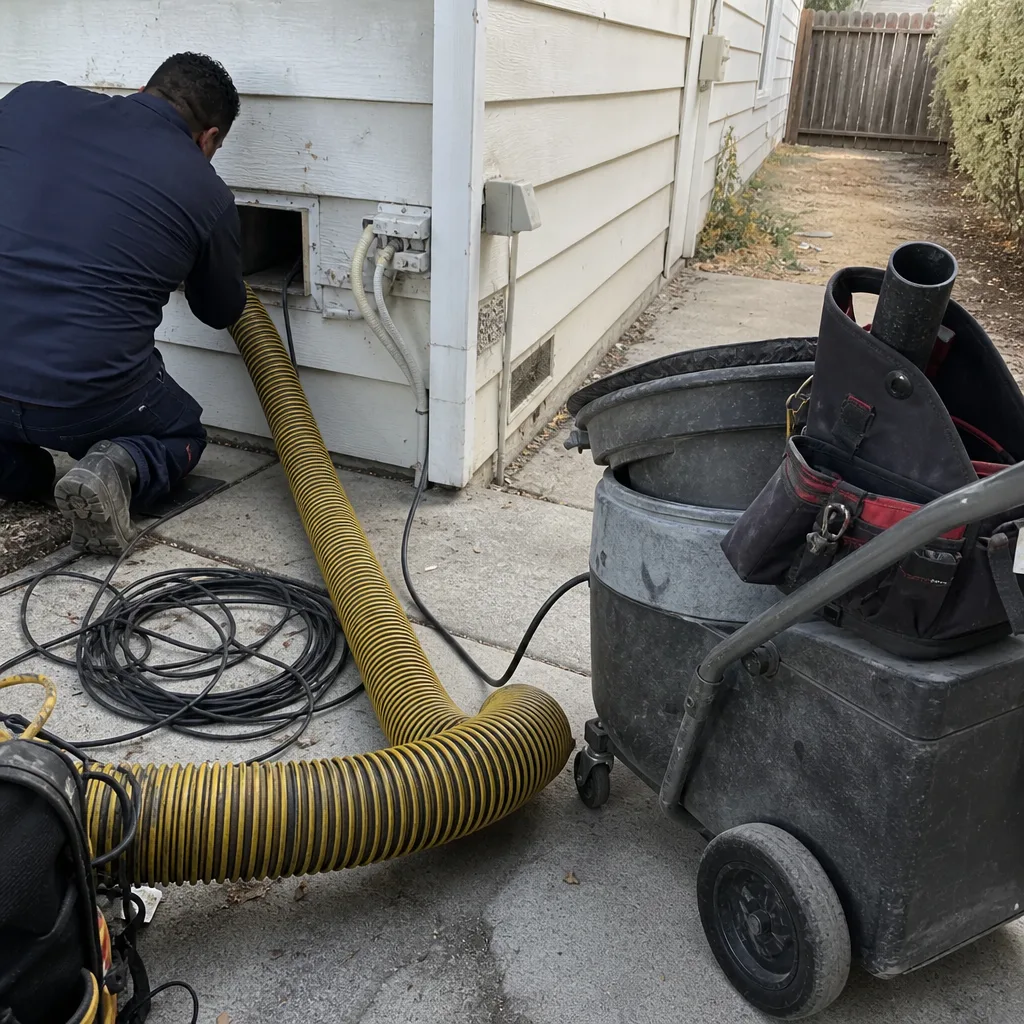 Before
 After
 Before
 After
 Before
 After
When to Call a Professional
Call when the seasonal signs point to work that’s beyond a filter change. Musty airflow at heating startup, visible debris behind the return grille, allergy symptoms that flare seasonally, a system that’s working harder than it did last year, or a home you’ve just purchased where the duct history is unknown all justify a professional look. Call also if you’ve noticed a section of your ductwork that’s visibly disconnected, crushed, or leaking, since a compromised run re-contaminates whatever gets cleaned unless it’s repaired in the same visit. Duct Cleaning Tracy offers free estimates in Tracy: call (866) 429-7345. We answer 24/7, and fast dispatch runs from 7am to 7pm, Sunday through Friday.
Frequently Asked Questions
Once a year is a reasonable baseline for most Tracy homes, timed to either late winter or late spring. Homes with pets, allergy sufferers, recent remodeling, or a recently purchased older home may warrant a second look mid-year. The seasonal loading here is heavy enough across all four seasons that an annual whole-system cleaning is a minimum, not a maximum.
Musty airflow at heating startup usually points to moisture-related debris or growth somewhere in the return path, or to a compromised duct section pulling fog-laden winter air into the system. It isn’t a normal seasonal smell. It’s worth a professional look, because the fix depends on what’s actually inside the ductwork. Call (866) 429-7345 for a free estimate.
Late winter and late spring generally beat fall. Cleaning before spring field preparation prevents the season’s fine particulate from loading a dirty system, and cleaning again before peak cooling keeps debris from compacting during high-runtime summer weeks. Fall cleaning catches harvest debris but leaves the spring and summer loading unaddressed. Call (866) 429-7345 for an exact quote.
A higher-MERV filter installed before field preparation and bloom season captures more fine particulate than a basic filter installed later. The key point is timing: before the spike, not after. Check that your system’s blower can handle the higher rating, since too high a MERV can restrict airflow. We stock Honeywell and Aprilaire products and can handle the upgrade at the time of cleaning.
Cheaper quotes often mean consumer-grade vacuums, per-vent pricing that doesn’t cover a whole system, or a clean-only scope that walks away from any repair found. We use commercial-grade Rotobrush and Nikro equipment, price one flat price per system agreed before work starts, and handle cleaning, repair, and filter upgrades in a single visit. Call (866) 429-7345 for an exact quote; estimates are free.
Ask for before-and-after photos of your own ducts, not stock images. See what’s inside your ducts before we start, and see what was removed when we finish. If the answer is vague, that’s your signal to ask more questions. Call (866) 429-7345 to book a free estimate.
The Bottom Line
Tracy’s duct systems don’t load the way national guides assume. The real stress periods are tule fog winter, spring field preparation and bloom, prolonged dry summer heat, and fall harvest and burn events. Each one pushes a different kind of particulate into the system, and each one has a natural window where cleaning, filter upgrades, and repair make the most sense. Build a maintenance log anchored to those local events rather than arbitrary dates. Schedule cleaning for late winter or late spring, upgrade filters before the spring spike, inspect the return grille in fall, and handle dryer vent cleaning alongside duct work. Our technicians have up to 8 years of experience, and we use commercial-grade Rotobrush and Nikro equipment, plus Honeywell and Aprilaire air-quality products and Abatement Technologies filtration capability when the situation calls for it. Call (866) 429-7345 for a free estimate. We answer 24/7, and fast dispatch runs from 7am to 7pm, Sunday through Friday.
Written by the team at Duct Cleaning Tracy.