
Last updated November 15, 2026
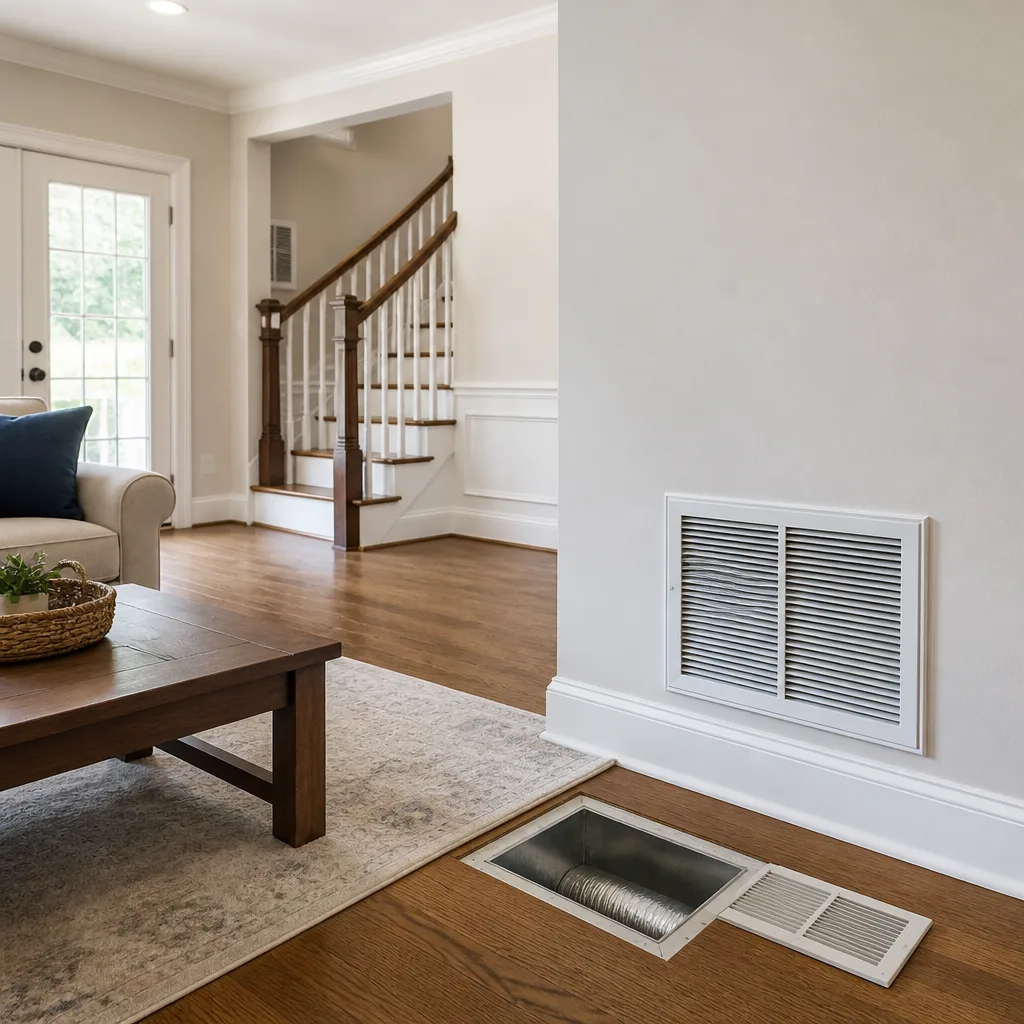 Whole-home duct cleaning
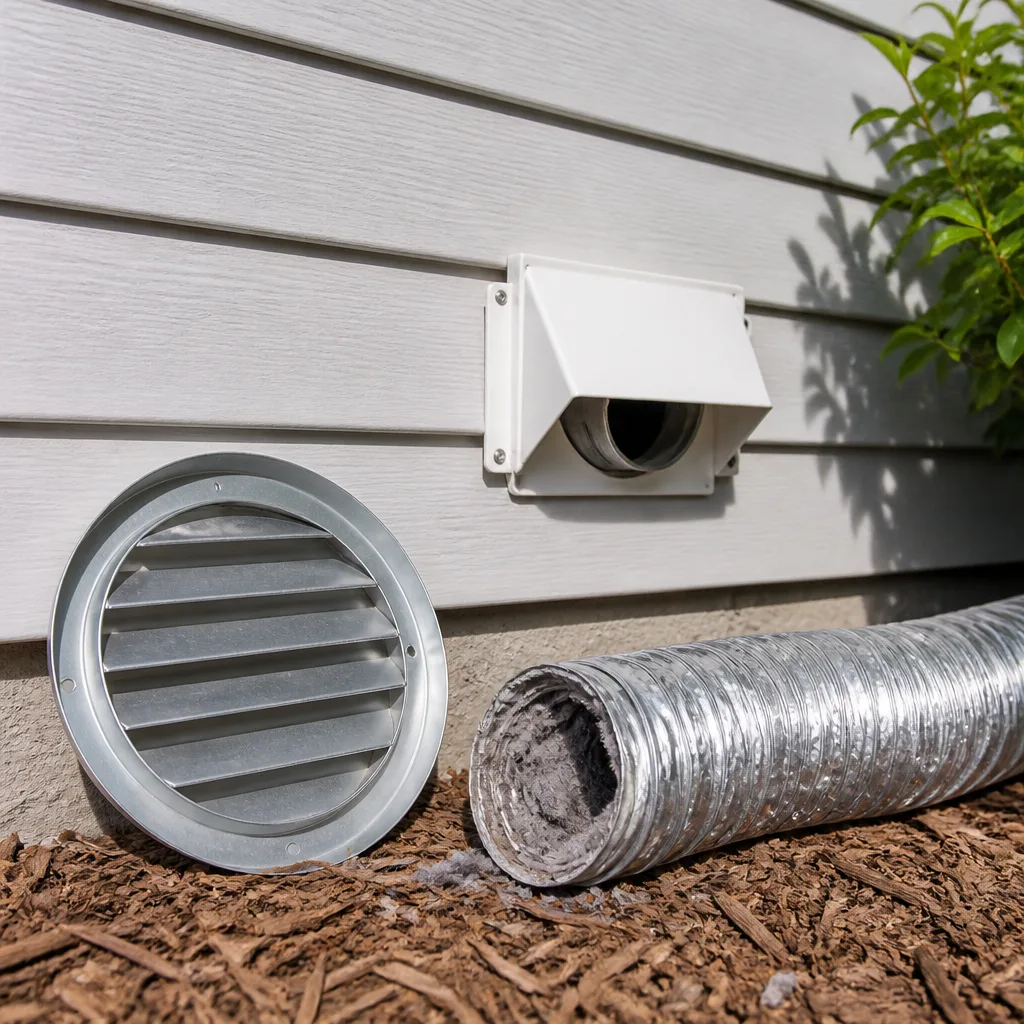 Dryer vent cleaning
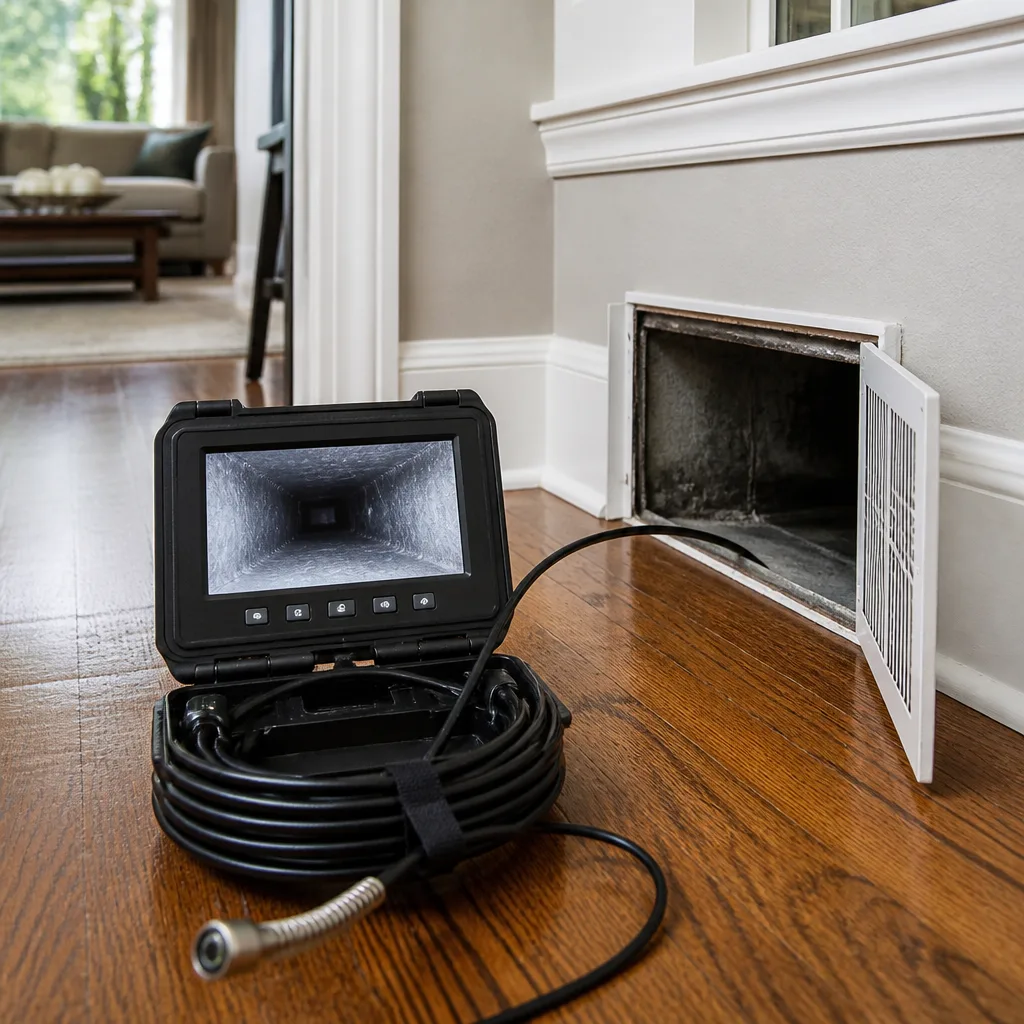 Camera inspection
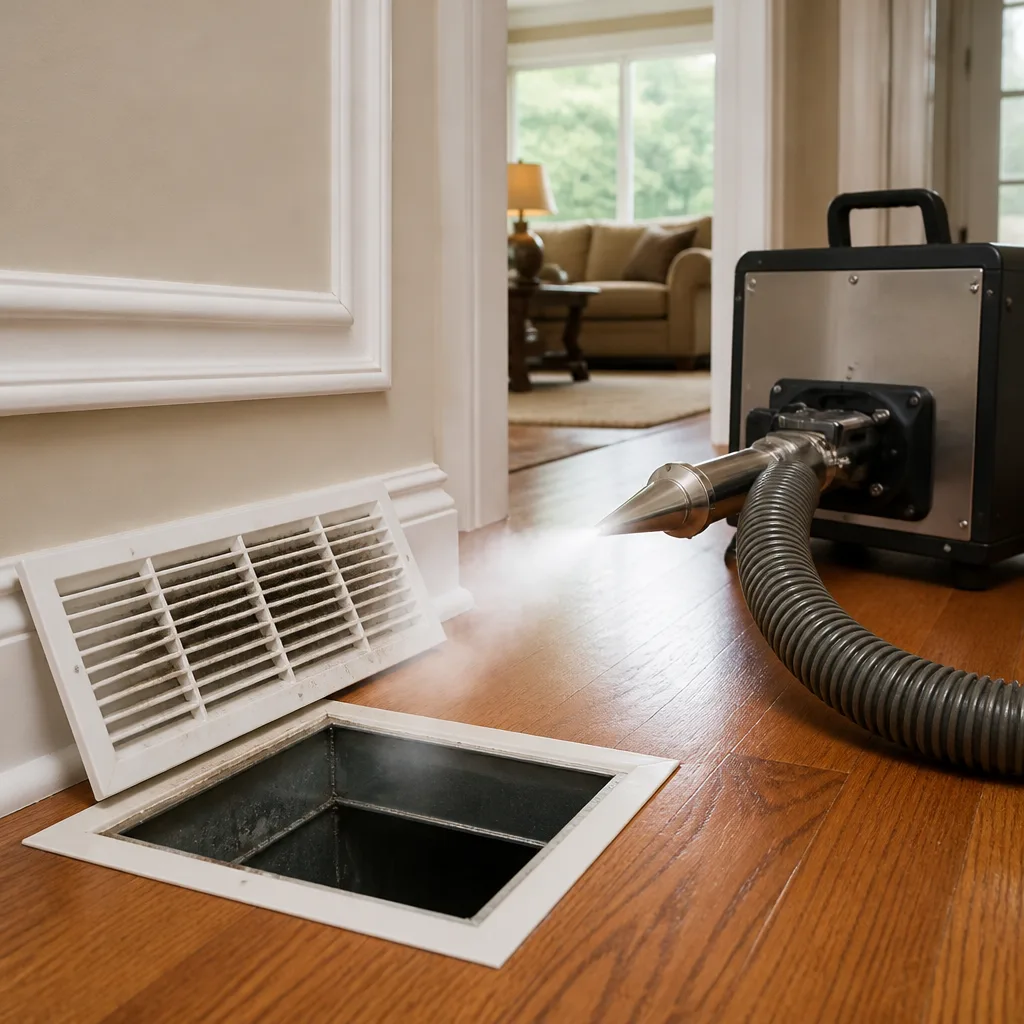 Sanitizing & deodorizing
Whole-system duct and dryer vent check with before-and-after photos - you see exactly what came out of your vents
That "$99 whole-house special" is a bait ad - the real number appears once they are in your hallway, or the "clean" is a shop-vac at the register. We photograph the inside of your ducts before and after instead.
Air Duct Cleaning Warning Signs: A Tracy Homeowner’s Reference Guide
Dust on your registers is a lagging indicator. By the time you can see it, the system has been accumulating for months. The earlier signals – airflow changes, odor timing, filter loading rates – are readable if you know what to look for. In Tracy, where new construction sits next to homes that have run the same ductwork through many summers of hot, dry Central Valley air, those early signals matter more than most homeowners realize. This guide walks through the signs that show up before the visible ones, explains what each pattern actually means, and shows you how to read your own system like a technician would. What you learn here should let you judge your ducts on evidence rather than guesswork.
Quick Answer
The earliest warning signs of a dirty or compromised duct system are rarely visible dust. They’re one room that heats or cools noticeably slower than its neighbors, odors that appear only in the first minute after the system starts, a filter that loads up in two or three weeks instead of two or three months, and dust patterns that deposit unevenly rather than evenly. If you notice any two of these together, the ductwork itself is the likely source, not the furnace or air conditioner. A professional evaluation confirms it, and cleaning with commercial-grade equipment is usually the fix.
Styles & brands we work with
- Whole-home duct cleaning
- Dryer vent cleaning
- Camera inspection
- Sanitizing & deodorizing
Table of Contents
- Airflow Asymmetry: Why One Room Is Always Behind
- Odor Diagnostics by Timing
- Filter Loading Rate: The Fastest Early Signal
- Visible Biological Growth vs. Normal Dust
- Post-Renovation Dust in an Active Building Town
- Register and Grille Patterns That Tell You Something
- What an Older Tracy Home’s Duct Layout Hides
- How to Verify a Job Was Actually Done
Airflow Asymmetry: Why One Room Is Always Behind
If your master bedroom takes twenty minutes longer to reach temperature than the hallway outside it, the problem is almost never the HVAC unit. It’s the duct section serving that room. Airflow asymmetry is the single most reliable early indicator of a compromised branch line, and it shows up long before dust reaches the registers. The unit is doing its job. The duct isn’t delivering what the unit produces.
Head loss is the technical term. Every foot of duct, every turn, every flex section, and every accumulation of debris along the interior wall adds resistance. A branch that was balanced when the house was built gradually falls out of balance as the lining thickens with dust and lint. The room closest to the plenum may still feel fine while the room at the far end of the run barely gets air. When the imbalance is severe enough, you’ll notice it in summer cooling more than in heating because the temperature gap is more obvious.
In Tracy, the demand on system airflow peaks through July and August, when outdoor temperatures push into triple digits for stretches. A branch that’s 15% restricted in spring may have been tolerable in cooler months and suddenly becomes a hot room that never satisfies its thermostat. Homeowners often call about the air conditioner first. The real issue is downstream of the unit.
What to check, without doing anything invasive:
- Hold a piece of tissue up to each supply register in the house, one at a time, with the system running. Note how strongly it’s pulled toward the grille and whether it holds steady or flutters.
- Record which rooms feel the tissue pull weakest. Weak supply air at a register usually means a restriction somewhere between that register and the main trunk.
- Check the temperature differential between the strongest room and the weakest room after thirty minutes of runtime. A gap of more than three or four degrees points to delivery, not equipment.
- Look for crushed flex duct in the attic, kinked lines where they pass through framing, or disconnected joints at the plenum. Visible damage explains a lot of airflow loss.
If you run through that checklist and the weak room is consistent, a duct repair evaluation is worth the call. Sealing and repairing compromised sections is a standalone service, and it’s often the fix that resolves a hot room that no amount of AC service has touched. For the full picture of what routine cleaning involves, see our air duct cleaning page.
Odor Diagnostics by Timing
The timing of a smell tells you more than the smell itself. An odor that appears in the first thirty to sixty seconds after the system kicks on is different from an odor that’s present the whole time the system runs. One points to exterior contamination in the supply side. The other points to something that’s persisting in the system and re-entering the living space continuously.
A startup-only smell usually comes from dust burning off the heat exchanger at the start of a cycle, or from debris resting at the mouth of a return. It clears within a minute as the airflow flushes the loose material through. That’s a nuisance, not a hazard, but it’s a strong signal that the return side and the supply plenum carry material that shouldn’t be there. Once that material is mechanically removed, the startup smell usually goes with it.
A persistent smell – stale, musty, or vaguely sour, present the whole time the air handler runs – points to the duct lining itself. Moisture, dust, and organic matter have combined into a film on the interior of the duct wall. That film doesn’t’ t flush out. It stays, gets stirred by airflow, and delivers a low but constant concentration of odor back into the rooms. This pattern warrants professional evaluation, particularly in homes with pets or family members who react to musty air.
Odor patterns by source:
- Startup-only, faint: loose dust on the heat exchanger or return plenum. Cleaning resolves it.
- Startup-only, sharp: check for a failing capacitor or component before assuming ductwork. Electrical smells need a technician evaluation immediately.
- Persistent musty, low intensity: duct lining contamination. Cleaning plus a filtration upgrade addresses the source.
- Persistent, worse in certain rooms: a specific branch is contaminated or has biological growth. Isolate that branch for evaluation.
- Seasonal, only in summer or only in winter: moisture or condensation pattern on a duct section. Worth a technician look.
Abatement Technologies air filtration equipment is used on contaminated systems where a standard cleaning pass won’t capture the elevated particulate load. Our technicians have up to 8 years of experience reading these patterns and setting the right equipment for the job.
Filter Loading Rate: The Fastest Early Signal
A MERV-8 filter that maxes out in under three weeks is telling you something specific. The filter catches what reaches it. If it’s reaching capacity that fast, the volume of particulate flowing through the system is roughly three to four times what a clean residential system would present. The source is upstream. That’s the ductwork.
Normal filter loading for a typical Tracy home is roughly every two to three months on a MERV-8. That’s not a firm number because household variables matter – pets, cooking habits, recent renovation, and whether you run the fan continuously or only during conditioning cycles. But a pattern is readable. If you find yourself changing the filter every few weeks and you haven’t had recent construction in the house, the filter isn’t the problem. It’s working overtime because the duct interior is shedding accumulated debris into the airstream.
Three things drive that rate upward:
- Return-side accumulation. The return ductwork pulls from every room, and it’s the first surface to coat with dust and lint. Once a coating forms, the airflow picks up particles off that coating instead of leaving them in place.
- Loss of filter seal. Air bypassing a poorly seated filter delivers unfiltered air downstream and can look like accelerated filter loading when the cartridge itself is clean. Check that the filter frame seals fully at the edges.
- MERV rating mismatch. A homeowner who switches from MERV-8 to MERV-13 to catch more particulate creates more backpressure, not cleaner ducts, if the duct interior is loaded. The system is being asked to do more work against the same problem.
Honeywell and Aprilaire filtration and air-purifier products are the category we stock and service at the time of cleaning, so the upgrade and the duct work happen on the same visit. That keeps you from paying twice for the same diagnosis. See what our Duct Cleaning Tracy team does before we start each job – we take before-and-after photos of your ducts, not just the before.
Visible Biological Growth vs. Normal Dust
Normal dust accumulation is grey to brown, powdery, and even along the duct interior or the register face. Biological growth is different in color, texture, and pattern, and it warrants a technician evaluation rather than a wipe-down. Three visual markers separate the two.
Color. Normal dust shades from light grey to warm brown. Growth indicators include green, black, or dark mottled patches, or a white powdery bloom that has a distinct circular or patchy edge rather than an even film.
Texture. Dust wipes off cleanly and leaves the duct surface intact. Growth forms a film that stains the surface, holds its shape when you touch it, and returns in the same spot within days of a wipe. If dust “resets” quickly after you clean a register, that’s the tell.
Location. Growth clusters at moisture points – the cooled supply run in summer, the plenum downstream of the evaporator coil, or the section of return duct that passes through a humid attic. Dust tends to deposit evenly from the register outward. Growth concentrates where condensation can form.
If you see any of those markers, a technician evaluation is the right next step. Ductwork that shows biological growth usually requires remediation equipment beyond a standard cleaning pass – that’s what Abatement Technologies air filtration capability is for in our toolkit. The important thing is to have a technician confirm whether the pattern is growth or typical dust before assuming. Our team works through that evaluation as part of the same visit as the cleaning, and treats mild staining differently from active surface growth.
Even a small amount of growth in supply ductwork matters because that air is delivered directly to living spaces. In Tracy homes with family members who react to mold or elevated indoor particulate, the difference between “dusty” and “contaminated” is exactly what the visual markers above reveal.
Post-Renovation Dust in an Active Building Town
Tracy has been adding neighborhoods at a pace that’s visible from any street corner, but the renovation signal is on the inside of existing homes. Any remodeling project that cuts drywall, sanding plaster, or refinishing floors generates a specific type of dust that behaves differently from normal household dust. It’s finer, it’s heavier in particulate load per cubic foot, and it settles deeper into ductwork than ordinary lint.
Drywall dust, gypsum dust, and sanding particulate all share the trait of being chemically inert and easy to see in the short run, and persistent in the long run. You’ll sweep and vacuum the living areas and the fine dust will return for days. The source is the airstream. The return ductwork acted as a vacuum during the project, and the dust that entered it is now circulating on every fan cycle.
Standard cleaning protocols may not be sufficient after this kind of project for two reasons:
- Gypsum dust resists standard vacuum capture once it has settled into a coating on duct walls. It needs mechanical agitation from a contact-brush system, not just a high-volume pull.
- Negative-pressure capture is more important, not less, after renovation because the dust cloud is fine enough to re-suspend the moment agitation begins. Nikro negative-pressure equipment is set up before any cleaning pass for exactly this reason.
Our Rotobrush contact-brush system is the same equipment used for commercial restoration, which matters more on post-renovation jobs than routine maintenance. The brushing arm scours the duct wall and lifts coating that a vacuum alone would leave behind. If you’ve recently finished remodel work in a Tracy home and you’re seeing dust return for weeks, the ductwork is the reason. A cleaning visit addresses it, and a filtration upgrade as part of the same appointment keeps the system from re-loading.
Register and Grille Patterns That Tell You Something
Register dust matters, but not the way most homeowners think. The presence of dust on a register face is late. The pattern of dust on the register face is earlier. Three patterns are worth learning to read.
Even grey film across all registers: routine accumulation. Not urgent, but a signal the system hasn’t been cleaned in a while. Worth a professional look if it’s been many seasons.
Heavy deposit on only some registers: uneven delivery. The registers picking up the most visible dust are often the ones with the strongest airflow pulling particulate out of the airstream at that point. Heavy dust at a single room’s register can mean that branch is closest to the return and receiving more delivered volume.
Dark streaks radiating from grille louvers: the classic “filter bypass” pattern. Air is leaking around a poorly sealed grille or through louver gaps, and the streaks are the concentration of dust where the leak is. Fixing the seal is simple; figuring out why the dust was there in the first place is the duct cleaning question.
The same logic applies to ceiling diffusers. Dust on the top of a ceiling diffuser isn’t usually duct debris. It’s return-air dust that settled on a horizontal surface. Dust inside the diffuser throat, visible if you pull the grille down, is the duct interior talking. That’s the one to note.
Nothing on this list replaces actually looking inside the duct. The right move is to have a technician show you. The company we run into if you call our number does that as the first step on every job.
What an Older Tracy Home’s Duct Layout Hides
A lot of Tracy homes were built in the decades when duct layout was simpler and duct materials were more varied. Rigid metal trunk lines with flex branches, foil-faced flex in attic runs, and short runs to registers close to the plenum are all common. Older homes also share a pattern that newer construction doesn’t: flex branches that were sized for an original unit and never re-sized when a replacement system was installed. Undersized branches run at higher velocity, which scrubs the duct wall more aggressively and dumps more particulate into the filter and the registers.
The same pattern shows up in the duct trunk itself. A trunk that was sized for an original 2-ton unit and is now feeding a 3-ton unit is being asked to move more air than its geometry was built for. Velocity goes up, turbulence increases, and the walls of the duct shed accumulated material faster. That’s one reason filter loading rate can accelerate over time even in a home with no renovation activity.
Two other age-related signals:
- Disconnected flex sections at the plenum. Flexible duct that was hastily fitted decades ago has often come loose. The gap bleeds conditioned air into the attic or crawlspace, which drives runtimes up and looks like a failing unit.
- Moisture staining where the duct passes through unconditioned space. Not a hazard in itself, but a reason to have the section looked at. Moisture at the duct wall supports biological growth, which is why we treat it as a “stop and evaluate” sign rather than a routine dust signal.
An air duct repair inspection covers those two. Repair is a standalone service rather than a process we only offer as part of a cleaning. Our technicians have up to 8 years of experience identifying and sealing compromised sections that clean-only competitors won’t touch, and a repair inspection is often how a duct system gets caught before a branch fails outright. If you’re in an older home and any of these markers are familiar, our Tracy team sees the full range.
How to Verify a Job Was Actually Done
The single most useful warning sign, ironically, is a cleaning job that didn’t leave any evidence. Before-and-after photos of your own ducts, taken from inside the system, are the proof that mechanical work happened. If a contractor can’t show you what was inside the duct before the cleaning pass, you’re being asked to trust their work without seeing it.
The industry’s low-bid problem is real, and it shows up in two ways. One: the price quoted was teaser pricing, and the invoice arrives larger once the technician is on site. Two: the cleaning “pass” was a high-volume vacuum pulled through the return, with no mechanical agitation of the duct wall. That second one looks like cleaning on an invoice and leaves the coating in place.
A job done right follows this sequence:
- Inspection first. The technician opens access points, uses a camera or direct view to document the interior, and shows you the footage or photos before starting.
- Negative pressure set up. Nikro or equivalent capture equipment runs before any agitation so dislodged contaminants are extracted, not re-circulated into your living space.
- Mechanical agitation. The Rotobrush contact-brush system scours the duct wall. A vacuum alone is only half the job.
- Trunk and branch coverage, not per-vent. The pricing is per system, agreed in writing before work starts. No per-vent billing.
- Photographs inside the ducts after cleaning. Not a generic marketing photo. Your ducts, before and after.
We work to one flat price per system agreed before work starts, and we deliver before-and-after photos as a matter of course. That’s the standard worth holding any contractor to in Tracy. If a quote is dramatically lower than the others you have, ask specifically whether negative pressure and mechanical brushing are included. The honest answer usually explains the difference.
Common Mistakes to Avoid
- Replacing the HVAC unit when the ductwork is the problem. A failing room or high filter load leads some homeowners to a unit replacement that never addresses the branch restriction. The new unit is fine; the delivery is what was broken. Duct repair is usually the smaller, correct fix.
- Treating a MERV-8 filter change as routine when the rate has spiked. A filter that maxes out in three weeks is telling you something about the duct interior, not the filter. Chasing the filter repeatedly costs more than an evaluation would.
- Assuming a startup smell is just the system warming up. Startup odors are usually duct or plenum debris, and persistent odors point to lining contamination. Neither pattern resolves on its own.
- Wiping growth off a register and calling it done. If the deposit returns in the same place within days, that’s a lining problem, not a surface dust problem. A wipe hides it without treating it.
- Cleaning after a remodel with a standard vacuum pass. Drywall dust settles and coats in a way that needs mechanical brushing to lift. A blowout won’t touch it, and it re-suspends into the airstream.
- Choosing a quote on price alone when the process isn’t specified. Ask what equipment is used, whether the job is priced per system or per vent, and whether before-and-after photos are provided. In Tracy, the difference between two quotes is usually the process, not the market.
- Forgetting about the dryer vent while paying attention to the ducts. A dryer vent is a separate duct run and a genuine fire-safety component. dryer vent cleaning belongs on the same care schedule, and we handle it as a standalone service.
See the difference
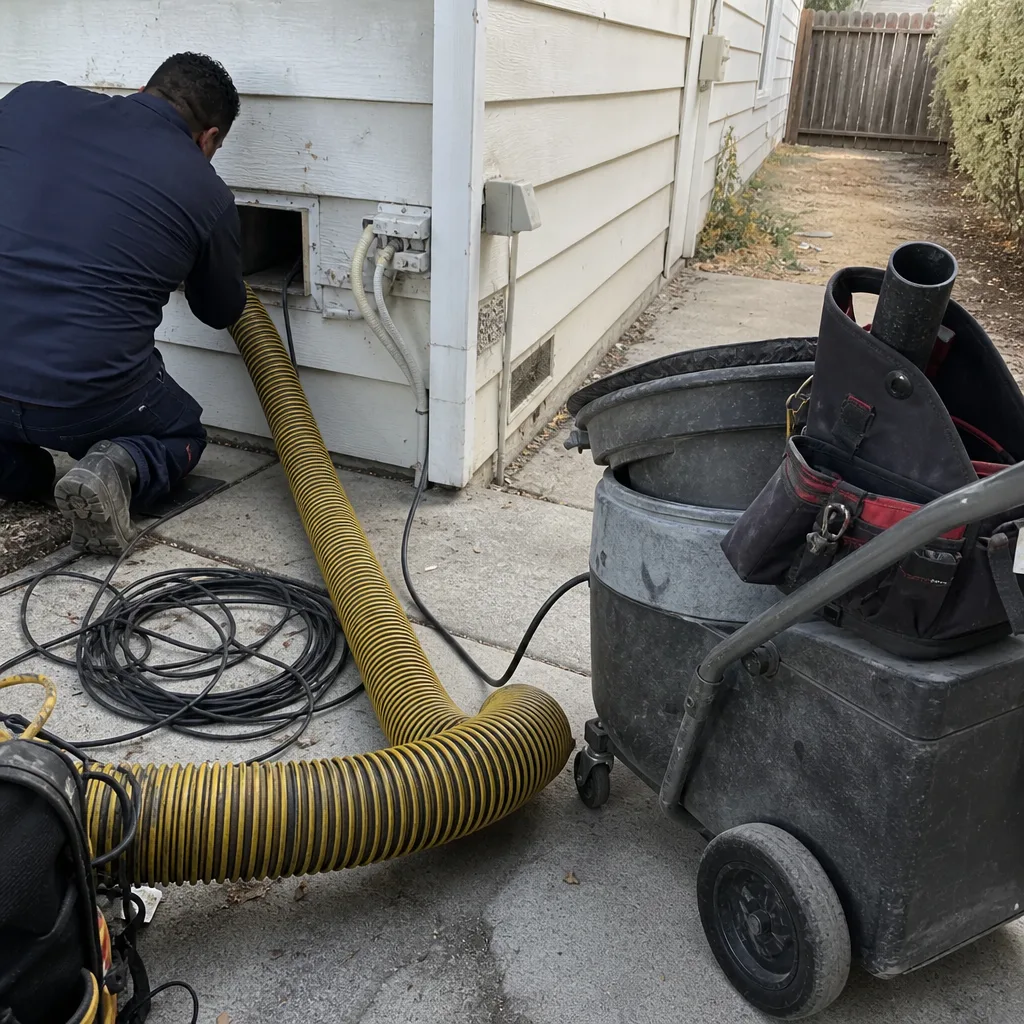 Before
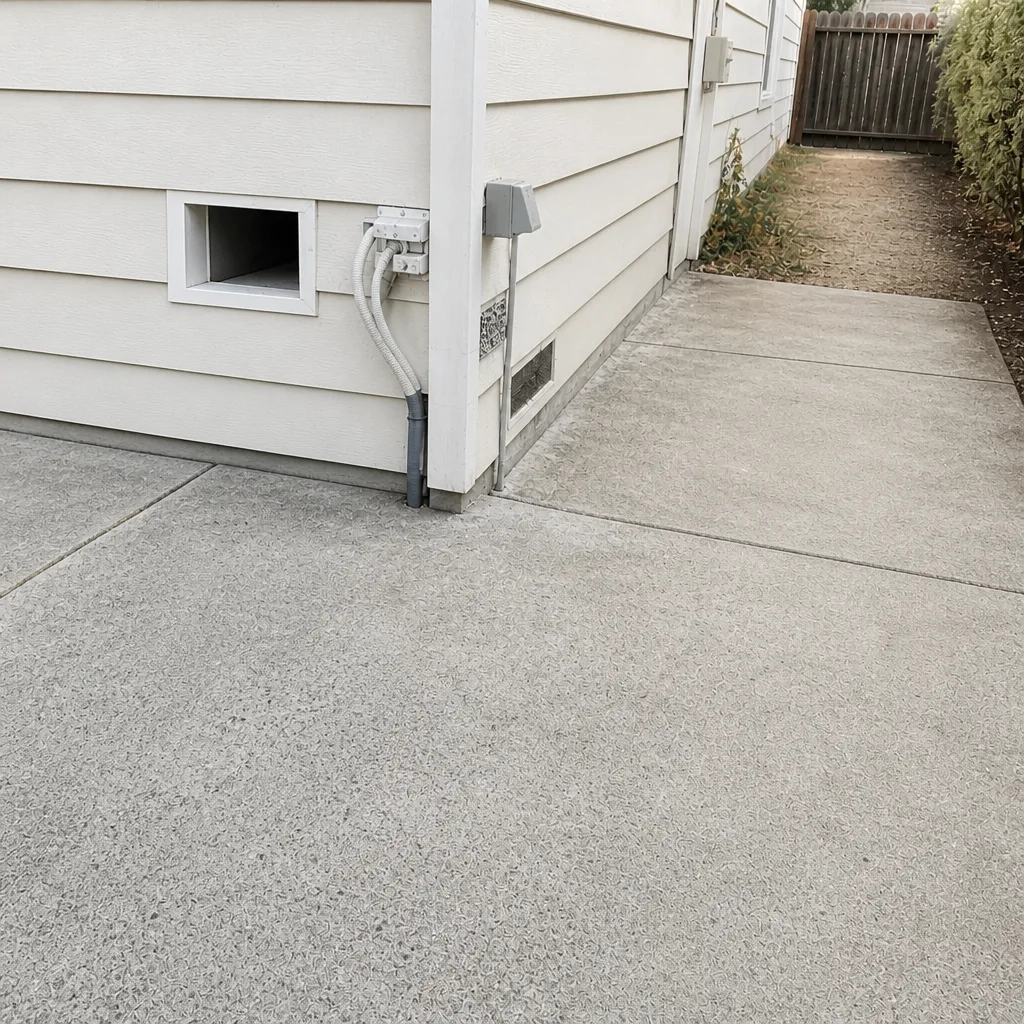 After
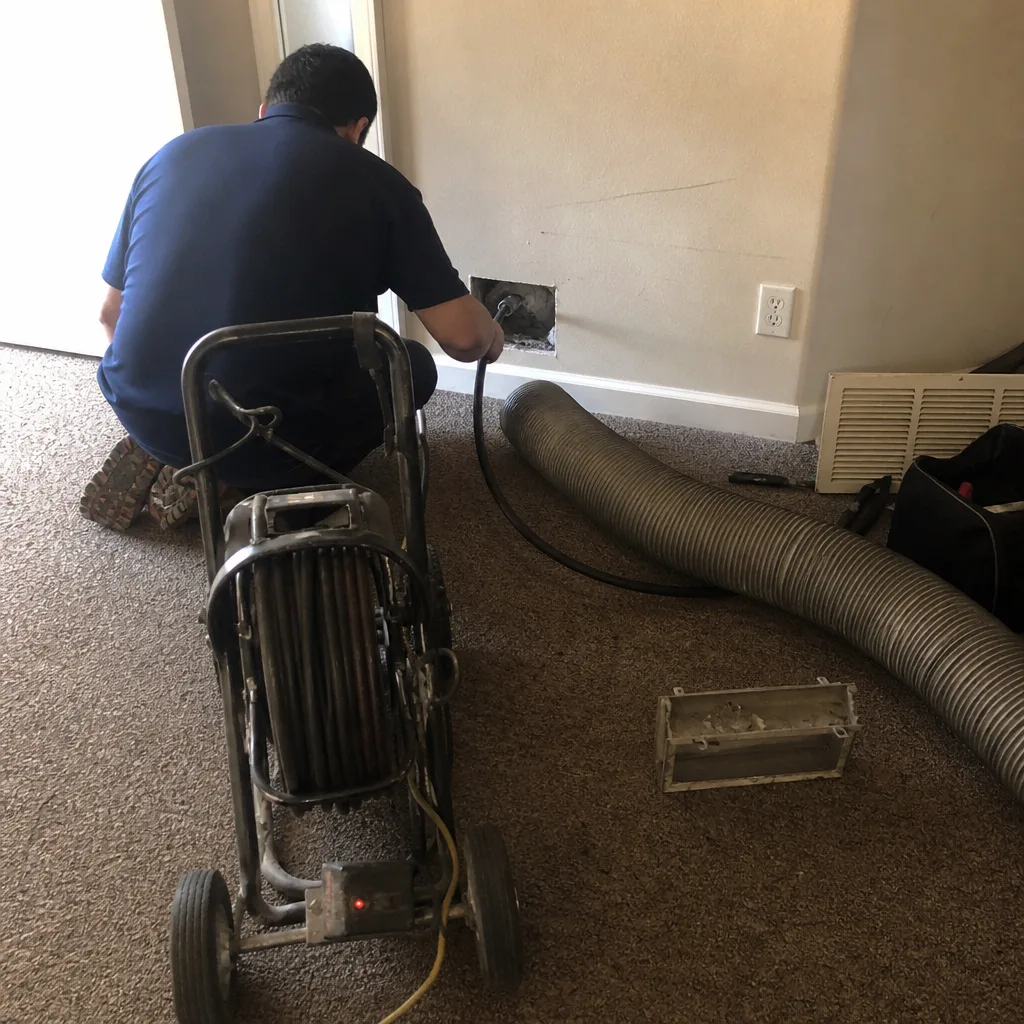 Before
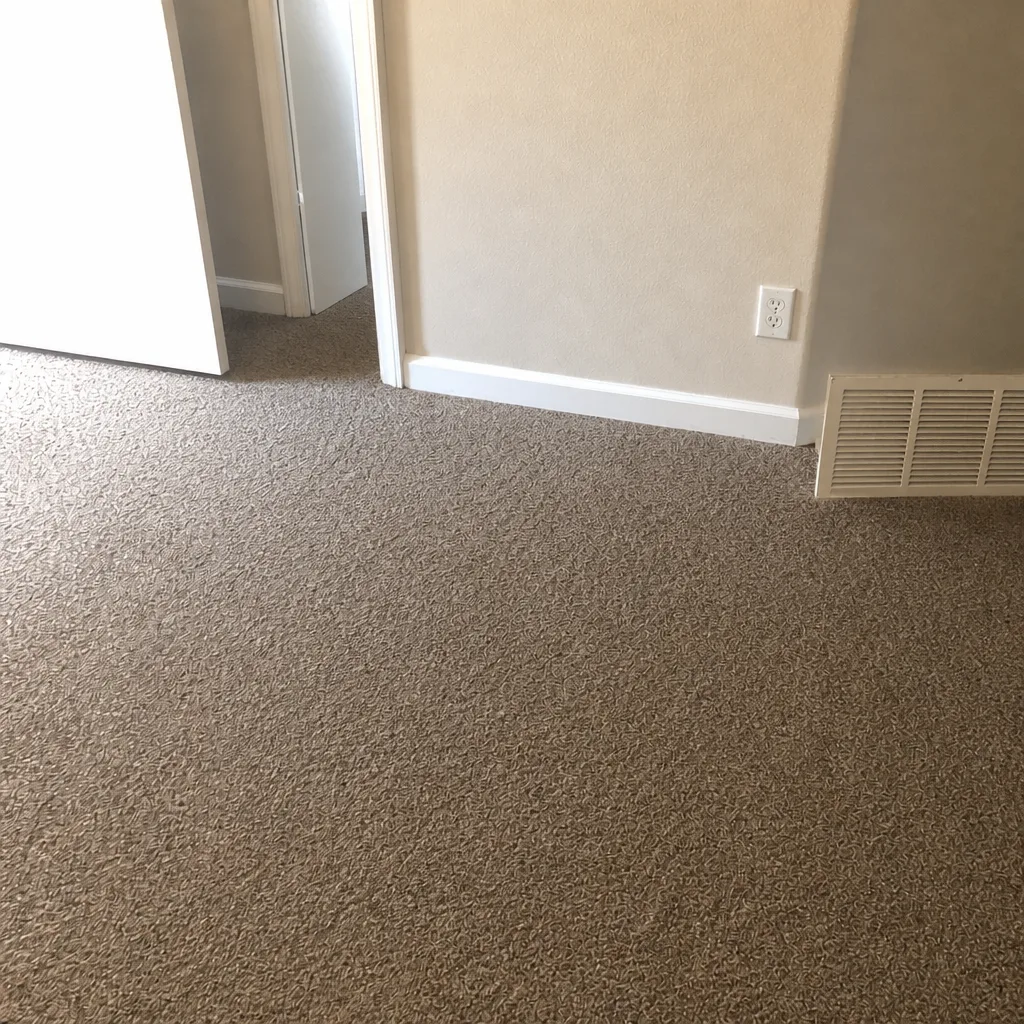 After
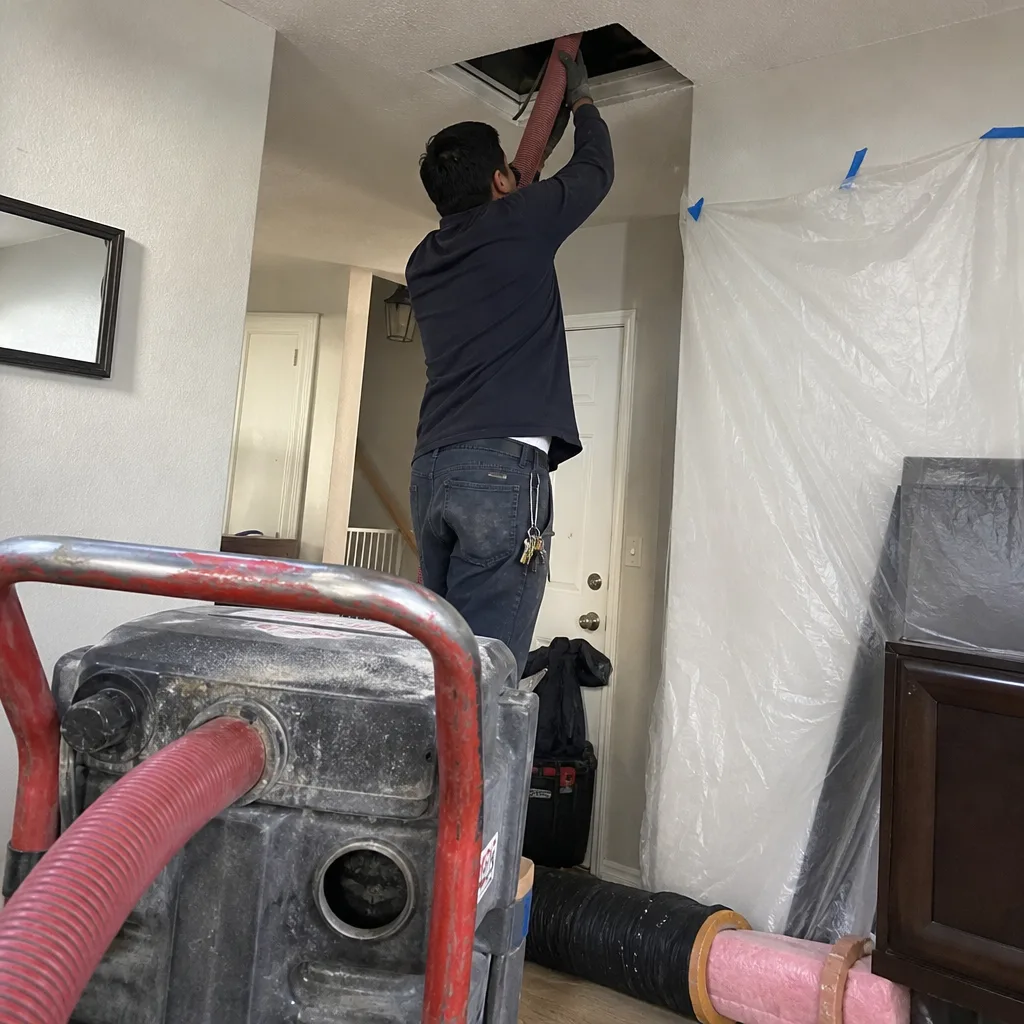 Before
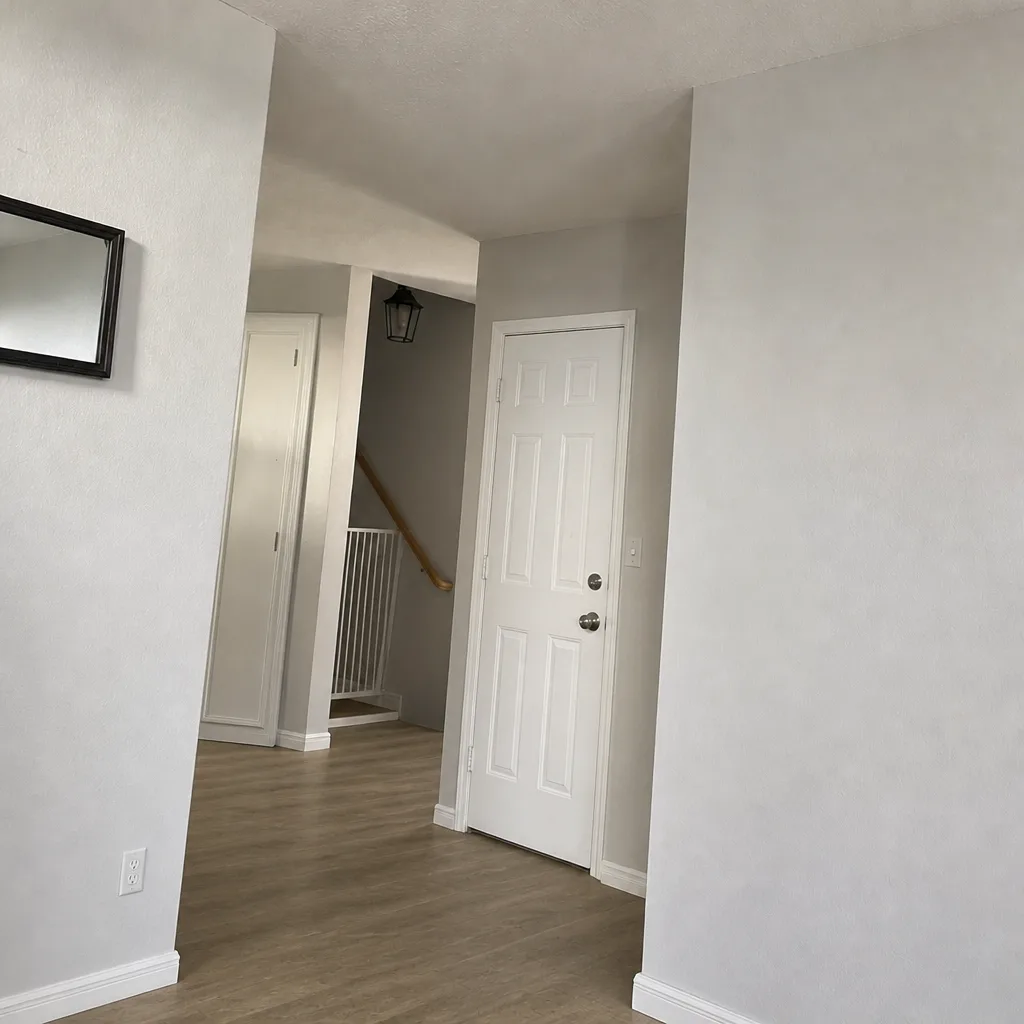 After
When to Call a Professional
Call a professional when two or more of the earlier signs are present together: a room that consistently lags in airflow, a filter loading faster than two months, a startup or persistent odor, uneven register dust patterns, or a recent renovation that filled the return system. Call immediately when you see any growth indicators – color, texture, or location – or when the ductwork shows moisture staining in a section passing through attic or crawlspace. Crushed flex, disconnected plenum fittings, and visible gaps in the duct wall all warrant a repair inspection rather than a cleaning alone.
Duct Cleaning Tracy offers free estimates in Tracy – call (866) 429-7345. We answer 24/7, fast dispatch runs from 7am to 7pm Sunday through Friday, and one appointment can cover cleaning, dryer vent work, and duct repair together rather than piecemeal visits.
Frequently Asked Questions
Most Tracy homes sit in the three-to-six-year range between cleanings, driven by pets, family size, and recent renovation. Homes with allergy or asthma sufferers, multiple pets, or recent construction often land closer to the three-year end. There’s no fixed schedule that fits every house; what matters is the signs your system is showing. If the filter loading rate has sped up and a room is lagging in airflow, the schedule has moved up regardless of the calendar. Call (866) 429-7345 for an exact quote – estimates are free.
We set one flat price per system based on what’s actually in the ductwork, agreed in writing before any work starts. There’s no per-vent pricing and no teaser coupon that balloons into a larger invoice once the technician is on site. The estimate is free, the number you get is the product of an inspection, and it’s agreed before we begin. Call (866) 429-7345 for an exact quote – estimates are free.
Cheap quotes are usually a high-volume vacuum pass without mechanical brushing of the duct wall or negative pressure capture. That leaves the interior coating in place and re-circulates dust into the living space during the job. The right comparison isn’t the number on the quote; it’s whether negative pressure, a Rotobrush contact-brush system, and before-and-after photos are included. Ask specifically, and the difference in price usually explains itself. Call (866) 429-7345 for an exact quote – estimates are free.
Before-and-after photographs of your own ducts, taken from inside the system, are the evidence. A contractor who can’t show you the interior before and after is asking you to trust their work without verification. We deliver before-and-after photos as a standard part of every job. Call (866) 429-7345 for an exact quote – estimates are free.
Timing of the smell is the best clue. An odor that appears only in the first thirty to sixty seconds after the system starts usually points to loose debris at the return or plenum. A smell that persists the entire time the system runs points to duct-lining contamination. If it clusters in specific rooms, the branch serving those rooms is the likely source. We evaluate the pattern during a routine visit. Call (866) 429-7345 for an exact quote – estimates are free.
Remodel dust is a specific problem for ductwork because gypsum and sanding particulate settle into a coating that ordinary vacuuming won’t lift. Even when the visible dust is gone from the living areas, the return side can carry a load for months. A post-renovation cleaning with mechanical brushing and negative-pressure capture is the fix. If anyone in the home is reacting to elevated particulate, that timing matters. Call (866) 429-7345 for an exact quote – estimates are free.
The Bottom Line
The visible dust on your registers is the last sign, not the first. Airflow asymmetry in one room, a filter that loads in weeks, an odor with a specific timing pattern, and uneven register deposits all show up earlier and tell you more. Post-renovation dust in a building-heavy town like Tracy is its own category, and it behaves differently enough to need mechanical brushing rather than a standard vacuum pass. Growth indicators – color, texture, and location markers – move the conversation from “cleaning is overdue” to “let’s evaluate.” Verify what’s been done with photographs from inside your own ducts. And use the signs in this guide to judge the system on evidence. One flat price per system, commercial-grade equipment, and a repair capability that most clean-only shops don’t offer. That’s what we bring to the job.
Call (866) 429-7345. We answer 24/7. Fast dispatch from 7am to 7pm, Sunday through Friday.
Written by the team at Duct Cleaning Tracy.