
Last updated November 15, 2026
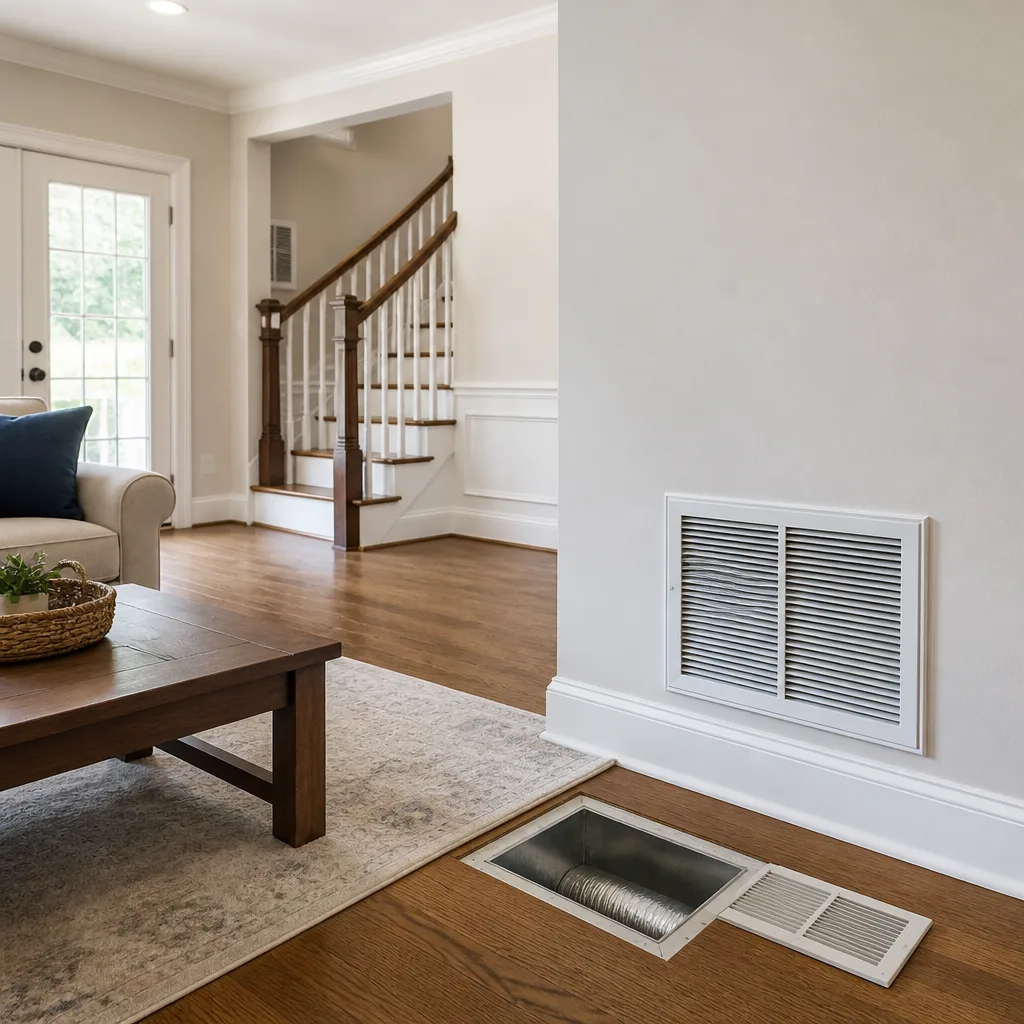 Whole-home duct cleaning
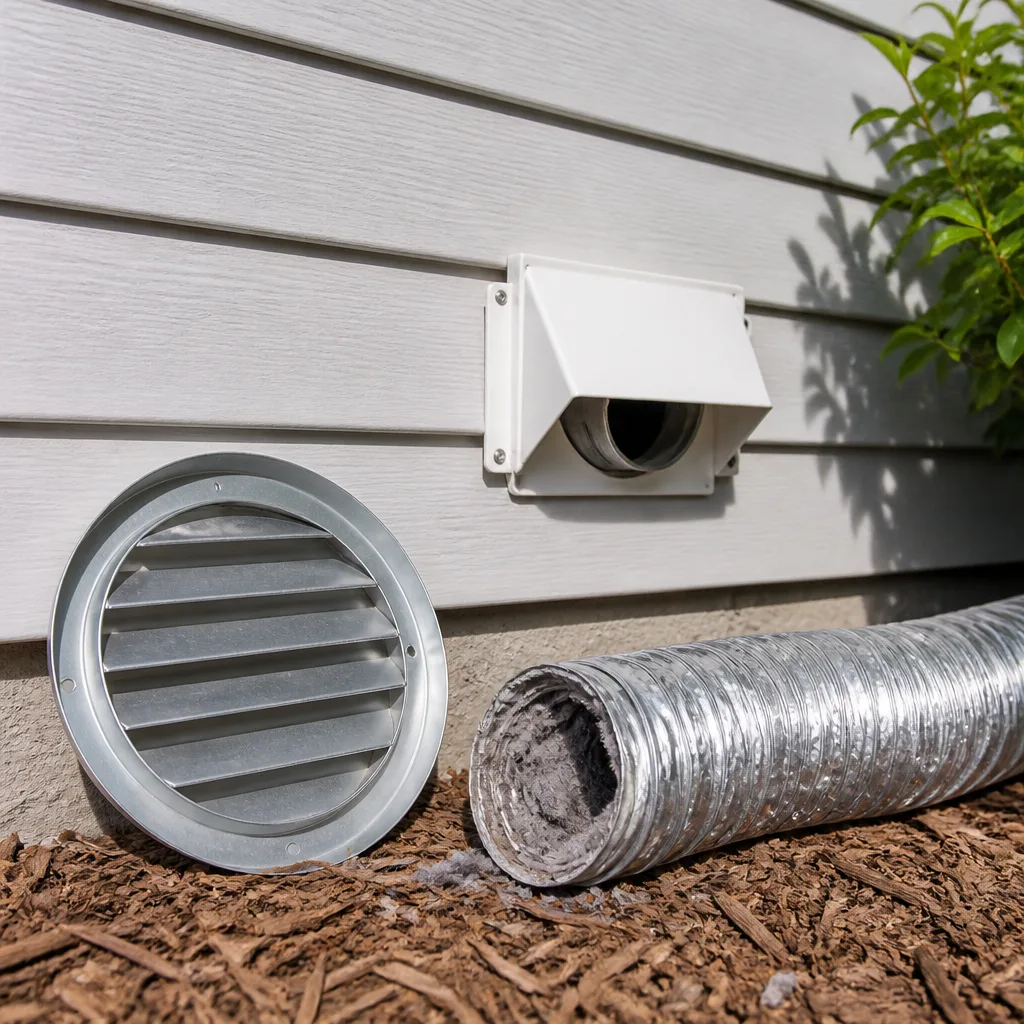 Dryer vent cleaning
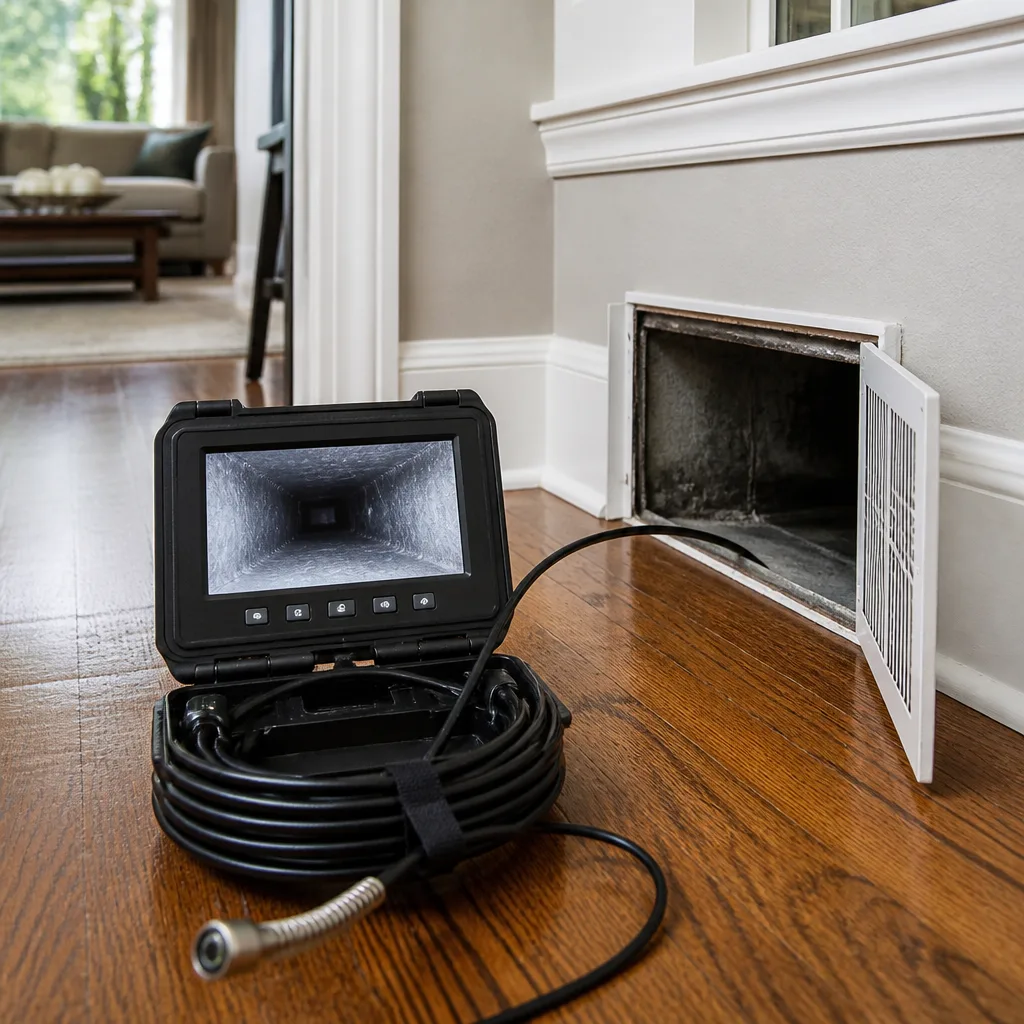 Camera inspection
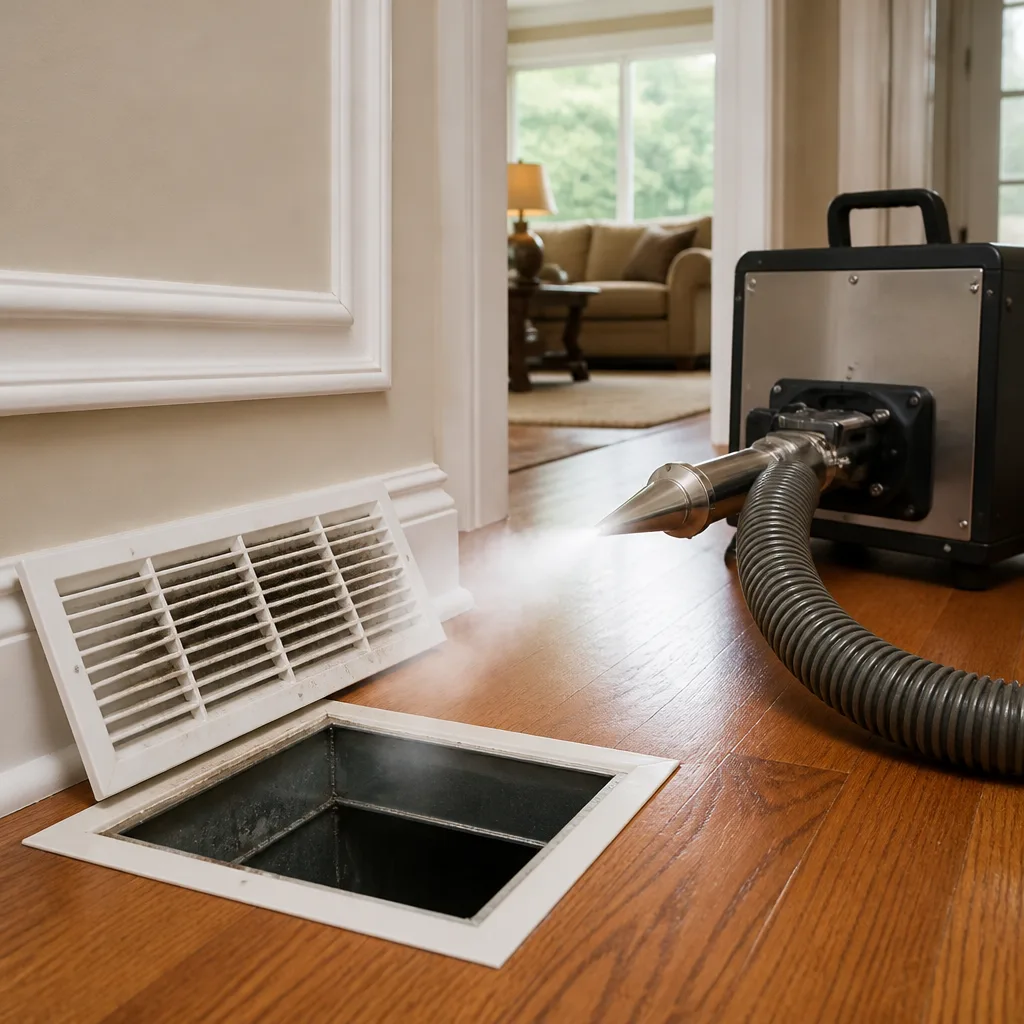 Sanitizing & deodorizing
Whole-system duct and dryer vent check with before-and-after photos - you see exactly what came out of your vents
That "$99 whole-house special" is a bait ad - the real number appears once they are in your hallway, or the "clean" is a shop-vac at the register. We photograph the inside of your ducts before and after instead.
Air Duct Cleaning Cost Breakdown: The Tracy Homeowner’s Reference for 2026
The $99 duct cleaning special and the $800 professional quote are not for the same service, but most homeowners have no framework to tell them apart. The gap isn’t markup. It’s what’s included and what’s left undone. A teaser quote often covers a single trunk line and a few accessible vents, then grows on-site once access cuts, sanitizer treatments, and return-system work get added. This guide deconstructs the real cost components of a Tracy duct cleaning job so you can compare quotes on equal terms, spot a bundled flat rate that hides missing line items, and know which add-on services meet an evidence standard before you pay for them.
Quick Answer
Air duct cleaning in Tracy typically runs $350 to $650 for a standard single-family home with one HVAC system and a moderate dust load, while heavier contamination, multiple systems, or hard-to-reach duct runs push the range toward $800 to $1,200. The quote should itemize main trunk cleaning, branch lines, return system cleaning, access point restoration, and debris disposal rather than quote a single lump sum. The written estimate always sets the final price.
Styles & brands we work with
- Whole-home duct cleaning
- Dryer vent cleaning
- Camera inspection
- Sanitizing & deodorizing
Table of Contents
- What Actually Drives Cost in a Tracy Duct Cleaning?
- What Should a Legitimate Quote Itemize?
- What Are the 2026 Price Ranges in Tracy?
- When Are Add-On Services Legitimate vs. Upsell?
- Why Are Some Quotes So Much Cheaper?
- What Does It Cost to Skip Cleaning or to Clean Poorly?
- How Do You Benchmark Quotes in the Tracy Market?
- What Happens on the Day of the Job?
What Actually Drives Cost in a Tracy Duct Cleaning?
Square footage is a proxy for cost, not the cost itself. Two 2,000-square-foot homes in Tracy can price differently by a few hundred dollars because what matters is how much ductwork has to be cleaned, how easy it is to reach, and how much contamination has built up inside it. When you call Duct Cleaning Tracy, the estimate is built around four variables, not a single square-foot number.
Duct count. A ranch-style home with one central return and a short trunk has far fewer branch runs than a two-story with two zones and long attic loops. Each supply register connects to a branch line that has to be brushed or air-whipped from an access point. More branches means more time and more access points to cut and seal.
System age and material. Sheet-metal trunk lines clean differently than flex duct runs. Older flex duct sometimes sags and traps debris in low spots, and heavily compressed flex requires more careful handling so the inner liner isn’t torn. Homes built in Tracy’s newer west-side subdivisions often have tight, short flex runs that clean quickly; older homes near downtown may have longer trunk sections and rigid metal ductwork with decades of settled dust.
Access difficulty. If the system doesn’t have enough access panels, the technician has to cut openings into the trunk or plenum at a sensible spot, clean, and then restore the panel so it seals. That restoration is real work and it should be a line item on the quote, not a surprise after the truck is parked.
Contamination level. A pet-free home with a regularly changed filter is a straightforward cleaning. A home with several pets, recent remodeling dust, visible debris falling from registers, or a musty smell on the return side needs more time, more negative pressure, and sometimes a follow-up treatment.
What Should a Legitimate Quote Itemize?
A legitimate duct cleaning quote breaks out each component of the job so you can see what you’re paying for and what you’re not. A single lump-sum number with no line items is a red flag, because the bundling makes it impossible to compare against another quote without asking a dozen follow-up questions.
- Main trunk cleaning. The large trunk line that carries conditioned air from the air handler. This is where the highest debris volume usually sits. Cleaning it requires negative pressure hooked into the plenum plus a contact brush or air whip run through the length of the trunk.
- Branch line cleaning. The smaller runs that feed each register. Each branch has to be mechanically agitated or air-whipped from an access point, with a vacuum pulling from the trunk end so loosened debris doesn’t settle back.
- Return system cleaning. The return ductwork that pulls air back from the living space to the air handler, plus any return plenums. Return-side contamination is common and gets skipped by low-bid cleanings that only touch the supply side.
- Access point cutting and restoration. Any new access panel needed to reach a trunk or branch, plus the sealing or capping of those openings afterward. Some quotes bury this; a good quote lists it so you know the panel will look finished when the technician leaves.
- Disposal. Removing the collected debris from the property. Not glamorous, but real. A quote that doesn’t mention disposal either hauls it away as part of the base price or leaves it behind, and you should know which.
- Final visual inspection. A walkthrough with a camera or direct line of sight into cleaned sections so you can see the work, before-and-after photos included.
If you want a more specific picture of the full cleaning scope, our air duct cleaning page walks through what a full-system cleaning covers end to end.
What Are the 2026 Price Ranges in Tracy?
For a standard 2,000-square-foot Tracy home with one HVAC system and moderate dust, expect roughly $350 to $650 for a full-system cleaning with negative pressure and contact-brush agitation. That’s the honest whole-system range, and it’s the number to hold other quotes against.
| Job Type | Typical 2026 Estimate | What’s Included |
|---|---|---|
| Standard single-system home, 1,500-2,200 sq ft, moderate dust | $350 – $650 | Main trunk, branch lines, return system, standard access points, disposal, final inspection |
| Larger home or two HVAC systems | $650 – $1,000 | Same scope on both systems, additional branch runs |
| Heavy contamination (pets, recent remodel, visible debris) | $800 – $1,200 | Extended clean time, extra negative pressure, additional access, possible follow-up treatment |
| Dryer vent cleaning | $120 – $250 | Full vent run clean, lint removal, airflow verification |
| Duct repair (sealing a compromised section) | Quoted per finding | Locate and seal disconnected or crushed sections, re-tape and mastic joints |
What falls outside normal on the low end: a $99 or $149 “special” almost never includes the return side, access restoration, or debris disposal. It’s often one trunk and a handful of registers with a shop vac, and the technician adds charges once on-site. On the high end: quotes above $1,300 for a single-system standard home usually reflect a legitimate reason (heavy contamination, extensive access cuts, or duct repair bundled in), and the quote should say so. If it doesn’t, ask.
When Are Add-On Services Legitimate vs. Upsell?
Add-on services are legitimate when they solve a problem the cleaning itself can’t, and an upsell when they’re sold as a default without an evidence standard. The honest way to decide is to ask what specific problem each add-on treats, and whether the technician has actually seen that problem inside your ducts.
Antimicrobial foggers. Legitimate when there’s a documented concern like visible microbial growth or a persistent musty odor on the return side after cleaning. Not legitimate as a default tack-on to every job. Ask to see the area first. If a company can’t show you where the growth is, you’re paying for fog and not much else.
Encapsulant coatings. Legitimate on ductwork that’s been cleaned and has surface damage, light erosion, or fiberglass liner breakdown that could keep shedding particles. The coating seals a surface issue. It does nothing for ductwork that wasn’t cleaned first, so it belongs after a real cleaning, not instead of one.
UV treatment. Legitimate when installed at the coil or air handler to limit microbial growth on wet surfaces the airstream passes over. UV systems don’t clean ductwork and shouldn’t be sold as if they do. If a technician offers UV treatment without addressing the ducts first, push back.
Filtration upgrades. Legitimate when the existing filter is a poor fit for the household. We stock and install Honeywell and Aprilaire air-quality products so a single visit can clean the system and upgrade the filtration rather than sending you to a separate supplier. Higher-MERV filters work best when the air handler can handle the pressure drop, and the right fit depends on your system.
Why Are Some Quotes So Much Cheaper?
Cheap quotes are cheap because they cover a fraction of the job and price the rest on-site. The $99 special and the $650 full-system quote get compared as if they were the same service, but they aren’t. The low bid is a base price for a small scope, and the technician’s real pricing decisions happen in your living room after the work is already underway.
Common patterns to watch for when a quote comes in far below the normal range:
- Return side is excluded. The quote covers supply branches only, so the dirtiest side of the system is left untouched or added later as an extra.
- No negative pressure. A shop vac at the register can’t pull debris out of a duct run. Without a negative-pressure unit like the Nikro systems we run, loosened dust often ends up in the airstream and back into the living space.
- No contact agitation. Air-only cleaning moves surface dust but leaves the bonded layer. A Rotobrush contact-brush system does the mechanical work that actually dislodges it.
- Access cuts cost extra. A cheap quote may not mention access at all, then charge for every cut and panel restore once the truck is parked.
- No disposal. Debris bagged and left in your driveway for you to handle is a hidden cost.
- Sanitizer upsell. A cheap base price becomes profitable on the fogger, the deodorizer, and the antimicrobial treatment that get added on-site.
The way to close that gap is to ask every company for the same line-item breakdown before you book. The full list is on our Tracy page, and any honest quote should be able to match that scope line for line.
What Does It Cost to Skip Cleaning or to Clean Poorly?
The cost of not cleaning shows up on your energy bill and your filter budget. Dust and debris buildup on the air handler, evaporator coil, and blower wheel restrict airflow, which makes the system run longer to move the same amount of air. That’s not a spectacular failure; it’s a slow drag on efficiency that most homeowners don’t notice until the system is working harder each summer.
Airflow restriction from a dirty system has three measurable effects in a Tracy home:
- Filter replacement frequency climbs. A clean system holds a filter to its normal service interval. A dirty system pulls debris into the filter faster, so a filter that used to last months is loading up in weeks. Over a year that’s real money in replacement filters, plus the dust that gets past the filter and into the coil.
- The blower wheel and coil collect a mat of dust. Removing that mat is a separate job (coil cleaning), often more expensive than the duct cleaning that would have limited the buildup in the first place.
- The system runs longer per cycle. Longer run times mean more energy use for the same cooled air, and a shorter service life for the components working against the restriction.
Cleaning poorly has its own cost. A blow-and-go job pushes dust downstream into the coil and air handler. That dust has to come out somewhere, and it usually costs more to clean a fouled coil than to clean the ducts that fed it. If you live near the west-side subdivisions or in an older home closer to downtown where dust loads run higher, this is exactly the scenario worth avoiding. A proper cleaning with negative pressure and mechanical agitation is the version that doesn’t create the next problem.
How Do You Benchmark Quotes in the Tracy Market?
Benchmarking quotes in Tracy comes down to three tests: does the scope match, does the equipment match, and does the price fall where the market says it should? Run every quote through the same three checks and the ranking gets obvious.
Test 1: Scope parity. Ask each company to itemize main trunk, branches, return system, access, disposal, and final inspection. If one quote is missing the return side or access restoration, raise the missing item to the scope and ask for a re-quote. A quote that can’t be itemized isn’t really a quote yet.
Test 2: Equipment parity. Ask what equipment will be on-site. A commercial truck-mounted or portable negative-pressure unit plus a contact-brush system is the baseline for a real cleaning. Consumer-grade vacuums and air-only wands are not. Abatement Technologies filtration in the toolkit signals the company can handle elevated indoor-air-quality concerns like allergens or mold, not just routine dust.
Test 3: Range check. Compare the re-quoted price to the 2026 range for a standard single-system home: $350 to $650. A quote inside the range for the correct scope is normal. A quote far below is missing scope. A quote far above needs a stated reason (heavy contamination, duct repair, second system) that the line items should show.
The last test is transparency. Ask whether you’ll see photos of the inside of your ducts before and after the cleaning. Photos of your own ducts are the cheapest confidence check available. If the company can’t provide them, the benchmark is incomplete.
What Happens on the Day of the Job?
On the day of a full-system cleaning, the technician sets up negative pressure first, runs mechanical agitation through each duct run, and finishes with a visual check before the truck leaves. That’s the sequence that keeps dislodged debris out of your living space. The order matters as much as the equipment.
- Walk-through and setup. The technician walks the system with you, confirms which registers feed which zones, and notes any damaged flex or obvious disconnects to flag for duct repair.
- Negative pressure connection. A large hose connects the vacuum unit to a central access point (usually the trunk or plenum) so the whole duct system is under suction before any cleaning starts.
- Register-by-register agitation. Each supply and return register is worked from the inside with a contact brush or air whip, with debris pulled toward the vacuum connection the whole time.
- Trunk and branch cleaning. The main trunk is brushed or air-whipped from an access panel. Branches are cleaned from the register or a dedicated access point, whichever gets the cleanest result.
- Air handler area. The blower compartment is inspected. If there’s a mat of dust on the blower wheel or coil, that’s a separate scope item and gets flagged.
- Access restoration and final walkthrough. New panels are sealed with mastic or foil tape. The technician then walks you through before-and-after photos of the cleaned sections.
If a duct section is disconnected or crushed, the cleaning stops working around it and moves to problem-solving. That’s where dryer vent cleaning and duct repair come in as standalone services. A single appointment can address the full duct system, so you’re not scheduling second and third visits to finish the job.
Common Mistakes to Avoid
- Comparing a teaser price to a full-system quote. A $99 special and a $650 full-system quote cover very different work. Ask for itemized scope from every company before you compare numbers, or you’re comparing two different products.
- Booking without asking what equipment shows up. Consumer vacuum and air-only wands don’t dislodge bonded debris. Negative pressure plus a contact-brush system is the baseline, and the equipment should be named when you ask.
- Paying for sanitizer before anyone has seen the ducts. Antimicrobial treatments solve a specific problem (visible growth, persistent odor). If a tech quotes the fogger before seeing the inside of your system, the add-on isn’t grounded in anything.
- Skipping the return side. Return ductwork is often the dirtier half of the system. If a quote only mentions supply registers, ask directly whether the return side is in the scope.
- Ignoring access restoration in the quote. Access cuts that aren’t sealed properly leak air and undo the cleaning. Make sure panel cutting and sealing are line items, not afterthoughts.
- Skipping the dryer vent because the ducts got done. Dryer vent lint is a documented fire hazard and it builds up separately from HVAC ductwork. If a company is already on-site, the vent clean is a lower-cost add than a separate call.
- Cleaning once and forgetting the filter. A thorough cleaning buys you a fresh baseline, but the filter still has to be changed on schedule afterward. Pairing the cleaning with a properly sized filter or an Aprilaire upgrade keeps the system in that cleaner state longer.
See the difference
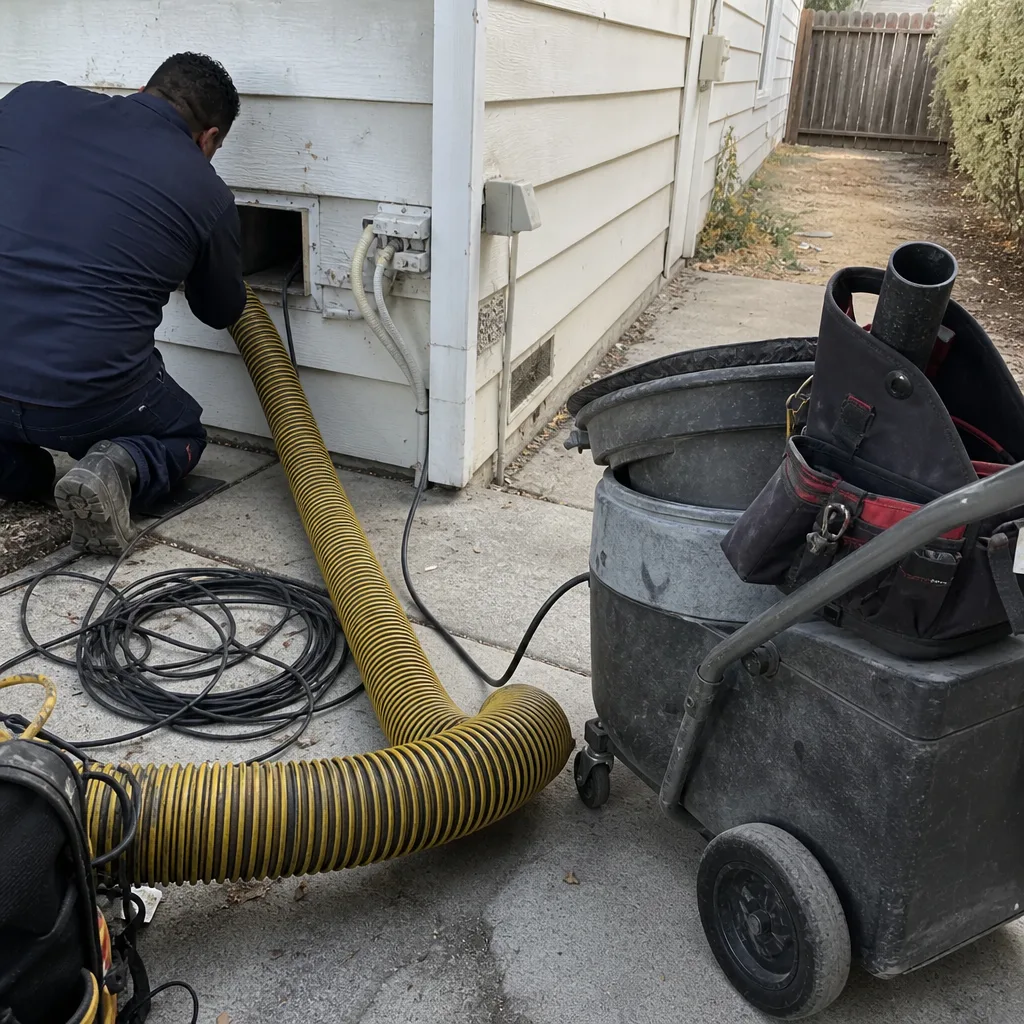 Before
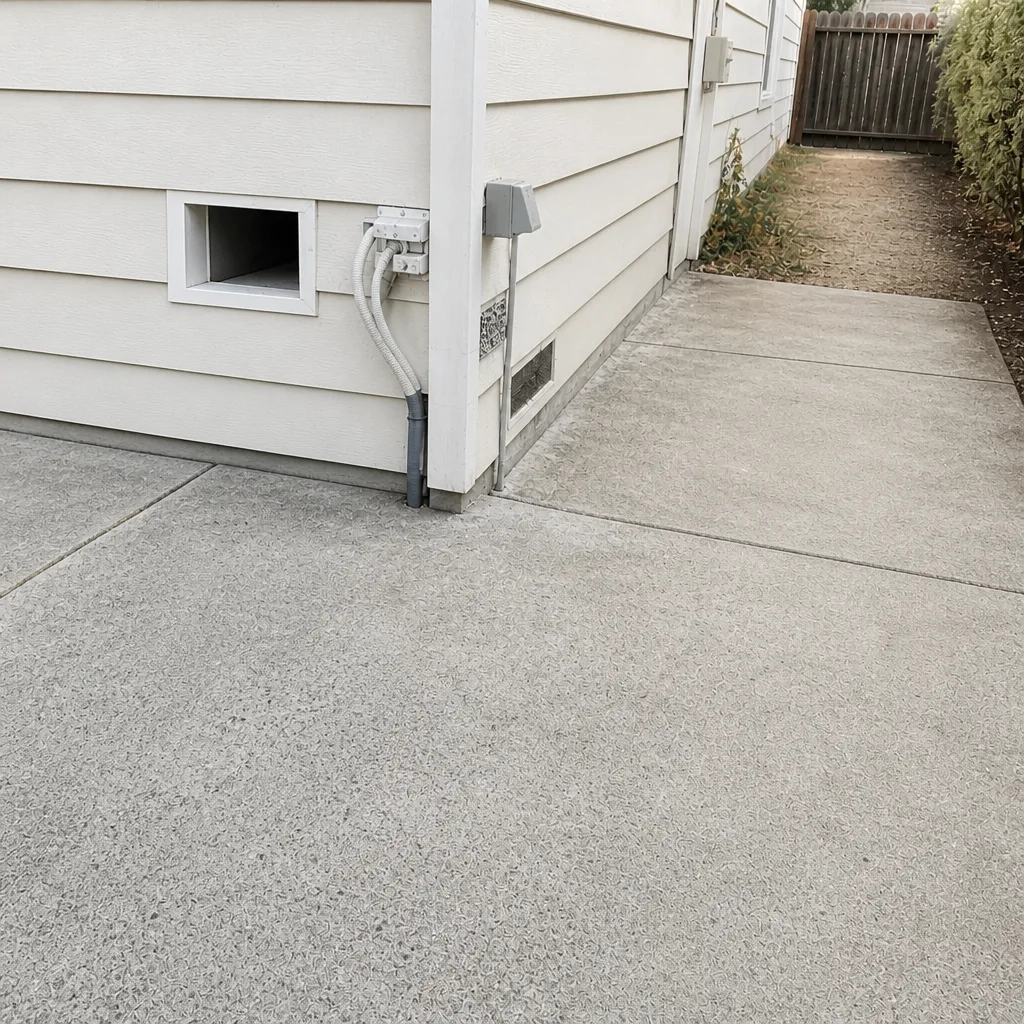 After
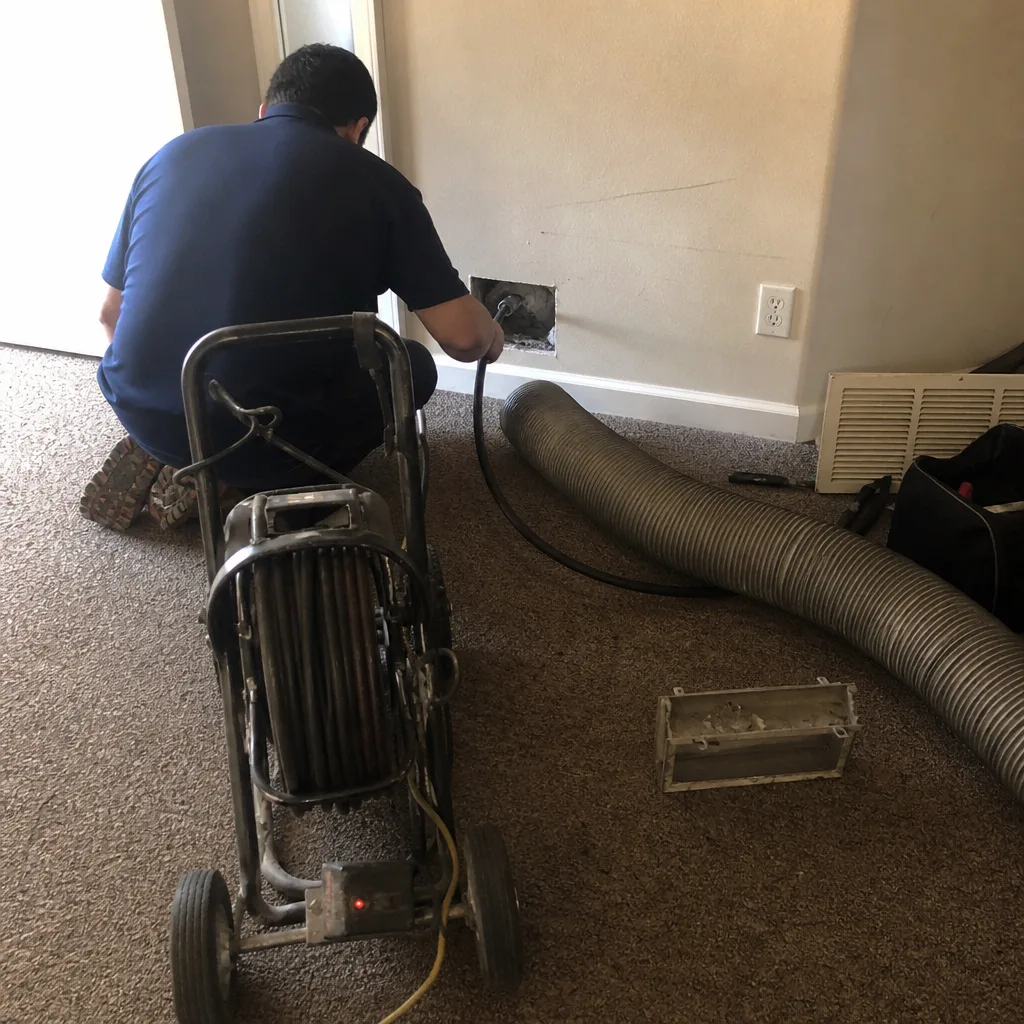 Before
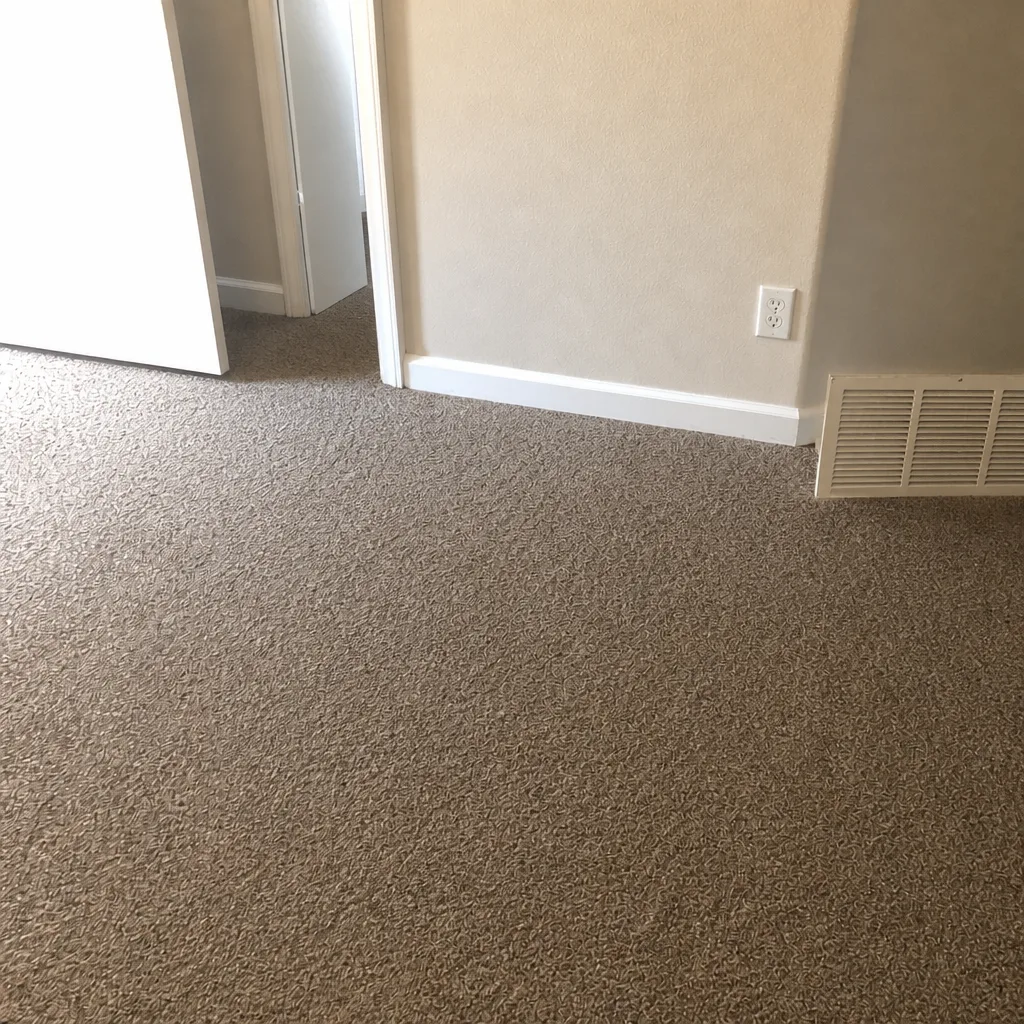 After
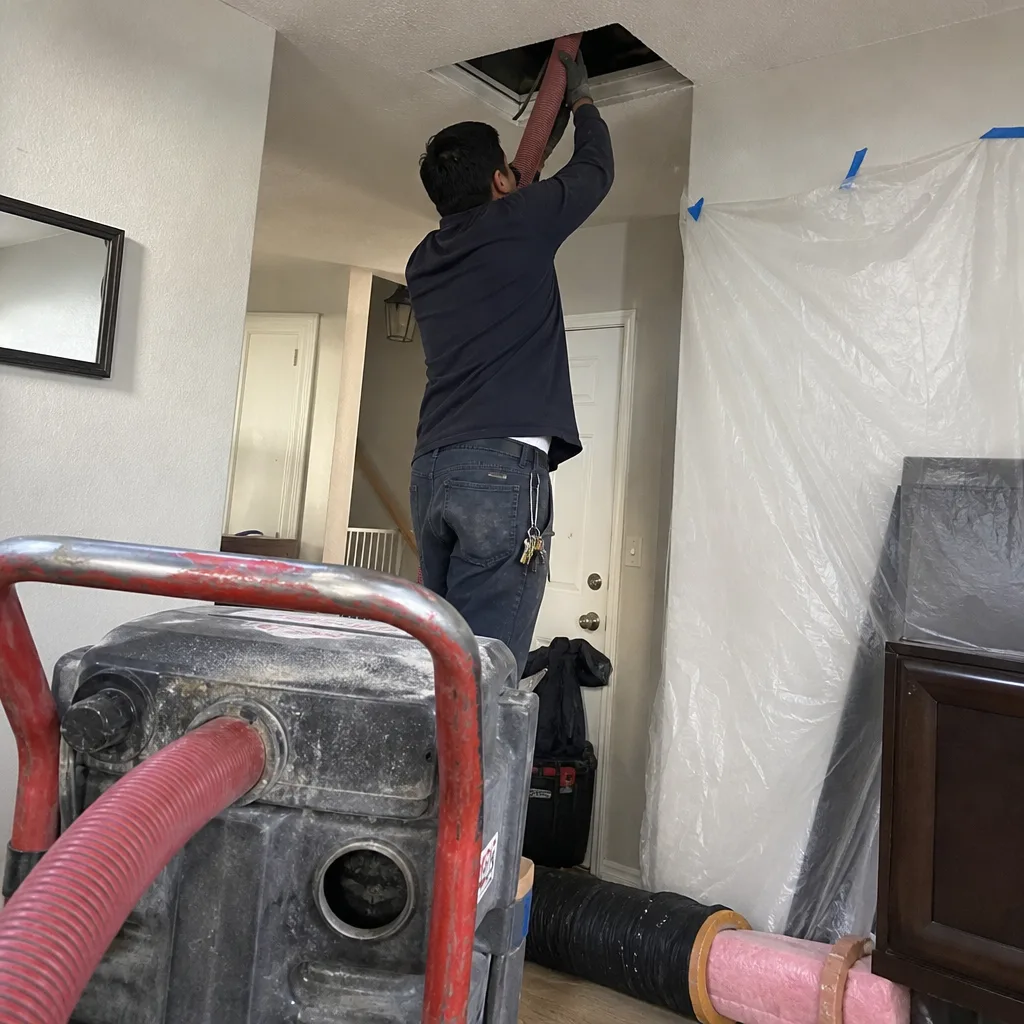 Before
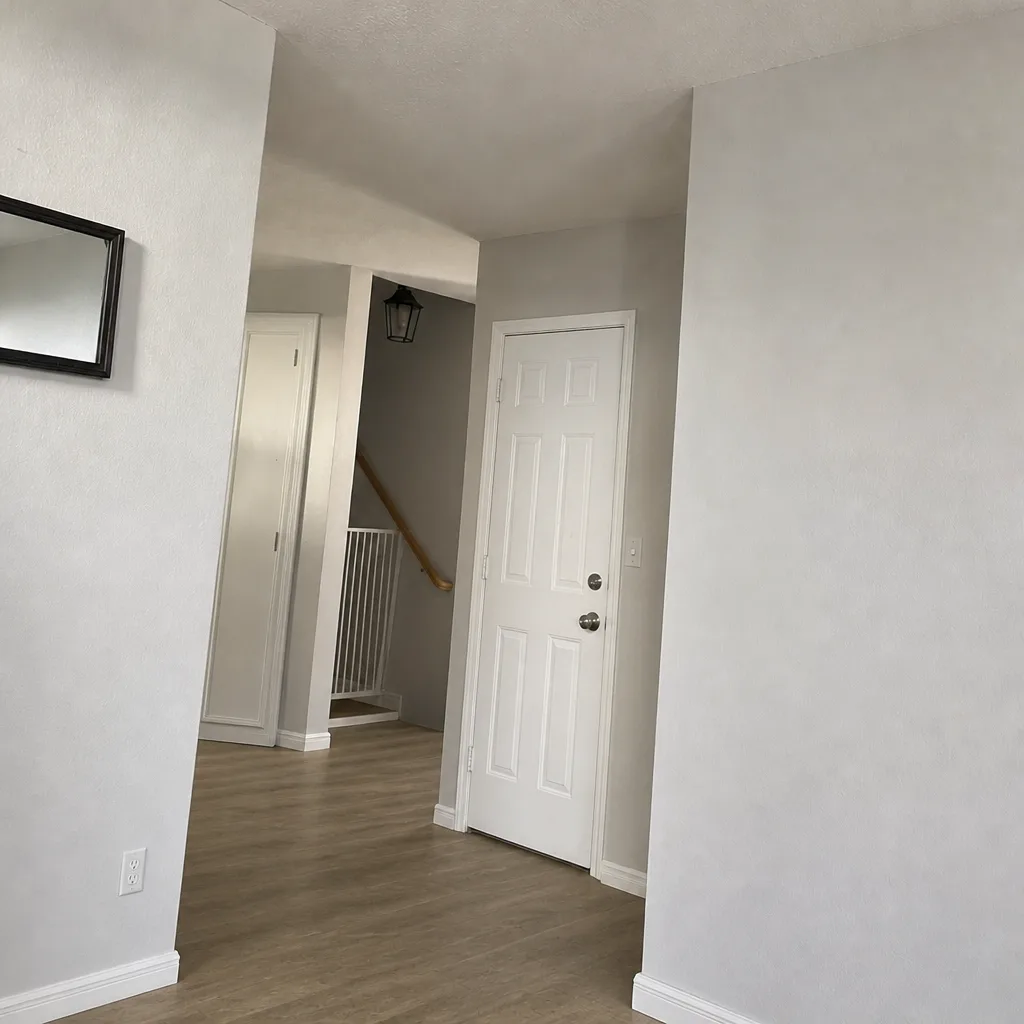 After
When to Call a Professional
Call a professional when you’re seeing debris fall from a register, notice a musty or dusty smell when the system kicks on, or you’ve just moved into a Tracy home and don’t know the duct history. Pet owners and households with allergy sufferers have a stronger reason to clean on a schedule, and homes that have just finished a remodel need a cleaning to clear construction dust before it drives deeper into the coil. Visible microbial growth or a crushed flex run means you need duct repair too, not just cleaning. Duct Cleaning Tracy offers free estimates in Tracy. Call (866) 429-7345 and we’ll set a time to walk the system with you.
Frequently Asked Questions
A standard 2,000-square-foot Tracy home with one HVAC system and moderate dust typically runs $350 to $650. Heavy contamination, a second system, or access cuts push the range toward $800 to $1,200, and dryer vent cleaning runs $120 to $250. Call (866) 429-7345 for an exact quote. Estimates are free.
Because they cover less of the job and add the rest on-site. A cheap quote often excludes the return side, access restoration, negative pressure, and disposal, and the technician charges for them once the truck is parked. Ask for an itemized scope breakdown before you compare prices, then compare like with like. Call (866) 429-7345 if you want a line-item quote to benchmark against.
Ask for before-and-after photos of your own ducts, not a generic set. A proper cleaning also has visible evidence at the access panels and a clear final walkthrough showing the cleaned sections. If the technician can’t show you what came out of your system, the job is incomplete.
Every three to five years is a reasonable baseline for most Tracy homes, and every two to three years if you have pets, allergies, or recent remodeling. Homes with visible debris at the registers need it sooner. The condition of the filter and the inside of the return plenum tell you more than a calendar. Call (866) 429-7345 and we’ll assess the system and give you an honest timing recommendation.
Yes, and for a specific reason. Tracy’s dry, dusty summers load HVAC filters and coil surfaces faster than a humid climate would, and each cleaning resets the system’s internal dust baseline. Combined with proper filtration, that reduces filter replacement frequency and keeps airflow closer to what the system was designed for.
Not always, but often enough to ask. Disconnected flex runs, crushed sections, and loose joints leak air before it reaches the register, which wastes conditioning and pulls dust from unconditioned spaces into the system. A technician walking the system should flag those as repair items. We clean it and fix it in the same visit when the repair is in scope, and we quote the repair separately so you can decide. Call (866) 429-7345 to book an inspection that covers both.
The Bottom Line
Duct cleaning prices in Tracy make sense once you break them into components. A full-system cleaning for a standard single-system home runs $350 to $650, and that number means main trunk, branch lines, return system, access restoration, disposal, and a final inspection. Anything far below that range is missing scope; anything far above needs a stated reason. Skip the teaser quotes and ask every company for the same line items, ask what equipment comes on-site, and ask to see photos of your own ducts before and after. With those three checks, the right quote is the one that matches on scope, not the one that prices lowest on a shell of the job.
Duct Cleaning Tracy cleans, repairs, and confirms the result in a single visit, using Rotobrush and Nikro commercial equipment and Abatement Technologies filtration for higher indoor-air-quality concerns. Our technicians have up to 8 years of experience. We answer 24/7. Fast dispatch from 7am to 7pm, Sunday through Friday. Call (866) 429-7345 to schedule a free estimate on your home in Tracy.
Written by the team at Duct Cleaning Tracy.